

Dodgers’ 2026 Roster Carousel: When Peak Performance Becomes a Surgical Ward
POLICY WIRE — Los Angeles, USA — The glamour of championship aspirations often blinds observers to the sheer physical brutality underlying professional sports. Here in sunny Southern California, amid...

POLICY WIRE — Los Angeles, USA — The glamour of championship aspirations often blinds observers to the sheer physical brutality underlying professional sports. Here in sunny Southern California, amid the usual fanfare, an unseen battlefield has been silently shaping the Los Angeles Dodgers 2026 campaign. It’s not rival teams causing the attrition, but the relentless demands of the game itself—a roster hemorrhaging healthy bodies at an alarming rate, forcing a cold calculation of human capital.
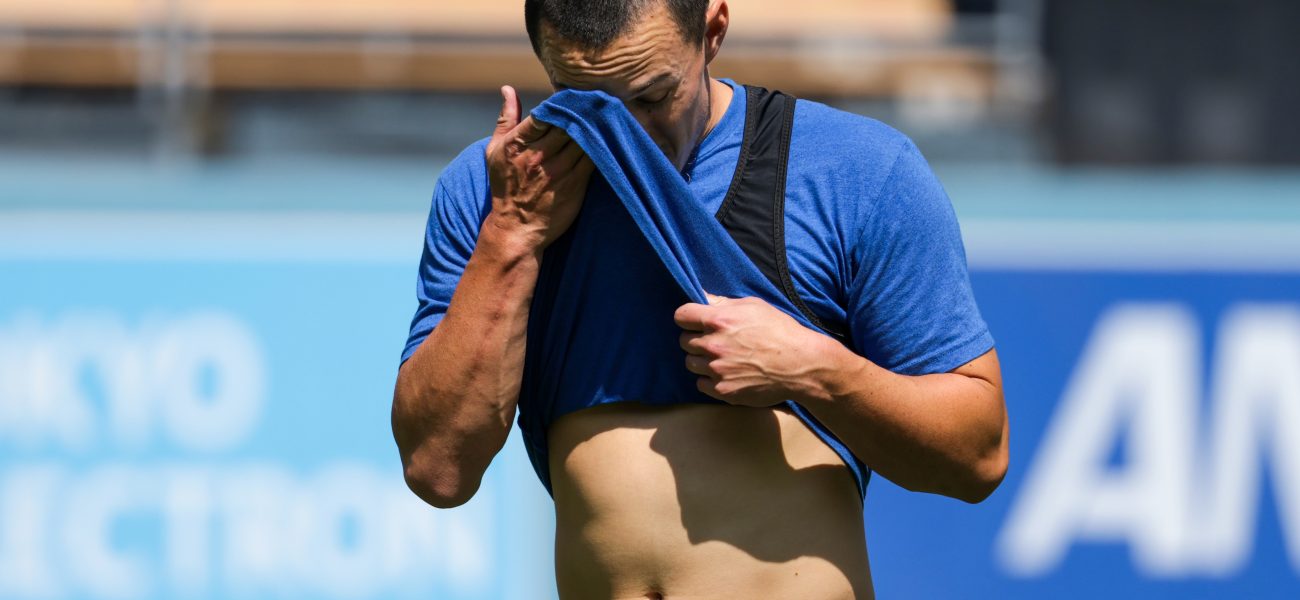
Take Tommy Edman, the infield/outfield utility man. He wasn’t celebrated for a clutch hit last month; no, his face appeared on the wire grimacing, a public relations snapshot from a different kind of frontline: the rehab field. Pictures like one from Getty Images on March 24 showed him sweating it out, trying to bounce back from an ankle injury, just one more body in an ever-growing tally of the sidelined. And that’s the reality for this titan of baseball – the 2026 season has quickly morphed into a medical ledger, a grim inventory of wear and tear, and unfortunate familial duties. [QUOTE_PLACEHOLDER]
It’s become apparent that the front office has essentially turned a portion of its operations into a full-time medical triage unit. They’re tracking not just the traditional injured list, but also paternity leave, bereavement leave, and the family medical emergency list. The fine print? If a player misses time — and a roster move is needed, it’s going on the docket. Because every absence, whether a broken bone or a baby, demands a slot to be filled. And this relentless churn isn’t new; during the 2025 season, 28 different Dodgers players spent time on the injured list. It matched the team total from 2024. But in 2023, the Dodgers saw 34 players miss time on the IL. A trend, then. A very expensive one.
So far this season, the casualties are mounting fast. On opening day, six more Dodgers were placed on the injured list. This included big names like Blake Snell, signed in the offseason for what felt like pocket change in baseball terms, and of course, Edman. Before that, in spring training, both Evan Phillips and Kiké Hernández found themselves relegated to the 60-day injured list. Such long-term stints opened up space on the 40-man roster for other moves – for new blood, for temporary fixes, for more medical forms. It’s an administrative nightmare, certainly, but a tactical tightrope walk for the team’s strategists, trying to keep a winning product on the field.
But the list goes on, a scroll of pulled muscles, weary joints, and surgical interventions: Tyler Glasnow with lower back spasms, Brock Stewart nursing a left foot bone spur, Jack Dreyer’s left shoulder discomfort. Brusdar Graterol, Gavin Stone, Bobby Miller, Landon Knack – all right-handed pitchers, all hit with various ailments from shoulder surgery to intercostal strain. Edwin Díaz even underwent arthroscopic elbow surgery. The sheer volume of injuries, the persistent cycle of players moving from active roster to various shades of recovery, suggests not just bad luck but perhaps a structural burden that’s taxing human bodies to their limits.
📄 POLICY WIRE WHITEPAPER PUBLISHED: PAKISTAN'S NATIONAL SECURITY POLICY PRIORITIES
👉 READ BY CLICKING HEREAnd it’s not always injury, either. Freddie Freeman was activated from paternity leave on April 21, having been placed on paternity leave on April 19 for the birth of his daughter. It’s a perfectly human reason for absence, yes, but still a ripple effect in the carefully constructed economic model of a sports franchise. Each missing body, regardless of reason, mandates a response, a swap, a strategic headache. It’s an annual reminder that the best-laid plans often unravel against the unpredictable backdrop of biological reality.
What This Means
The Dodgers’ unfolding narrative of injury and attrition isn’t just a sports footnote; it offers a chilling microcosm of human capital management, with clear political and economic parallels. Imagine a nation, or a critical industry sector, facing similar rates of unexpected workforce incapacitation. The financial implications are staggering: multi-million-dollar investments rendered unproductive, often for extended periods. Player salaries don’t simply vanish with a torn rotator cuff; they become sunk costs, requiring further investment in replacements—a true market inefficiency. This scenario forces organizations, whether baseball clubs or developing economies, to constantly evaluate their talent pipelines and crisis response mechanisms. Because when star players are perpetually in and out of commission, the consistency, and therefore the perceived stability, of the entire enterprise takes a hit. It’s about more than wins — and losses; it’s about brand value, investor confidence, and long-term sustainability. The unpredictability creates significant volatility, echoing the challenges faced by many developing regions in managing their most skilled workers.
For countries like Pakistan, for example, the analogy is striking. A sudden, unexpected drain of skilled labor – whether through migration, economic hardship, or geopolitical factors – can create similar ripple effects. The sustained loss of key talent affects productivity, stifles innovation, and burdens public services that rely on a stable workforce. What’s more, the pressure to find rapid replacements or workarounds can lead to sub-optimal choices, much like a team rushing a minor league call-up before he’s truly ready. It’s a global pattern: the fragility of highly specialized human capital. The system—be it a baseball league or a national economy—is designed to perform at peak, but that very design often pushes its most valuable assets to, and past, their breaking point. That’s a lesson applicable far beyond the foul lines of Dodger Stadium, a lesson in resilience against the inevitable, in managing human systems when every link is, itself, fragile. See also: Quiet Purge Echoes: Pakistani Lives Upended in Gulf’s Shadow Play.