


IPL Playoffs: Where Legends Are Forged and Fortunes Flicker
POLICY WIRE — Mumbai, India — Forget the glittering league stage, all those meaningless statistical aggregates that blur into an endless highlight reel. Because the Indian Premier League’s real...

POLICY WIRE — Mumbai, India — Forget the glittering league stage, all those meaningless statistical aggregates that blur into an endless highlight reel. Because the Indian Premier League’s real crucible isn’t about endurance; it’s about raw, unadulterated performance when the lights burn brightest and the margin for error evaporates. We’re talking playoffs, mate—that brutal, beautiful distillation of a grueling season where fortunes are made or unmade, sometimes in a single ill-judged swing.
It’s here, in these sudden-death showdowns, that legacies genuinely take shape, carving some players into eternal icons and others into footnotes. Sure, we’ve got your headline names—your Virats, your Gills—dominating regular season charts. But the true measure of a cricketing colossus, it turns out, lives within those finite, electrifying hours when a championship hangs precariously in the balance. It’s where the narrative of ‘Mr. IPL’ truly came alive, for example.
And boy, do those narratives often buck the trend. Consider Suresh Raina. While today’s youngsters might drool over T20 gladiators smashing boundaries every other ball, Raina, the left-handed maestro often dubbed ‘Mr. Playoff’, consistently delivered. He amassed an astounding 714 runs in just 24 playoff matches, striking at an aggressive 155.21, a hard statistic backed by official league records, putting him head and shoulders above many celebrated contemporaries. He just showed up, year after year, — and got the job done. That’s a habit many struggle to cultivate.
His sheer consistency underscores a simple truth in high-pressure sport: some folks just thrive on the edge. Contrast that with RCB icon Virat Kohli, the league’s all-time run-scorer. In 17 playoff games, Kohli’s struggled, averaging just 396 runs with only two scores above fifty. It’s a stark reminder that even the greats can stumble when the psychological stakes are stratospheric. But then you look at Shubman Gill, a youngster with a terrifying appetite for these moments, boasting 475 runs in just 11 playoff appearances at an impressive average of 47.5.
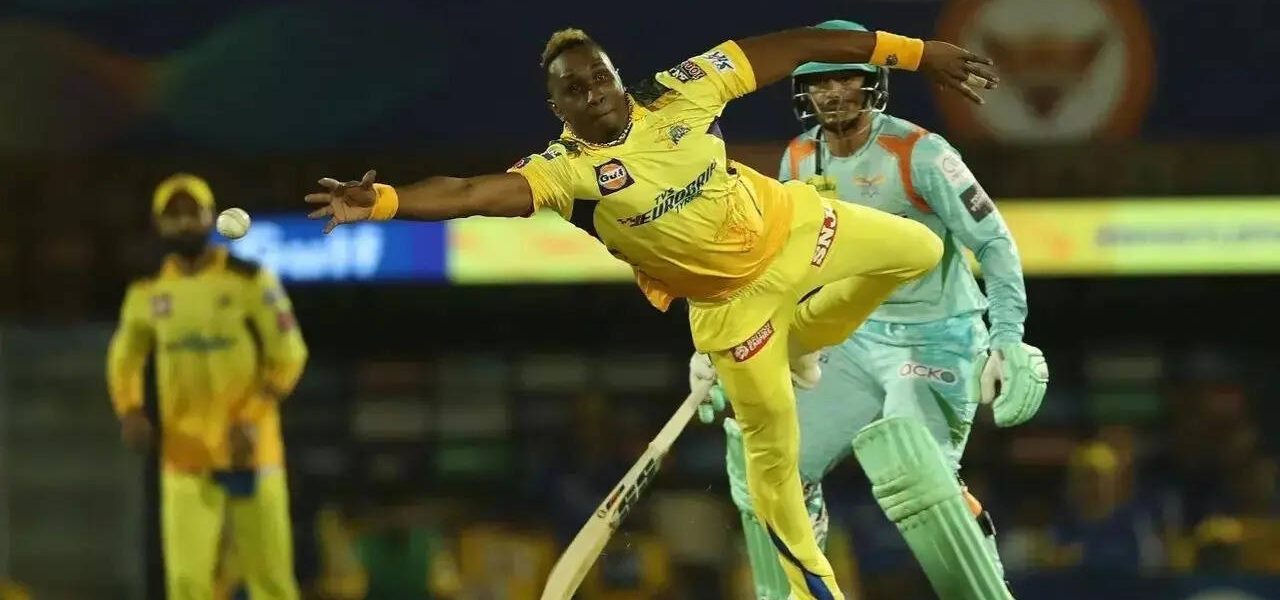
Then there’s the art of dismissal, where bowlers turn the tide with surgical precision. Dwayne Bravo, the Caribbean veteran, reigns supreme, with 28 wickets across 19 playoff fixtures. But, what’s even more compelling is how much fresher names are muscling their way in. Mohit Sharma, with his deceptive change-ups, grabbed 20 wickets in a mere 10 playoff matches, proving that sheer force isn’t the only way to scalp breakthroughs. It’s often the clever ones, you know? The ones who understand the mind game as well as the delivery stride.
The scale of this operation isn’t lost on the powers that be. “Billions hang on these games. It isn’t just sport; it’s a spectacle, an economic engine for the whole subcontinent and beyond,” noted one senior league executive, speaking on background. “Every boundary, every wicket—it translates directly to shareholder value, global eyeballs. We can’t afford a dull moment, — and honestly, the players know it.”
📄 POLICY WIRE WHITEPAPER PUBLISHED: PAKISTAN'S NATIONAL SECURITY POLICY PRIORITIES
👉 READ BY CLICKING HEREThe strategic depths these games plunge to can be mind-boggling. Look, pressure’s just something you apply to yourself. You gotta block out the noise and focus on the ball, innit?
legendary captain MS Dhoni once observed, perfectly encapsulating the cold calculus required. It’s about showing up when it really matters, no matter what numbers say beforehand.
His words still echo, especially as younger captains step into those impossibly large boots.
What This Means
These records, seemingly just cricketing trivia, are actually a micro-level reflection of South Asia’s economic engine in full roar. The IPL, for all its flash, is a hyper-capitalized, results-driven enterprise, deeply woven into the subcontinent’s cultural fabric. The sheer volume of viewership from Pakistan, Bangladesh, and other Muslim-majority nations in the region and Middle East—despite the geopolitical headwinds sometimes buffeting sports ties—illustrates a shared passion that transcends borders. This shared consumption fuels an advertising juggernaut and media empire, shaping consumer behavior and youth aspirations.
It’s not just about sport; it’s an economic playbook writ large. Think about the massive infrastructure investments, the marketing spend, the ripple effect on local economies in host cities. For the millions glued to their screens from Karachi to Dhaka, these aren’t merely cricket matches; they’re moments of collective identity, a modern gladiatorial arena where raw talent meets unparalleled pressure. And because the IPL has become such a global, aspirational brand for athletes from across the cricketing world, its influence on smaller, emerging leagues across South Asia is profound. They watch, they learn, they emulate the money — and the passion.
The intense spotlight on individual playoff performances mirrors the unforgiving, cut-throat global market, where only the most adaptable and high-performing truly prosper. It’s an economic playbook, demonstrating how calculated risk and star power can create a self-sustaining financial behemoth that shows no sign of slowing down. Those ‘clutch’ performances aren’t just great cricket; they’re the embodiment of capital gains.