


The Engine Stalls: Wolfsburg’s Plunge Tests Germany’s Corporate Football Model
POLICY WIRE — Wolfsburg, Germany — The metallic sheen of a once-unshakeable industrial partnership now looks a bit tarnished. After 29 uninterrupted seasons mingling with Germany’s elite, VfL...

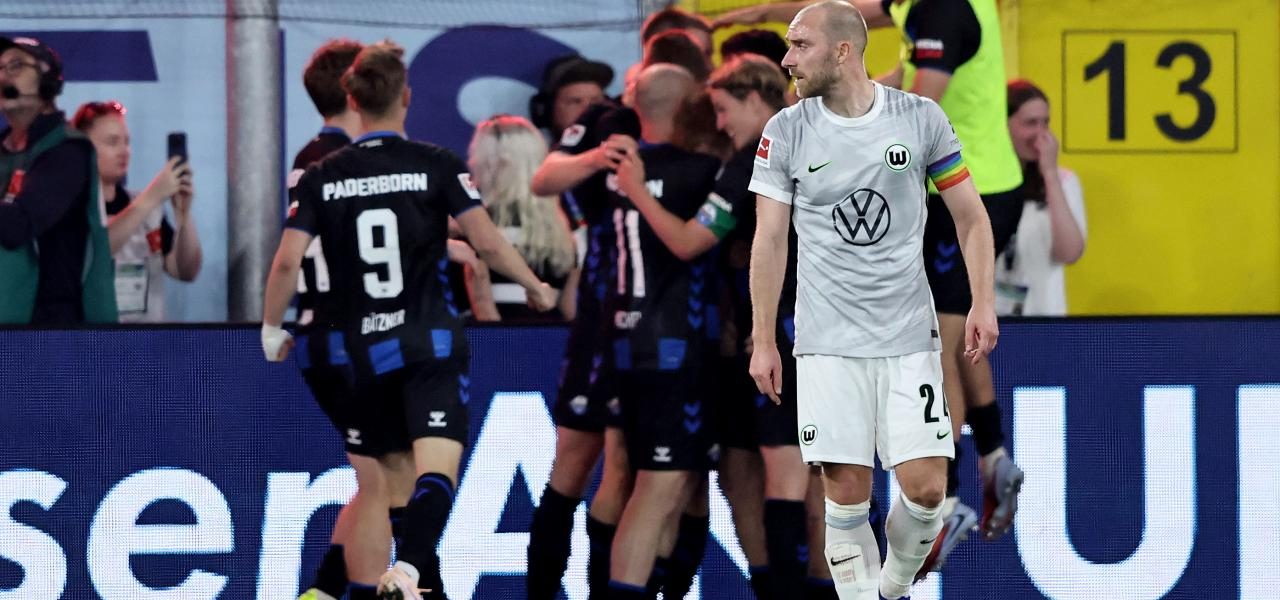
POLICY WIRE — Wolfsburg, Germany — The metallic sheen of a once-unshakeable industrial partnership now looks a bit tarnished. After 29 uninterrupted seasons mingling with Germany’s elite, VfL Wolfsburg — the club inextricably linked to the mighty Volkswagen — plummeted from the Bundesliga following a brutal 2-1 playoff loss to SC Paderborn. It’s more than just a sports upset; it’s a cold dose of reality for a business model built on corporate largesse.
It’s a jolt to the system, truly. Because, for decades, the German industrial giants haven’t just sponsored their local teams; they’ve been them, woven into the fabric of regional identity. This relegation, the club’s first ever, exposes the frayed edges of that arrangement, especially when the corporate purse strings begin to tighten.
Just months ago, Volkswagen CEO Oliver Blume had already signalled a coming storm. His pronouncement in March was blunt: the automaker would “put under review” its investment in VfL Wolfsburg, citing a dismal season and, more tellingly, the car manufacturer’s own tricky financial landscape. Now, with the trapdoor swung wide open, that review is set to become a full-blown reckoning. “Look, hard decisions sometimes make for clean-sheet balance sheets,” Blume reportedly stated in an internal briefing (sources suggest, off the record). “Our commitment is to sound financial management first, then sport. You understand. This isn’t about passion alone; it’s about pragmatism in challenging economic currents.”
A full-scale reevaluation looms, but time, as always, is a luxury they don’t have. Decision-makers must scramble to answer tough questions while staring down an impending transfer window that’s likely to resemble a fire sale. The squad, as everyone knows, is due for a thorough gutting. Most contracts, granted, remain technically valid for the 2. Bundesliga, — and relegation clauses are set to lop a hefty 35 percent off many players’ salaries. But that’s still not enough. Many, despite the pay cut, simply won’t fit the budget — even if they harbored any romantic notions of staying put.
You can bet household names like Mohamed Amoura, Konstantinos Koulierakis, and Christian Eriksen are already polishing their resumes. The squad’s budget, an earlier figure of €80 million, is slated to shrink dramatically to around €55 million for the upcoming second-tier campaign. That’s a staggering 31 percent cut, almost a third of the club’s operational playing power, a major restructuring unseen in some other top-tier clubs struggling with financial realities.
And it’s not just the players; the technical staff carousel keeps spinning. Dieter Hecking, who stepped in as interim coach back in March, finds his future in a limbo. Will he stay? Will he move into the vacant sporting managing director role, a position that’s been a hot potato since Peter Christiansen was shown the door around the same time? Nobody’s saying. Hecking himself, in an interview with Sky, acknowledged the weight of the moment: “It’s a bitter pill, no two ways about it. But sentiment won’t pay the bills in the 2. Bundesliga, will it? We’ve got to be real about what’s coming. We’ve got to let it all sink in.” That’s a man whose job prospects just took an unceremonious dive.
📄 POLICY WIRE WHITEPAPER PUBLISHED: PAKISTAN'S NATIONAL SECURITY POLICY PRIORITIES
👉 READ BY CLICKING HERESo, a rather busy — and deeply uncertain summer stretches before VfL Wolfsburg. It’s less about a football club and more about a corporate entity being forced to realign its priorities — and perhaps shed some sentimental ballast — in an unforgiving marketplace. And they’re not alone. Many clubs across Europe are facing similar crunch points.
What This Means
VfL Wolfsburg’s unexpected descent holds uncomfortable lessons for the broader landscape of corporate-backed sports. In Germany, where clubs often represent city or regional industrial powerhouses, this relegation spotlights the increasing fragility of those symbiotic relationships when the parent company faces headwinds. Volkswagen, much like other major manufacturers, has been navigating tricky waters: global supply chain disruptions, the costly pivot to electric vehicles, and increased market competition. It’s no longer just about supporting the local team; it’s about shareholder value, even if that means abandoning a decades-old sporting tradition.
Economically, Wolfsburg’s relegation means fewer high-profile games, reduced TV revenues, and less overall economic activity for the city. For players, especially those from outside Europe (say, promising talents from West Asian or South Asian leagues who might eye Germany as a step up), such instability sends a chill. Why commit to a German club when its primary backer signals caution, especially when more lucrative opportunities, often state-backed, are flourishing in the Gulf or emerging leagues in places like Saudi Arabia and even the burgeoning IPL? The movement of talent follows the money, always has. Politically, local authorities might now have to contend with a demoralized populace and potentially less brand visibility for their region, traditionally tied to the success of both the car plant and the football pitch. It’s a policy conundrum for politicians keen to maintain local morale — and economic vigor.