



Europe’s Leisure Under Siege: Early Scorcher Turns Recreation Lethal, Officials Caught Flat-Footed
POLICY WIRE — Paris, France — They weren’t building bridges or fighting wars. These folks were out for a run, a bicycle jaunt, maybe a bit of Sunday football. Just everyday Europeans, enjoying...

POLICY WIRE — Paris, France — They weren’t building bridges or fighting wars. These folks were out for a run, a bicycle jaunt, maybe a bit of Sunday football. Just everyday Europeans, enjoying the crisp (or what used to be crisp) spring air. And then they dropped. Suddenly. A series of baffling, brutal collapses on sports fields and cycling paths across the continent have yanked Europe’s attention away from its usual springtime distractions, slamming it hard into a grim reality: an early, unforgiving heatwave. It’s not supposed to be like this in May, not usually. But here we’re, watching joggers become casualties.
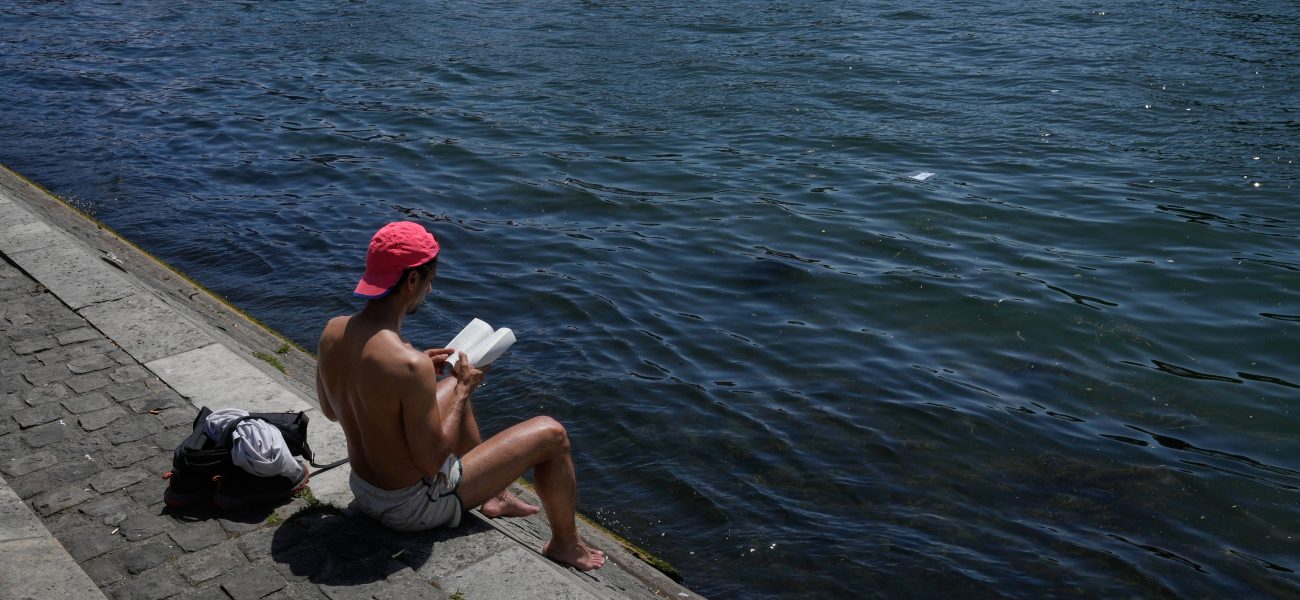
The mercury didn’t just climb; it spiked, shattered long-standing records from Athens to Amsterdam. We’re talking 35 degrees Celsius (95 Fahrenheit) in some spots, temperatures more fitting for mid-August than late spring. Officials, you’d think, would be primed for this after years of climate warnings. Yet, it feels like they’ve been caught napping, issuing advisories that, frankly, sounded a bit too much like nagging—drink water, stay inside. The deaths? A sobering, public indictment of a continent maybe a tad too comfortable in its perceived climate resilience.
“We’re witnessing a stark shift in seasonal norms, — and it’s no longer an abstract threat,” bemoaned Dr. Eleonora Ricci, the Italian Health Minister, in a rather subdued press conference. “This isn’t just about July — and August anymore; it’s creeping into our spring. People don’t adjust fast enough. They simply don’t realize the danger until it’s too late. It’s an invisible killer, and we need better early warning systems, frankly, for ourselves, not just for the vulnerable.” She wasn’t wrong. Because you can’t see dehydration coming for you until you’re on the turf, gasping.
For decades, many European nations have prided themselves on their relatively moderate climate, even as regions in the Global South grappled with extreme conditions. But those comfortable days? They’re gone. And the impact isn’t just felt by weekend warriors. Agricultural output, urban infrastructure, — and even power grids are under increasing stress. According to the Copernicus Climate Change Service, May 2024 was globally the warmest May on record, extending a nearly year-long streak of unprecedented monthly heat. This isn’t just an anomaly; it’s the new baseline, whether we like it or not.
“The cost of inaction, or perhaps I should say the cost of hesitant action, is literally being measured in lives,” remarked Jean-Luc Dubois, EU Commissioner for Climate Action, his voice strained during a Brussels briefing. “We talk about economic disruption, about sea levels, about biodiversity loss—and those are dire. But when our citizens are collapsing on public greenspaces, it adds an urgent, human face to a crisis that too many still perceive as distant.” His exasperation was palpable. And he has a point, doesn’t he? It’s harder to ignore a problem when it hits close to home, in the most tragic way possible.
But while Europe frets about its early summer, nations further afield are wrestling with conditions that make these European records look almost mild. Think of the baked landscapes of Pakistan or India, where 50-degree Celsius days are not unheard of, and where daily labor, not recreational sport, exposes millions to deadly heat. Their economies, already strained, buckle under such pressure, affecting everything from crop yields to public health services. They’ve lived with this reality—this constant, existential threat of an unforgiving sun—for much longer, often with fewer resources and far less international fanfare than a European heatwave might garner. One could argue, quite reasonably, that Europe’s current woes offer a grim preview of global climate disparities, and perhaps a sobering lesson in what awaits a population unprepared for truly harsh realities.
What This Means
This early-season death toll is more than just a tragic statistic; it’s a profound political and economic wake-up call for Europe. Economically, the impact will reverberate beyond just air conditioning sales. Labor productivity will drop, particularly in sectors requiring outdoor work. Health systems will strain under increased heat-related hospitalizations. Socially, it fuels anxiety and could prompt calls for more radical climate action—or, conversely, spark resentment over lifestyle impositions. Politically, leaders who downplay climate risks might find their positions eroding. Citizens, seeing immediate personal danger, tend to become far less tolerant of governmental inertia. The continent isn’t just warming; its fundamental relationship with its environment, its leisure, and its governance is shifting. It’s a bitter taste of future normal, served up with fatal consequences on an ordinary afternoon in May. And it shows that climate adaptation isn’t just about grand infrastructure projects; it’s about acknowledging fundamental shifts in how life gets lived.

