


Hoops Hard Truth: NBA’s Mercenary Core Shakes Loyalty Myth
POLICY WIRE — New York, USA — The romantic ideal of sporting fealty, the notion of players donning one jersey for life, is by now largely a relic—a sepia-toned memory from a less monetized epoch....

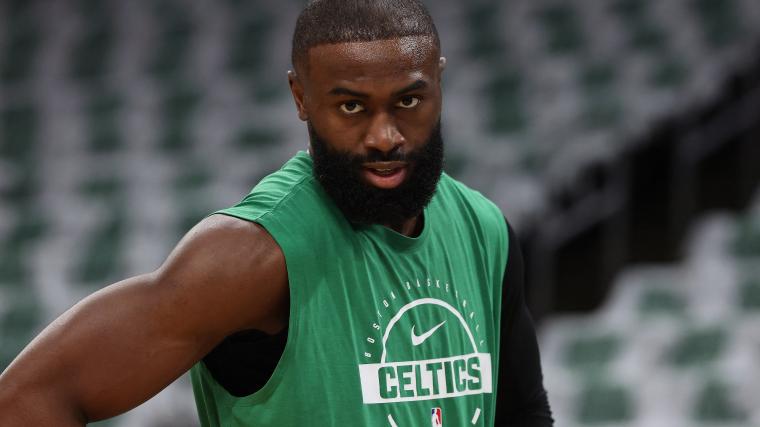
POLICY WIRE — New York, USA — The romantic ideal of sporting fealty, the notion of players donning one jersey for life, is by now largely a relic—a sepia-toned memory from a less monetized epoch. Today’s professional athlete navigates a ruthless, multi-billion-dollar labyrinth where allegiances are transactional and sentiment a dangerous indulgence. That stark reality was recently laid bare by NBA star Jaylen Brown, whose off-the-cuff remarks, following a trade from the Boston Celtics to the Philadelphia 76ers, inadvertently pulled back the curtain on the cold, hard logic governing elite sports.
It’s an inconvenient truth for fans, perhaps, but one Brown seems to have grasped with palpable frustration. His comments, delivered during a live stream conversation with online personality IShowSpeed as France faced Morocco, weren’t a plea for sympathy. They were a visceral, unfiltered glimpse into the dispassionate mechanism of asset management that underpins modern professional basketball. “It’s a crazy business bro,” Brown stated, a sentiment echoing a million cubicles and factory floors, not just polished hardwoods. But then, the blunt instruction: “Don’t ever become a basketball player.” And just like that, the veneer of boyhood dreams dissolved into the pragmatism of adult life.
Why such a stark warning? “There’s no loyalty,” Brown lamented, distilling centuries of labor market evolution into a five-word declaration. He felt he got “packed up.” They literally “packed me up,” he continued, painting a picture less of an elite athlete being compensated for unique skill, and more of a chattel moved on an invisible ledger. And that particular phrase — packed up — carries a certain gritty weight, doesn’t it? It strips away the glamor, replacing it with the almost brutal efficiency of a warehouse operation. This isn’t just about an athlete being traded; it’s about a commodity being re-routed.
To be clear, Brown’s departure from Boston wasn’t entirely unexpected for those tracking the ceaseless churn of league gossip. But the raw tone of his public reaction suggests a fundamental dissonance between the perceived adoration from a fanbase and the unsentimental balance sheets of ownership. Brown, after all, had won the Finals MVP for the Celtics just a couple of seasons prior, beating out even Jayson Tatum. Yet, such accolades evidently offer no indemnity against the whims of the front office. He’d been shopped around for other stars — Giannis Antetokounmpo, then Paul George — the kind of maneuvers that make any employee wonder about their true value to an organization, regardless of past performance.
But the irony, — and perhaps the deep-seated resentment Brown vocalized, lay in the particulars of the deal. His trade brought back an aging player, [QUOTE_PLACEHOLDER] described as at best a poor man’s version of Brown, along with a collection of draft assets. The messaging, subtle but pointed, seems to have resonated deeply. The business, after all, isn’t about fair trades; it’s about perceived value and future prospects.
This whole episode — a prominent athlete publicly airing grievances about loyalty — isn’t an isolated incident. It’s a recurring drumbeat in the grand symphony of modern sports, where astronomical salaries meet corporate ruthlessness. And it’s a stark reminder that despite their athletic prowess, stars are, for all intents — and purposes, employees. For perspective, the average NBA team was valued at approximately $3.85 billion in 2023, according to Forbes, underscoring the massive financial stakes that eclipse any individual player’s sentiment.
📄 POLICY WIRE WHITEPAPER PUBLISHED: PAKISTAN'S NATIONAL SECURITY POLICY PRIORITIES
👉 READ BY CLICKING HEREWhat This Means
This incident transcends the realm of sports and seeps into broader political and economic discourse, illuminating the increasingly casualized nature of global labor markets, even at the highest echelons. What Jaylen Brown articulates with such personal exasperation is, in essence, the very modern dilemma of capital versus labor, magnified a thousand-fold by celebrity. Owners, regardless of industry, consistently prioritize return on investment and long-term organizational health over individual emotional ties or past contributions. This isn’t malice; it’s economic rationale.
Because the fundamental lack of loyalty isn’t unique to basketball players in Boston. This cold, transactional mindset governs the movement of skilled laborers, expatriate workers, and intellectual capital across continents, from Silicon Valley to the industrial zones of Karachi. In regions like South Asia, where economic necessities often compel individuals to migrate for work, being “packed up” and moved — often thousands of miles from home and family, with little say in the matter — is a common, often traumatic, experience. The ideals of communal loyalty, traditionally valued in societies like Pakistan or India, frequently clash with the brutal, pragmatic demands of a globalized economy that values efficiency over attachment. It’s a sentiment Brown might not consciously relate to the experiences of a textile worker in Faisalabad, but the underlying dynamic of expendability resonates universally.
This dynamic also has implications for civic pride — and fan engagement. When loyalty is a one-way street, perpetually flowing from the consumer to the corporation, the public begins to perceive sports franchises less as civic institutions and more as detached business entities. And that perception, over time, corrodes the very fabric of local attachment, which is what gives these teams their cultural weight, ultimately impacting the economic ecosystem that sustains them. Brown’s blunt assessment, therefore, isn’t just about him. It’s a potent, if accidental, indictment of how deeply the profit motive has reshaped every corner of public life, sports included.