

The Enduring Grind: Cricket’s Old Guard Navigates IPL’s Relentless Machine
POLICY WIRE — Kolkata, India — The final whistle—or, rather, the last contested run—of another Indian Premier League season rarely signifies a quiet close. Instead, it just kicks off a different kind...

POLICY WIRE — Kolkata, India — The final whistle—or, rather, the last contested run—of another Indian Premier League season rarely signifies a quiet close. Instead, it just kicks off a different kind of scramble: the post-mortem. This year, for the Kolkata Knight Riders (KKR), that means a lot of soul-searching, not just for the team’s balance sheet, but for its battered morale. Skipper Ajinkya Rahane, an elder statesman in this high-octane spectacle, isn’t planning on a yacht in the Caribbean, though. He’s heading back to Mumbai’s dusty local pitches—a telling sign about where a true player finds solace, far from the multi-million dollar glamour.
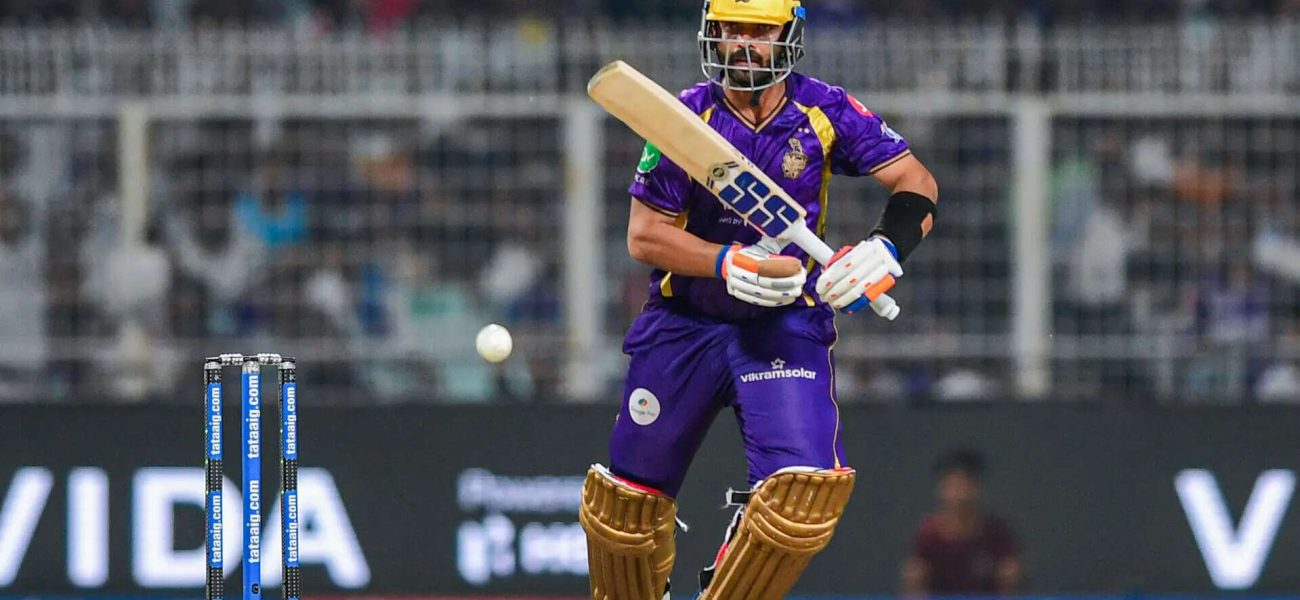
It’s easy to dismiss a seventh-place finish as merely a commercial setback, another brand falling short of market expectations. But for these athletes, especially a player like Rahane who’s seen more winters in whites than most, it’s a raw personal calculus. He clocked a valiant 63 off 39 deliveries in KKR’s final, losing effort against Delhi, an innings that felt less like a surge towards victory and more like a stubborn, solitary stand. The opposition, of course, cared little for such heroics, sending KKR home with a 40-run walloping.
“Look, the pitch, it was playing tricks early on,” Rahane reportedly grumbled after the match, his exhaustion barely masked, his voice etched with that peculiar blend of resignation and pride that only a true competitor can muster. “I was set, though. Someone had to stand up, right? Just keep that scoreboard ticking, grab singles where you could—a real war of attrition out there.” That’s the essence of an IPL slog; every single run, every defended delivery, carries a weight that can only be understood by those who’ve weathered the storm inside the rope. It wasn’t about flashy fireworks. It was about grinding it out. And they just couldn’t grind enough.
Because that’s how this tournament works. It devours teams that aren’t consistently sharp, mercilessly. KKR’s journey this season was a microcosm of the entire IPL saga: flashes of brilliance, stretches of despair. After six games, they looked dead in the water, only to pull themselves back into contention, briefly rekindling hope amongst a notoriously fickle fanbase. Their late run of form—a genuine show of guts, frankly—demonstrated character, as Rahane readily pointed out. But a glimmer wasn’t enough to secure a playoff berth; Rajasthan Royals had already slammed that door shut earlier in the day.
📄 POLICY WIRE WHITEPAPER PUBLISHED: PAKISTAN'S NATIONAL SECURITY POLICY PRIORITIES
👉 READ BY CLICKING HEREThe money here, it’s dizzying. A recent Forbes report placed the IPL’s brand valuation at a staggering $10.7 billion in 2022. This isn’t just about cricket anymore; it’s a colossal economic engine, particularly influential across South Asia. Even in nations like Pakistan, where players can’t officially participate due to geopolitical tensions, the IPL’s influence resonates—fans watching illicit streams, debating team strategies, comparing it endlessly to their own fledgling league. This financial juggernaut, fuelled by billions of eyes and advertising dollars, creates immense pressure, on teams and individuals, to perform. Not performing, in this context, has very real, cold consequences beyond just ego.
KKR’s owner group, like all franchise owners, lives — and breathes by that valuation. “We invest heavily in this franchise, not just financially, but emotionally,” Venky Mysore, KKR’s CEO, was overheard saying to a sponsor earlier in the season, during a slightly calmer patch. “The market expects success. But the integrity of effort, the fight our lads show—that’s what keeps the ecosystem humming, even when the scoreboard disappoints. We’ll be back. You always come back in this game.” He’s not wrong. The wheel keeps turning, the auctioneer’s gavel waits. For the old guard, for Rahane, it means finding the joy again in smaller contests. But it’s also a stark reminder that even the biggest stars operate within a massive commercial framework, beholden to more than just the game.
What This Means
This episode for KKR and Rahane illustrates the complex interplay between sports performance, economic realities, and national sentiment in South Asia. On one hand, KKR’s failure to qualify, despite their late fight, can translate into measurable financial setbacks. Less playoff exposure means reduced advertising revenue, potentially depressed merchandise sales, and even a softening of their overall brand equity—though the loyalty of Indian cricket fans usually cushions such blows. But for a country that prides itself on cricketing prowess, a major team’s early exit can ripple through fan engagement and future viewership numbers, influencing crucial sponsorship deals. It’s not just a sport; it’s a barometer of national mood — and a major economic contributor. The narrative of resilience, however, even in defeat, becomes a marketing commodity itself, a way for franchises to mitigate the sting and keep the fan base invested. Rahane’s personal decision to return to local cricket also underscores a broader, cultural distinction in sports professionalism: the quiet pursuit of the game for its own sake, far from the glare of satellite channels, serving as a vital counterpoint to the league’s hyper-commercialized grandeur. The game, for some, remains fundamentally about hitting a ball, not hitting quarterly targets. This dichotomy — global spectacle vs. local passion — defines much of cricket’s soul, particularly in India.
📖 GET YOUR FREE COPY NOW OF POLICY WIRE DIGITAL MAGAZINE JULY 2026 EDITION
👉 READ & DOWNLOAD FREE MAGAZINE