


The Infinite Game: Dodgers on the Diamond, Digital Empires on the Rise
POLICY WIRE — Washington, D.C. — They play 162 games, a dizzying calendar stretch that, by sheer repetition, can drain the spectacle from even the grandest athletic feats. But for every two-run...

POLICY WIRE — Washington, D.C. — They play 162 games, a dizzying calendar stretch that, by sheer repetition, can drain the spectacle from even the grandest athletic feats. But for every two-run single slicing through an infield, every pitcher’s duel unfolding on a Midwestern mound, there’s an entire ecosystem, a global financial leviathan humming—loudly. It isn’t about mere sport anymore. It’s never been. This particular Sunday in Milwaukee, with the Los Angeles Dodgers grinding through their nine-game road trip against the Brewers, offers a peek behind that well-oiled curtain.
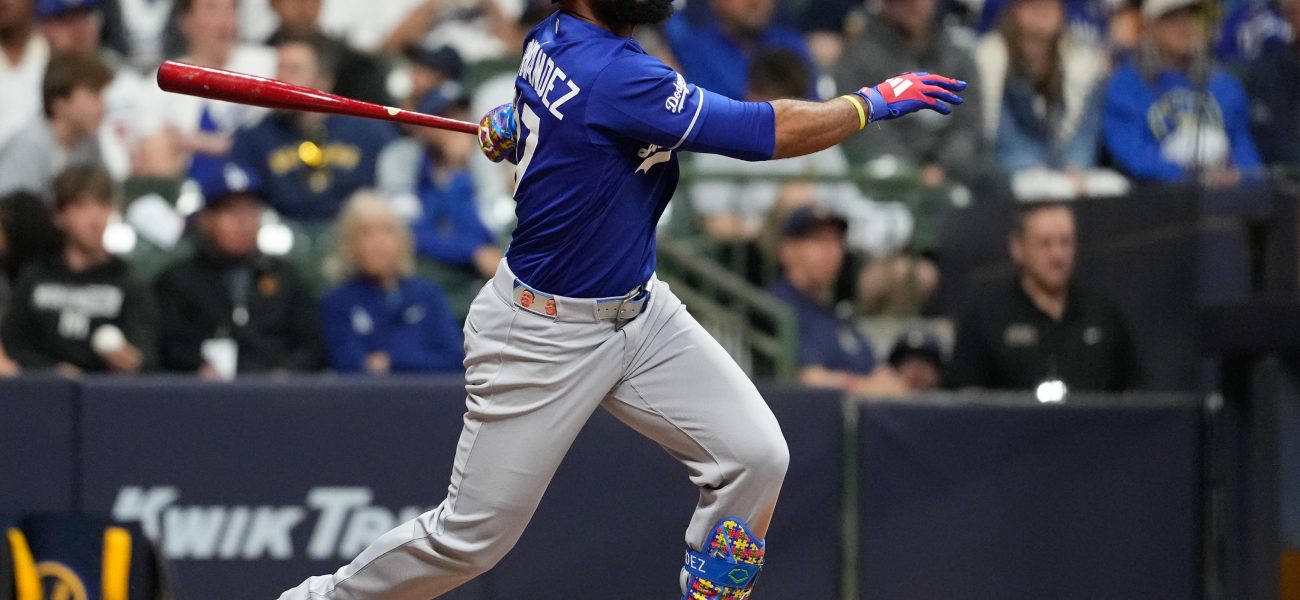
It was Teoscar Hernández, number 37, stepping into a fleeting spotlight on May 23, 2026. A two-run single, ninth inning—yes, it secured a win. But in the boardrooms where sports properties are monetized, that single is just a data point, a flash of content designed to fuel a different, more pervasive machine. A machine that knows no off-season, recognizes no national borders. Yoshinobu Yamamoto faced Brandon Sproat, the narrative crafted for tomorrow’s headlines, today’s social feeds. And it’s all part of the continuous, unyielding grind for eyeballs, for subscriptions, for engagement.
Because let’s be honest: what’s happening at American Family Field isn’t just a baseball game. It’s a precisely calibrated product, delivered across SportsNet LA, AM 570, KTNQ 1020, — and streamed globally. And that’s where the real game is being played. These megateams, these behemoth franchises, aren’t just hawking tickets and peanuts; they’re selling an experience, a community, an identity. They’re selling digital access, frictionless—or so they hope—engagement, from Milwaukee to Mumbai. “We don’t just sell baseball; we sell belonging,” offered Sarah Jenkins, MLB’s Vice President of Digital Strategy. “Every click, every shared post, every fan forum sign-up isn’t just numbers—it’s loyalty we’re building, global reach we’re extending.”
It’s an imperative for clubs like the Dodgers, with their sprawling payrolls and ambitious international designs, to convert every moment into monetizable data. Consider Pakistan, for instance—a nation where cricket reigns supreme, but whose young, digitally native population of over 240 million is increasingly accessible. And they’re prime targets for global entertainment. They don’t just see a game; they see a potential new fascination, a brand, a story to follow on devices they clutch religiously. The MLB is projected to generate north of 10 billion dollars in annual revenue by the close of 2026 (Sports Business Journal, 2025 data forecasts), and that massive figure relies heavily on this ceaseless quest for broader audiences, far beyond baseball’s traditional heartland.
📄 POLICY WIRE WHITEPAPER PUBLISHED: PAKISTAN'S NATIONAL SECURITY POLICY PRIORITIES
👉 READ BY CLICKING HEREThe players, they’re the engine, the content creators on the field, often oblivious—or resigned—to the grander corporate machinations. But it wears on them too, this relentless pace. “It’s a long season, always,” noted retired MLB general manager, David Sterns, known for his notoriously direct style. “These guys, they’re professional athletes, absolutely. But they’re also cogs in a multi-billion dollar entertainment machine. Injuries, fatigue, media obligations—it’s all part of the job. You’re expected to perform, night in, night out, for a worldwide audience that’s always on.” That unrelenting expectation, that digital spotlight, it shapes every decision, every trade, every pitch count.
Teams aren’t just selling a game; they’re selling a narrative that transcends cultural divides—even if it’s still primarily steeped in American tradition. From the pitch clock, designed to keep things zippy for a global audience with shrinking attention spans, to the seamless digital integration encouraging community posts and comment threads—everything is engineered. It’s designed to keep you tethered, watching, clicking, buying. This wasn’t just a Brewers vs. Dodgers match; it was another installment in the infinite scrolling saga of commercialized sports, packaged for the world. Even in places like Gaza, where daily life is a struggle for existence, people, if they’ve access, watch what they can—a glimmer of normalcy, a distraction, a moment of shared humanity in an otherwise divided world, all enabled by the very digital networks these teams are desperate to exploit.
What This Means
This seemingly ordinary baseball fixture carries considerable economic — and even geopolitical subtext. The drive for global market saturation by sports franchises isn’t just about growth; it’s about insulating against domestic market fluctuations and diversifying revenue streams in an increasingly fractured media landscape. Teams are becoming multinational corporations, their success measured not just in wins and losses, but in digital impressions, merchandise sales across continents, and streaming subscriptions in emerging markets. The integration of community features directly into broadcasts highlights a critical shift: passive viewership is out; active, engaged, data-generating fandom is in. This aggressive data collection—who’s watching, for how long, what they comment on—forms an incredibly rich vein of consumer information. Politically, this global reach, however benign on the surface, expands a brand of soft power. It projects a specific cultural export, integrating it into daily lives globally, potentially influencing future consumer trends and even cultural alignment. It’s a calculated strategy, a silent expansion of influence, cloaked in the thrill of the game.
📖 GET YOUR FREE COPY NOW OF POLICY WIRE DIGITAL MAGAZINE JULY 2026 EDITION
👉 READ & DOWNLOAD FREE MAGAZINE