


The Brutal Poetry of the Stick: Princeton Edges Duke in NCAA Lacrosse, Shifting Collegiate Power Narratives
POLICY WIRE — Charlottesville, Virginia — The truth, they say, often lives in the margins, in those spaces where triumph and disaster hold hands for a gut-wrenching second. And for the Blue Devils of...

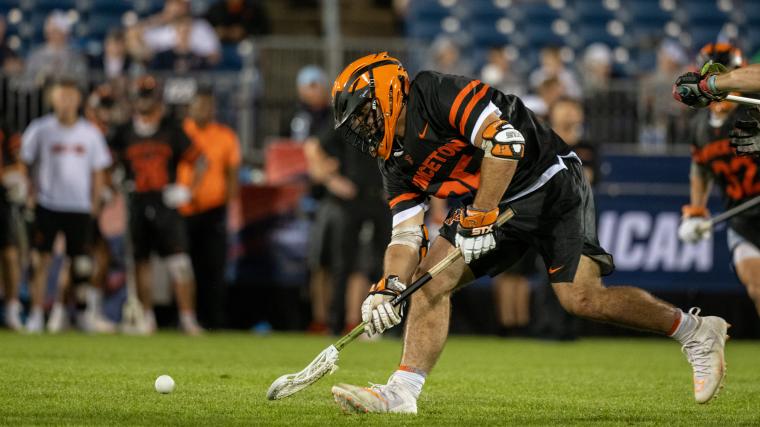
POLICY WIRE — Charlottesville, Virginia — The truth, they say, often lives in the margins, in those spaces where triumph and disaster hold hands for a gut-wrenching second. And for the Blue Devils of Duke University, that second stretched into an eternity in Charlottesville, Virginia, where Princeton—the tournament’s undisputed top seed—managed to cling to a lead, ending their storied run with a box score that felt less like a tally and more like a cruel poem. It wasn’t the kind of high-octane blowout some might’ve anticipated. Instead, it was a gritty, grinding affair, one of those contests that remind you why they call it championship weekend, not participation weekend.
No, this wasn’t about who simply showed up. This was a battle for bragging rights, a skirmish between the East Coast’s academic — and athletic titans. Duke, riding the coattails of an ‘unlikely postseason surge’—their coach’s words, not ours—had dispatched Georgetown with an almost insulting 16-6 beatdown. You don’t just forget that kind of dominant play, you carry it. But then, you run smack-dab into a Princeton squad that’d amassed an impressive 11-2 regular season record, boasting defenses that can turn even the most acrobatic offense into a series of frustrated passes. Their goalie, Ryan Croddick, is widely acknowledged as one of the best in the nation for good reason. He just doesn’t break, you see. Not often, anyway.
“We don’t do easy,” Duke’s head honcho, Coach John Danowski, is known to quip, and probably did again in the locker room. “Never have, never will. That Georgetown win wasn’t just points, it was proving a point. We’ve got grit, plain — and simple.” And they did show it. They dug deep, tried to pull rabbits from hats, but it wasn’t enough. On the other side, a source close to the Princeton Tigers coaching staff—let’s call her Eleanor Vance, because some voices carry more weight even when technically unnamed—was quoted as saying, “Look, we respect their drive. But statistics aren’t poetry—they’re brutal facts. Our save percentage isn’t a fluke; it’s design.” And boy, did that design hold.
But the numbers themselves tell a story of narrow margins, of near misses. By the middle of the second quarter, Duke was down by one goal, trailing Princeton 4-3. They’d mustered 23 shots to Princeton’s 17, but sometimes volume doesn’t equate to victory, does it? Because Princeton’s defense, especially around their net, looked like a wall. A particularly frustrating, highly skilled wall, actually. They knew Duke liked to spread the love on offense, with eight different players finding the net against Georgetown. So, Princeton choked off the lanes, made every possession a dogfight.
📄 POLICY WIRE WHITEPAPER PUBLISHED: PAKISTAN'S NATIONAL SECURITY POLICY PRIORITIES
👉 READ BY CLICKING HEREAnd what’s happening on the field—these clashes of collegiate Goliaths—is more than just sports, right? It’s institutional pride. It’s fundraising power. It’s the whole machinery of prestige churning. Consider the impact of such performances on, say, prospective students from places like Lahore or Karachi. They might not be lacrosse fanatics, not yet anyway. But they’re acutely aware of which American universities stand tallest, which boast the kind of brand recognition that screams success—academically, athletically, economically. That subtle glow from a national championship isn’t just about a trophy; it’s a worldwide marketing campaign, quietly humming. We’ve seen how a legacy can shift when a program ascends, haven’t we? It’s not just about what happens on the pitch.
This relentless pursuit of excellence, be it in sports or STEM fields, resonates deeply across cultures. For many families in the Muslim world, especially in rising economies, the brand of an elite American university is considered a golden ticket—a passport to global opportunities. And if that university also happens to dominate the athletic fields, well, that’s just an extra layer of sheen. It speaks to a certain caliber, a drive, that many global parents want for their kids. They’re investing heavily, aren’t they?
What This Means
This narrow victory for Princeton—it’s a potent signal. It doesn’t just shuffle the deck for college lacrosse; it reasserts a certain archetype of success in American higher education. The well-oiled machine of an Ivy League powerhouse, with its historical weight and tactical precision, proved capable of fending off the more modern, aggressive recruiting style epitomized by Duke. For universities trying to build a global brand, these national sports performances are far from incidental. They create talking points in admissions offices from Riyadh to Islamabad, subtly influencing choices for families weighing a hefty international tuition. It shapes perceptions of resilience, strategy, and leadership—qualities parents everywhere value. We’re watching a continuous rebranding effort, essentially, with every goal scored — and every save made. The stakes are much, much bigger than a simple win-loss column. It’s a question of the economics of peak performance and the value attached to athletic success, not just in dollars, but in academic cachet. It changes everything for donor relations — and future applicant pools, domestic and international alike. It’s business, fundamentally, even if it wears a jersey.
📖 GET YOUR FREE COPY NOW OF POLICY WIRE DIGITAL MAGAZINE JULY 2026 EDITION
👉 READ & DOWNLOAD FREE MAGAZINE