


Old Money, New Headaches: Juventus Searches for Soul Amidst Transfer Market Chaos
POLICY WIRE — Turin, Italy — There’s a ghost haunting the corridors of Juventus, but it isn’t some spectral, forgotten champion of old. No, this particular phantom is the chilling absence of an...

POLICY WIRE — Turin, Italy — There’s a ghost haunting the corridors of Juventus, but it isn’t some spectral, forgotten champion of old. No, this particular phantom is the chilling absence of an indefinable quality: personality. After seasons of lavish spending and meager returns, the Italian football behemoth finds itself peering into the abyss, pondering how to re-inject that spark—that undeniable, world-beating character—into a squad that too often seems… inert.
It’s not just about flashy goals or airtight defense anymore. And frankly, it hasn’t been for a good long while. Modern football, for all its spreadsheets and sports science, still boils down to those moments of spontaneous brilliance, of a leader stepping up when everything’s gone sideways. Juventus, it seems, has lost the knack for buying them. Or worse, making them.
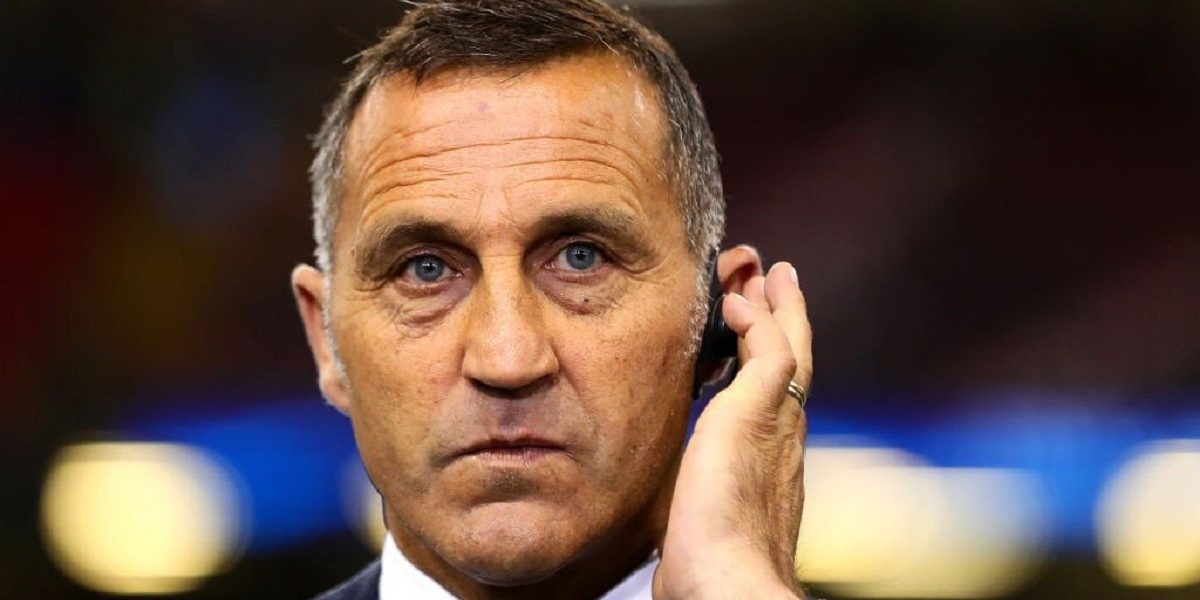
Angelo Di Livio, a hard-nosed midfielder from Juventus’s grittier, more feared era—the 90s, when they regularly kicked sand in everyone’s face—doesn’t pull punches. He looks at his old club’s current malaise — and sees a gaping hole where seasoned fire should be. “We’re certainly lacking charismatic players,” Di Livio reportedly told Italian media, his voice thick with a yearning for the past. He points to AC Milan’s coup with Luka Modrić (a perceived equivalent, perhaps, to how an experienced playmaker can lift a side, even if Modrić never actually played for Milan). “We need a Modric-style signing, like AC Milan did. He’s given everyone strength. I hope Juve can go back to being unpopular. They’re working hard, — and next year they can be competitive again.”
“Unpopular.” That’s a stinging indictment, isn’t it? Because ‘unpopular’ in Di Livio’s vernacular means formidable, intimidating, the team everyone else hated playing. Right now, Juve might just be…forgettable. That hurts the coffers, too. A fading mystique makes it harder to compete for eyeballs in emerging markets, from Seattle to Sialkot. Pakistan, a country with an insatiable appetite for European football, looks to the titans—Real Madrid, Barcelona, the English Premier League big boys. Juventus once held a similar, formidable sway; losing that costs more than just points on the pitch.
The club’s hierarchy, of course, paints a more measured picture, focusing on long-term sustainability rather than immediate, flashy acquisitions. “While the allure of a ‘Modric-like’ figure is understandable, our strategy focuses on building a cohesive unit capable of consistent performance through careful financial management and youth development,” explains Federico Cherubini, Juventus’s Chief Football Officer, during a recent low-key investor call. “We can’t chase every marquee name without risking the long-term health of the institution. Experience, yes, but at the right price point, — and with a commitment to our philosophy.” That’s the party line, anyway. It suggests a club tightening its belt while others, seemingly, splurge on immediate gratification.
But the numbers tell a story, too. Juventus, according to football finance reports, has invested significant sums into transfers over the past half-decade. Yet, according to the annual financial statements, player amortization costs for Juventus have consistently topped €100 million for several recent seasons—a figure that demands elite output. Many of those big-money arrivals, hailed as generational talents upon landing in Turin, have fizzled. They struggled to replicate the magic they spun elsewhere, perhaps overwhelmed by the famous black-and-white stripes, or maybe just lacking that internal drive that separates the merely good from the genuinely great.
📄 POLICY WIRE WHITEPAPER PUBLISHED: PAKISTAN'S NATIONAL SECURITY POLICY PRIORITIES
👉 READ BY CLICKING HEREIt’s not that Juventus hasn’t tried. They’ve poured money into players—serious money. According to FIFA’s Global Transfer Report 2023, international transfer spending shot past $9.63 billion last year, marking a massive 47.2% surge from 2022. It’s a gold rush out there, but Juve seems to have ended up with fool’s gold more often than not. This puts them in a precarious spot, fighting for top-tier talent in a hyper-inflated market with less purchasing power than their wealthier rivals, much like Newcastle has experienced when facing global finance fissures.
What This Means
This isn’t just about Juventus blowing a few big-money deals; it’s a symptom of a larger, systemic shift in European football’s pecking order. The old aristocracy, of which Juventus is certainly a member, now grapples with the new money—the state-backed clubs and the hyper-commercialized entities that can simply outbid everyone else. For Juve, this means a delicate strategic balancing act: how do you maintain a global brand built on relentless winning when your wallet isn’t as fat as it once was? It’s about perception as much as performance. Bringing in a player with ‘charisma’ or ‘leadership’ isn’t just for the locker room; it’s about signaling intent to the fans, to sponsors, and to the massive fan bases watching from countries like Malaysia, Indonesia, and of course, Pakistan, who invest their passion and their purchasing power into these clubs.
The implied strategy, if they listen to Di Livio, is a short-term gamble on established star power to reignite a struggling narrative. But. that path is fraught with risk, particularly given their recent track record. The long-term implications are clearer: Juventus must rediscover its innate ability to scout and develop talent, making less noise but creating more impact. Because if they don’t, the silence will become deafening, both on the pitch — and in the accounts department.