


Shadows on the Horizon: U-2 ‘Dragon Lady’ Lands in New Mexico, Haunting Echoes of Cold War Skirmishes and Enduring Vigilance
POLICY WIRE — Albuquerque, N.M. — In a corner of New Mexico’s high desert, the Cold War just received its latest, somewhat dusty, eternal monument. It’s not another forgotten bunker, nor a crumbling...

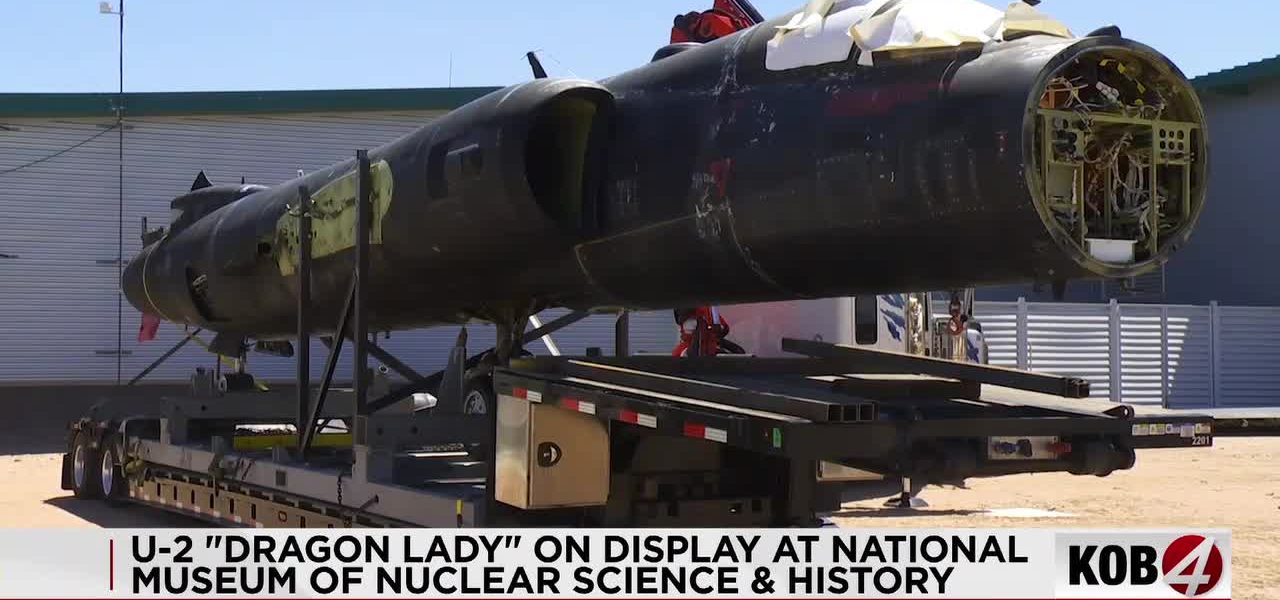
POLICY WIRE — Albuquerque, N.M. — In a corner of New Mexico’s high desert, the Cold War just received its latest, somewhat dusty, eternal monument. It’s not another forgotten bunker, nor a crumbling missile silo, but a sleek, unsettling reminder of what the world once teetered on: the U-2 ‘Dragon Lady’ reconnaissance aircraft. This silent sentinel of bygone — but not entirely dissipated — geopolitical tensions has found its permanent home at the National Museum of Nuclear Science and History, an arrival museum staff have quietly coveted for over two decades.
Because, let’s be real, you don’t just casually stumble upon a spy plane that peered into the Soviet Union’s deepest secrets. It took some serious maneuvering—the museum says it’s been on their wishlist for twenty-plus years, an eternity in museum curation time. They’ve finally got their prize, a bird that saw more Cold War drama unfold beneath its wings than most diplomats ever witnessed firsthand.
Jennifer Hayden, the museum’s Executive Director, didn’t hold back her excitement. “We’re finally the first civilian museum to get a U-2 Dragon Lady,” she stated, an obvious relief in her tone. “The plane connects directly to our mission; it’s very relevant to our goal of being America’s go-to spot for nuclear science and history. It just shaped so much during the Cold War. It’s a real artifact of vigilance.” She’s not wrong; this isn’t just another shiny piece of aluminum for display. It’s a machine that quite literally saw the end of the world coming—and then helped America stare it down.
Consider the Cuban Missile Crisis in October 1962. It’s the stuff of legends, isn’t it? U-2 intelligence, often collected from dizzying altitudes of over 70,000 feet, provided incontrovertible evidence of Soviet offensive nuclear missiles being installed on the island. Those photos—those black-and-white mosaics of death arrays—forced President Kennedy’s hand, giving him the precise, undeniable leverage he needed. The ensuing standoff brought us all within spitting distance of nuclear Armageddon. Without that plane, the situation could’ve played out… differently. And probably disastrously. Historians still argue about the specifics, but nobody doubts its role.
Senator Ben Ray Luján (D-N.M.), who chairs a Senate Armed Services subcommittee on strategic forces, and whose state often finds itself at the forefront of defense innovation, reflected on the U-2’s arrival. “This isn’t just old metal; it’s a stark reminder of vigilance, and a chilling lesson on how quickly peace can teeter,” he said, his voice laced with gravity. “The intelligence gathering these planes conducted, the sheer audacity of those missions—they carved out the landscape of our national security, and we’re still operating within its contours today.”
📄 POLICY WIRE WHITEPAPER PUBLISHED: PAKISTAN'S NATIONAL SECURITY POLICY PRIORITIES
👉 READ BY CLICKING HEREAnd those contours, it’s worth noting, stretch far beyond the confines of North America or even Soviet Europe. For decades, the U-2 platform, in various guises, played an unsung, sometimes shadowy, role across global flashpoints. During the thick of the Cold War, from bases like Peshawar in Pakistan, U-2s conducted sensitive overflights targeting Soviet airspace. These missions, often undertaken with the tacit and sometimes reluctant agreement of local governments, didn’t just gather intel; they also cast long shadows over regional alliances and the precarious balance of power in places like South Asia, a region forever caught between great power rivalries. For countries like Pakistan, playing host to such high-stakes reconnaissance missions was a dangerous, often thankless, bargain—a lesson in managing external pressures amidst domestic fragility that continues to resonate today, albeit with different technological tools.
The U-2 isn’t some antique; versions of it have served the U.S. for almost 70 years. That’s a serious stretch for any aircraft, particularly one constantly pushed to the limits of engineering and human endurance. It became the ninth aircraft displayed permanently at the Albuquerque museum. This adds depth to an already impressive collection, bringing that grim historical narrative into sharper focus for the curious masses who stream through the doors. The plane they brought in? It’s not just any old U-2 either. This particular bird flew countless missions during some of the tensest moments of the last century, making its journey from California to its final resting place in New Mexico an echo of its covert past.
What This Means
The acquisition of a U-2 Dragon Lady isn’t just a win for museum enthusiasts; it carries subtle yet potent political and economic implications. For one, it grounds an abstract history into something tangible. In an era saturated with information, often fleeting and unreliable, a physical object like the U-2 provides a stark anchor. It teaches—or at least reminds—younger generations how intelligence gathering used to work, devoid of the slick digital interfaces and pervasive drone swarms we have today. The U-2 represented an era of human courage in the face of unimaginable risks, something distinct from the push-button warfare we increasingly embrace.
Economically, attracting such a rare artifact can translate into increased tourism for Albuquerque and New Mexico, bolstering local economies often reliant on unique attractions. More profoundly, however, the plane’s presence reignites conversations about military industrial complex legacies, the ever-escalating costs of maintaining technological superiority—and the geopolitical tightropes walked by nations hosting these advanced assets, particularly in volatile regions like the Muslim world where U.S. foreign policy has deep, — and often contentious, roots. It’s a silent, yet powerful, testament to past policies that continue to shape today’s foreign engagements. Understanding that history—its tools and its consequences—is pretty important, because frankly, some old games never really go out of style.