

Albuquerque’s Juneteenth Road Race Navigates History, Health, and the Commercial Divide
POLICY WIRE — Albuquerque, N.M. — The high desert sun isn’t usually an adversary in a sprint. Not here, anyway. But this weekend, as the “Heart of ABQ 6.6K” kicks off—a peculiar distance,...

POLICY WIRE — Albuquerque, N.M. — The high desert sun isn’t usually an adversary in a sprint. Not here, anyway. But this weekend, as the “Heart of ABQ 6.6K” kicks off—a peculiar distance, chosen for reasons beyond athletic convenience, tying into Juneteenth—it isn’t just about breaking a sweat. It’s about remembering. And, let’s be honest, it’s about navigating how a solemn, centuries-old emancipation now dovetails with branded community events, sweatbands, and strategically placed water stations.
It’s easy to dismiss these things. Just another road race, right? Folks getting their steps in, burning off yesterday’s calories. But this isn’t just any local fun run. This particular trot through Albuquerque’s core arrives steeped in a complex legacy, an official federal holiday, no less, and one that still puzzles more than a few folks around the water cooler. It commemorates June 19, 1865, when Union Gen. Gordon Granger finally declared freedom for enslaved people in Texas, more than two years after the Emancipation Proclamation. Better late than never, we suppose. Or maybe just, better.
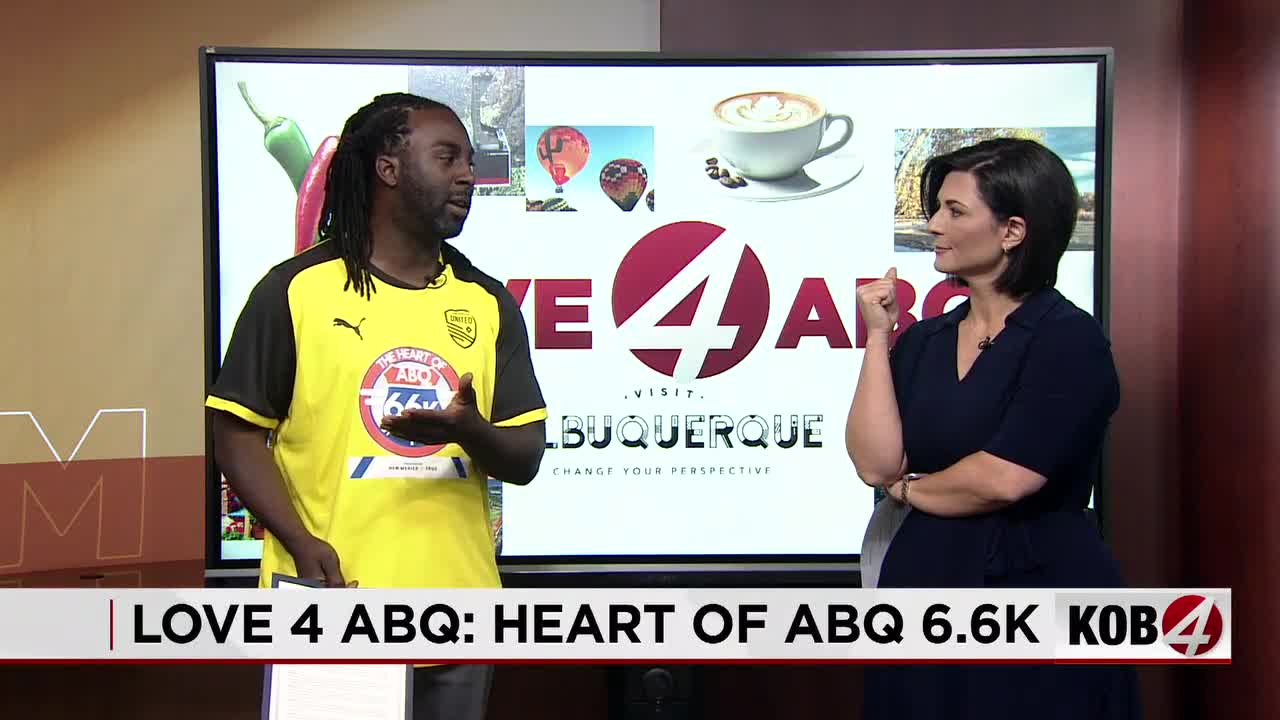
The My Juneteenth organization, a local outfit, has taken up the mantle, converting historical narrative into tangible community engagement. Ahdohny Routheni, the group’s executive director, sees more than just exercise. “We’re not just organizing a race; we’re orchestrating an act of communal remembrance and forward momentum,” Routheni stated, her voice resonating with an undercurrent of mission. “It’s about health, yes, but it’s more profoundly about ownership of history and a shared future—for everyone who lives in this diverse city.” It’s a sentiment many community leaders here seem to echo, whether sincerely or because they feel they should.
The 6.6K distance itself is, of course, a nod. Roughly 6.6 kilometers equates to a shade over four miles, a length that feels both manageable — and significant. It doesn’t quite roll off the tongue like a 5K, but then, perhaps that’s the point. It makes you pause. And if a slightly awkward metric conversion can spark a moment of historical reflection amidst the runners’ cadence, then perhaps the oddity serves a higher purpose. But, how much of that message truly sinks in amidst the scramble for good parking spots and hydration, that’s another question altogether, isn’t it?
Mayor Tim Keller, always keen on highlighting Albuquerque’s unique blend of cultural richness and community spirit, was quick to lend his imprimatur. “This isn’t merely about physical fitness; it’s about civic fitness, if you will,” Keller said during a recent press conference, managing to sound both earnest and a little rehearsed. “It’s a chance for our residents to not only improve their well-being but also to physically embody the spirit of freedom and unity that Juneteenth represents for our nation and right here in our incredible city.” Such pronouncements, of course, are standard political fare, but they do underscore the official embrace of a day once primarily observed by Black communities.
But does official embrace dilute the message, or amplify it? It’s a perennial debate with any co-opted, or perhaps ‘adopted,’ holiday. What’s clear, though, is the sheer energy. According to recent U.S. Census Bureau data, Juneteenth has seen a nearly 40% increase in public and private sector recognition since becoming a federal holiday in 2021, suggesting a broad, if sometimes superficial, national engagement. And here in Albuquerque, events like this race try to bridge that gap between acknowledgment — and understanding. It’s a pragmatic approach, taking the historical weight — and lacing it up in running shoes.
For some, particularly in South Asia and parts of the Muslim world, the idea of an athletic event commemorating a deeply personal and often painful historical liberation might feel foreign. There, communal memory often takes on different, perhaps more austere, forms—solemn prayers, quiet vigils, or storytelling that stretches generations, rather than miles. Yet, the core thread, this enduring human yearning for justice, for dignity, it’s a global current. It courses through narratives of partition, through tales of colonial subjugation, and through the persistent struggle for human rights, mirroring in its essence the long-deferred freedom celebrated by Juneteenth.
We’ve seen similar cultural reckonings closer to home, though perhaps less overtly commercial. Think of the continued push to address historical land injustices, echoing the deeper institutional grievances that persist. Even beyond the historical resonance, community health remains a persistent concern. New Mexico consistently ranks low in public health indicators; getting people active, especially through events that foster social cohesion, isn’t just about PR. It’s an earnest, if modest, step towards real public good. Because, let’s be honest, good intentions only get you so far if people don’t actually show up. The city faces its own environmental challenges, and community spirit can go a long way.
What This Means
The integration of Juneteenth into events like the “Heart of ABQ 6.6K” signals a multifaceted evolution. Politically, it’s a smart play for city leadership—Mayor Keller gets to show his progressive bonafides and engage a diverse voter base, burnishing Albuquerque’s image as a city that’s not just celebrating, but actively addressing its history. Economically, while this specific race won’t single-handedly move markets, it represents a micro-injection of cash into local businesses—think registration fees, sporting goods purchases, coffee after the run. It also speaks to a broader trend of commodifying cultural milestones, turning them into consumable experiences. And for organizations like My Juneteenth, it’s a strategic way to sustain engagement and awareness, pushing historical literacy in an accessible format.
But there’s a delicate balance here. How much athleticism, how much celebration, can you layer onto a history of bondage and deferred liberation before the message gets lost in the marketing? It’s a question worth pondering as the concept of civic engagement continues to adapt, intertwining personal wellness with collective remembrance. One might argue it’s an American characteristic, this blending of the somber and the celebratory—much like how urban sports spectacles become narratives of triumph and economic revival.