


Tuscan Reverie or Reality Check? Val d’Orcia’s Olive Groves Eyed by Global Capital
POLICY WIRE — ROME, ITALY — Forget the sepia-toned postcards of cypress-lined lanes and medieval hamlets—the actual machinations within Tuscany’s storied Val d’Orcia are far less idyllic. This...

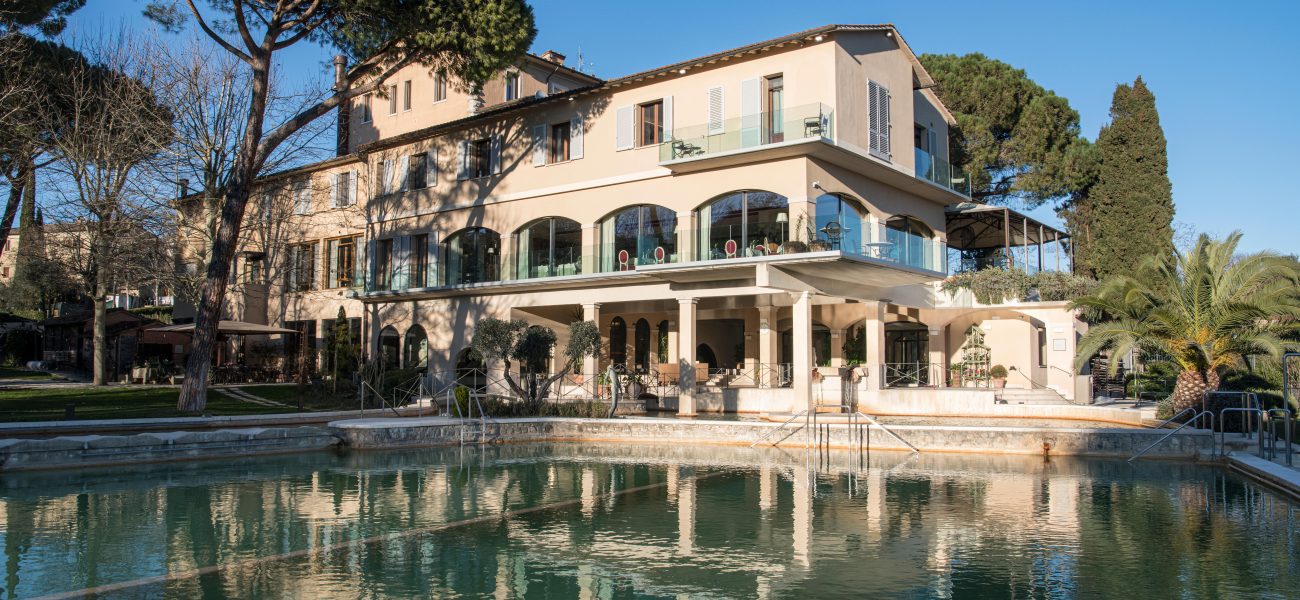
POLICY WIRE — ROME, ITALY — Forget the sepia-toned postcards of cypress-lined lanes and medieval hamlets—the actual machinations within Tuscany’s storied Val d’Orcia are far less idyllic. This isn’t a quaint travel brochure; it’s a policy battleground, subtly fought with currency and cultural capital, where Italy’s pastoral ideal clashes head-on with the raw ambition of international finance. We’re talking about more than just vineyard views, see. We’re talking about who owns them, who tends them, and what that means for Italy’s soul, not to mention its struggling economy.
It’s not just European aristocrats or Hollywood moguls anymore. A new breed of global investor is sniffing around—not always for agricultural output, sometimes just for the quiet prestige, the ‘la dolce vita’ brand cachet. These aren’t the slow, generational transfers; they’re quick, cash-rich acquisitions. But where does the local character go when the purse strings are pulled thousands of miles away? And who benefits when properties exchange hands for figures that make local generations gasp?
Because, make no mistake, beneath the veneer of sun-drenched Renaissance dreams, Val d’Orcia is transforming. Prices for traditional farmhouses, the famed cascine, have, in some prime locations, surged by an average of 40% over the last five years alone, driven largely by foreign capital—according to market reports from Knight Frank, a global property consultancy. And it’s not always transparent. These aren’t family vineyards diversifying; they’re often opaque holding companies with deeper pockets and longer reach, often backed by sovereign wealth funds or Gulf State investment groups looking for stable, tangible assets.
But the money talks. Italian officials, forever juggling debt and demanding budgets, often welcome the cash injection with an almost palpable relief. “Italy’s cultural patrimony is its greatest asset, yes,” acknowledged Dr. Elara Visconti, Undersecretary for Cultural Heritage, her words carefully measured during a recent conference in Florence. “But its preservation requires investment. And if that investment comes from abroad, facilitating new opportunities and economic growth for our regions, it’s a collaboration to be thoughtfully explored.” A collaboration, you see, that increasingly employs a diverse, often unseen, workforce.
It’s a peculiar irony that as global capital reshapes the landscape, it simultaneously redraws the human geography. While tourists might romanticize Italian agricultural workers, the reality is more globalized. In many corners of Italy, particularly those in the lower-wage echelons of agricultural and hospitality sectors, a growing cohort of migrant workers keeps the cogs turning. These are folks from across South Asia—Bangladesh, India, and increasingly, Pakistan—who often navigate precarious legal standings and grim working conditions to maintain the façade of effortless Italian luxury. It’s a truth not often found in glossy travel magazines. And it’s a silent engine, a hidden complexity beneath those perfect rolling hills.
“They come because there’s work, plain and simple,” one local mayor, who preferred to remain unnamed citing local sensitivities, grumbled off the record. “Locals won’t do it for the pay. But these guys? They work. They send money home. It’s a tough life, for sure, but they make it work. And they make our hotels and agriturismi function.” That unseen infrastructure—this human ecosystem—is as much a part of modern Val d’Orcia as the pecorino cheese and Sangiovese grapes.
Because ultimately, these capital infusions aren’t without consequences. Locals get priced out. Traditional businesses, sometimes running for centuries, struggle to compete with internationally financed resorts boasting amenities the size of small villages. And the quiet, intimate charm? It often gets swallowed up by the relentless push for upscale exclusivity. What’s more, this shifting landscape has ripple effects, influencing everything from international diplomacy and trade discussions to local food supply chains and socio-cultural integration.
But who really defines the region’s ‘most beautiful’ aspect anymore? Is it the view? Or the economic resilience that now depends on a global web of cash — and labor? Italy’s ancient hills, once simply producing wine and olive oil, are now cultivating something far more complex: a dynamic, if often contentious, global marketplace where culture is both commodity and casualty.
What This Means
The gentle undulations of Val d’Orcia, emblematic of Italy’s enduring cultural cachet, have become an inadvertent barometer for broader global economic trends and their socio-political impact. For Italy, the immediate economic benefit of foreign investment is hard to argue with—especially for a nation grappling with persistent public debt and the need for renewed infrastructure. But this influx exposes a deeper policy tightrope walk: how to balance capital needs with the preservation of cultural identity and local welfare. Rome faces increasing pressure to regulate these transactions, ensuring they provide tangible, equitable benefits to local communities, not just absentee landlords or distant shareholders. And that’s no simple feat in a country with a patchwork quilt of regional regulations.
Globally, the Val d’Orcia scenario mirrors what we see in many desirable, heritage-rich regions worldwide. It raises questions about sustainable tourism, gentrification, and the complex ethical implications of a globally mobile workforce. The quiet contribution of South Asian laborers to sectors once seen as quintessentially ‘local’ also complicates national narratives around identity and immigration. For countries like Pakistan, remittances from such workers represent a lifeline for many families, underscoring the deep interconnectedness of seemingly disparate economies. This isn’t just about beautiful scenery; it’s about the relentless march of globalization, commodifying heritage, distributing wealth unevenly, and quietly, irrevocably, changing the fabric of ancient lands.