

Spain’s Arson Economy: New Fire Season, Old Fears, Bigger Budget
POLICY WIRE — Madrid, Spain — The scent of distant smoke — even before the first official flames erupt — has become Europe’s unwanted perfume. In Spain, they’re...

POLICY WIRE — Madrid, Spain — The scent of distant smoke — even before the first official flames erupt — has become Europe’s unwanted perfume. In Spain, they’re not just bracing; they’re deploying. Premier Pedro Sánchez, head of a perpetually teetering coalition government, recently pulled back the curtain on what’s being touted as the nation’s biggest-ever forest fire campaign. It’s a statement both of grim necessity and, let’s be honest, political theater.
It’s not just a Spanish problem, you know. But in the land of flamenco and sun-drenched beaches, the summer heat — intensified by global patterns we don’t really have a handle on — feels a whole lot like a perpetual siege. Last year? Spain suffered its worst wildfire season on record, an inferno that chewed through land like a hungry beast. The memory of 2022’s devastation, when more than 306,000 hectares — nearly four times the average for the last two decades — succumbed to flames, still hangs heavy, a smoky shroud over the collective conscience. (That figure comes straight from Copernicus, Europe’s Earth observation program, by the way).
And so, Sánchez stood there, looking suitably serious. He vowed "maximum commitment" — a phrase that sounds good but really means throwing more money, more bodies, and more hardware at a problem that frankly laughs in the face of conventional solutions. The announcement feels like an acknowledgment that climate change isn’t some distant threat; it’s an annual visitor with an increasingly aggressive disposition. The PM probably just wants to avoid images of burnt landscapes dominating nightly news cycles, you can’t blame him.
"Spain won’t surrender its natural heritage to a changing climate," he’d declared, his tone mixing resolve with — dare one say it — a touch of desperation. "We’re throwing everything we’ve got at this. We don’t have a choice." It’s a noble sentiment, sure. But does it solve the fundamental issue? We’ll see.
But not everyone’s buying the grand gestures. "It’s always the ‘biggest ever campaign’ after the damage is done, isn’t it?" scoffed Elena Fernández, an environmental policy analyst with the European Green Pact Initiative. "Where was this urgency when scientists were shouting about drying forests a decade ago? It’s reactive, not proactive. And it certainly doesn’t address the deep-rooted policies — or lack thereof — that have left vast tracts of our rural landscape vulnerable." Hard to argue with that.
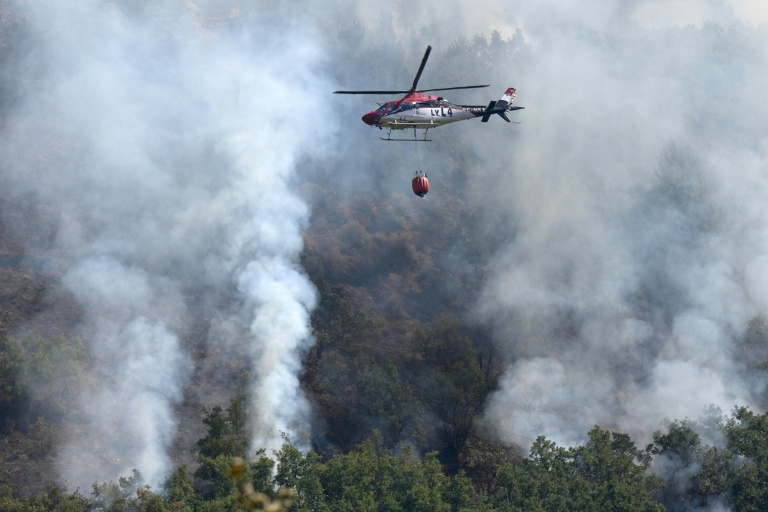
The campaign itself involves beefing up firefighter brigades, deploying more air assets — the water bombers everyone sees on TV — and, crucially, a push for better early detection systems. Because every second counts when a wildfire gets its teeth into a dry forest. They’re also talking prevention, which is where things get really messy: controlled burns, clearing undergrowth. All stuff that takes foresight — and long-term planning, not just a frantic last-minute scramble.
And what’s Spain’s fiery struggle got to do with, say, a family in Karachi? Well, it’s all part of the same suffocating heat blanket, isn’t it? The same carbon-laced air warming the Mediterranean to extremes also drives Pakistan’s melting glaciers and unpredictable monsoon deluges. One region’s environmental meltdown isn’t isolated; it’s a tremor in a global fault line. For Madrid to declare an ‘unprecedented’ response suggests a future for places like Islamabad or Dhaka that could make their own seasonal climate crises — whether it’s scorching heatwaves or devastating floods — even more intractable, demanding their own ‘biggest ever’ responses to simply cope. Because, ultimately, climate change doesn’t respect borders, does it? Its reach is frankly global.
We’re talking billions of euros spent, potentially diverted from other pressing needs like healthcare or infrastructure. The economy isn’t just about growth; it’s about resilience, about being able to stand upright when nature delivers its uppercut. Britain’s ‘Lost Summer’ Grips Economy, for instance, but Spain faces a much hotter predicament.
What This Means
The ‘biggest-ever’ campaign is more than just a bureaucratic flex; it’s an economic burden Spain just can’t shake. You see a clear trajectory here: the hotter it gets, the more funds are siphoned into damage control, rather than growth-generating initiatives. Politically, Sánchez can’t afford another summer of widespread destruction. His government — always walking a tightrope — would face an electoral backlash if communities again burn down. But by positioning himself as the man tackling the crisis head-on, he tries to wrestle some control back from the capricious hands of climate change. It’s a battle on two fronts: literal flames — and voter perception. The long-term implication? Southern Europe, as a whole, is recalibrating its understanding of ‘summer.’ It’s shifting from a season of leisure to a period of heightened threat, impacting tourism, agriculture, and public health — really, every facet of Mediterranean life. It’s a costly paradigm shift, — and nobody’s entirely sure who’s footing the ultimate bill. Even soccer gets complicated in such heat; look at the recent turbulence in Spanish football, indicative of wider societal stress. It all kinda spirals, doesn’t it?