


Concrete, Controversy, and Culpability: Taos Bridge Death Toll Spurs State Action Amid Litigation
POLICY WIRE — Taos, New Mexico — A chilling legal battle has peeled back layers of state inertia, forcing New Mexico officials to confront a macabre reality etched into the landscape: the Taos Gorge...

POLICY WIRE — Taos, New Mexico — A chilling legal battle has peeled back layers of state inertia, forcing New Mexico officials to confront a macabre reality etched into the landscape: the Taos Gorge Bridge, a picturesque landmark, has long doubled as a tragic final stop for too many despairing souls. The public outcry, amplified by grieving families, has finally pried open the state’s purse strings and compelled action decades in the making.
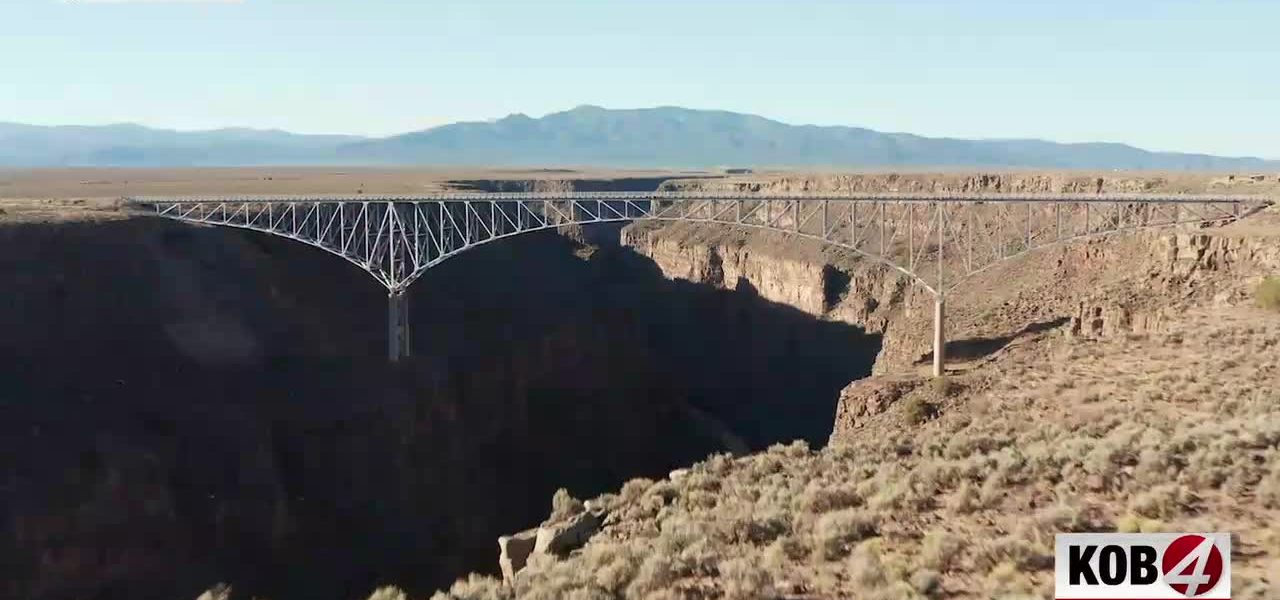
It’s not just a bridge; it’s a monument to bureaucratic languor. For 58 years, the side railings stood just four feet tall—an open invitation, families now assert, for tragedy. After generations of pleading, commissions, and studies, the New Mexico Department of Transportation (NMDOT) has begrudgingly committed to installing eight-foot fences and higher railings. It’s an admission, albeit tacit, that the price of inaction far outweighs the cost of preventative measures.
Anna Gonzales, her voice a raw echo of grief, recounts the loss of her son, Alejandro, last year. “I can’t even pass through that bridge. There’s just so much trauma,” she shared, her words hanging heavy in the desert air. Alejandro, struggling with kidney disease — and depression, was among those who found their end there. His story, like Noah Salmons’—a vibrant 15-year-old, the youngest of five, whose life also ended at the bridge in September—now underpins a damning lawsuit against the NMDOT.
“He was as perfect as you could expect for a child,” lamented Amanda Salmons, Noah’s mother. “Every day is torture. You know, walking by his room, you know he’s supposed to be here. This was never supposed to happen.” The Salmons family lawsuit isn’t just about personal anguish; it’s a meticulously documented indictment of state oversight, pointing to a cascade of ignored warnings. Three feasibility studies conducted between 2009 and 2018 consistently recommended higher barriers or horizontal netting. Yet, the NMDOT’s primary intervention for years? Phones linking to a crisis hotline, a gesture almost cruelly inadequate for those already on the precipice.
“There are other locations all over the world who have adapted their bridges in order to protect their community. Why are the people in our community so disposable?” Salmons demanded, encapsulating a community’s simmering fury. Because, as it turns out, the price tag for human life in bureaucratic ledger sheets often gets discounted until a courtroom gavel drops. The suit cites at least 44 suicides from the bridge between 1991 and 2017—a sobering tally, one that surely doesn’t account for every untold story. And the pace accelerated, with seven recorded deaths at the bridge in what appears to be a stark typo in earlier reports, meaning a projected number or misrecorded past spike – emphasizing an alarming recent surge.
Sheriff Steve Miera of Taos County knows the bridge’s grim statistics firsthand. He’s been responding to recovery efforts for years. “This is an issue that’s near and dear and intimate to Taos County,” Miera stated, his tone heavy with the burden of firsthand experience. He’s pushed for changes, witnessing the repeated failures of a system too slow to react.
Finally, under the duress of litigation — and relentless public scrutiny, the NMDOT stirred. Jim Murray, representing the department, offered a curious justification for the newfound swiftness. “We didn’t even realize that until we actually took a close look at the concrete sidewalks, which were surprisingly in very good shape and very light, we could just pop off the existing rails and put on the new ones,” Murray explained. It’s a statement that rings with a certain arid bureaucratic poetry: a problem, years in the making, suddenly surmountable once someone bothers to look closely enough. The department plans temporary fences this summer, with permanent installations slated for September, though the option of horizontal netting—more comprehensive, certainly—remains tangled in debates over structural integrity and the accumulation of snow, ice, and objects.
It’s a pattern we see worldwide. Bureaucracies, from New Mexico to Pakistan’s sprawling infrastructure projects, often respond with similar sluggishness to safety concerns, particularly when mental health stigma clouds policy decisions. But this glacial pace exacts a steep toll, measured not in dollars but in despair.
What This Means
This eleventh-hour intervention at the Taos Gorge Bridge signals a profound shift, born not of proactive governance but reactive litigation. The legal action isn’t merely seeking compensation; it’s a potent lever for policy change, forcing state agencies to weigh the moral cost of neglect against the financial expense of public works. Economically, the delayed action presents a textbook case of externalized costs — the emotional and societal burden shouldered by families and the community, rather than the agency directly responsible for infrastructure safety. The initial estimate for vertical railings was a manageable $3.4 million, a figure dwarfed by the untold cumulative costs of responding to tragic incidents and the current legal entanglement.
Politically, the NMDOT’s sudden pivot demonstrates that public pressure, particularly when channeled through legal avenues, can indeed penetrate even the most entrenched governmental inertia. It exposes a broader systemic flaw: agencies often prioritize operational efficiencies or budget constraints over explicit safety upgrades until their hand is forced by public outrage or court order. But it’s not enough to just put up fences. This episode also highlights the urgent need for robust, proactive mental health infrastructure—crisis intervention that prevents individuals from reaching such desperate impasses in the first place, rather than solely focusing on physical barriers. It’s about building trust, sure, but also literally building barriers to despair.