


Shadow of the Drone: Barakah’s Nuclear Peace Shattered by Iraqi Incursions
POLICY WIRE — Abu Dhabi, UAE — The whispers started first, a low hum across the arid landscape. Not the usual drone of commerce or construction, but something more menacing. It seems the shiny new...

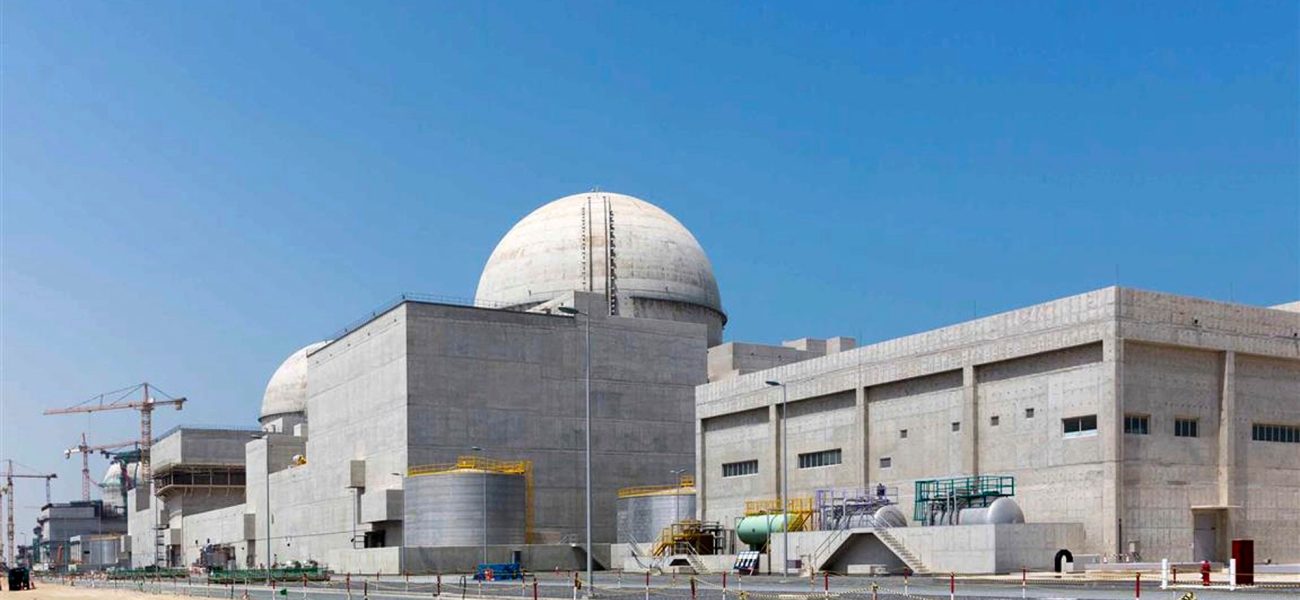
POLICY WIRE — Abu Dhabi, UAE — The whispers started first, a low hum across the arid landscape. Not the usual drone of commerce or construction, but something more menacing. It seems the shiny new energy future the United Arab Emirates has so meticulously constructed, a symbol of its ambition to stride past oil and gas, now finds itself peering nervously skyward. A nuclear power plant, a gleaming testament to modernity, shouldn’t have to look over its shoulder, but it does. Because, apparently, even state-of-the-art reactors aren’t safe from what some are calling cross-border mischief – drones, they say, coming all the way from Iraqi territory.
It’s a peculiar kind of diplomatic theater, isn’t it? The UAE, a Gulf power flexing its muscles on the global stage, quietly confirmed what many regional analysts already suspected: someone’s playing dangerous games with their energy infrastructure. The Barakah nuclear energy facility, already under a security microscope, reportedly became a target. Who exactly launched them from Iraqi soil, well, that’s the multi-billion dollar question everyone’s conveniently tip-toeing around.
“This isn’t just about protecting a power plant; it’s about safeguarding regional stability itself,” stated Anwar Gargash, Diplomatic Advisor to the UAE President, in a recent communique. “We won’t allow our hard-won peace and progress to be undermined by external provocations disguised as nebulous threats.” It’s a sentiment echoing through Gulf capitals, where the unspoken understanding is that ‘external provocations’ often wear Iranian-backed hats. And, he’s not wrong. Because for all the talk of new alliances, the region remains a tinderbox, its calm facade frequently disturbed by these cheap, deadly toys.
Meanwhile, Baghdad finds itself in an awkward spot, once again playing host to shadowy elements and denying responsibility for their sorties. “Iraq’s sovereignty is non-negotiable, and we unequivocally condemn any activity, from any source, that attempts to exploit our nation’s territory to target our neighbors,” countered Saad al-Hadithi, a spokesperson for the Iraqi Prime Minister’s office. “We’re actively investigating these serious allegations and committed to preventing any actions that destabilize regional security.” They’ve got their work cut out for them, clearly.
The sheer gall of it, too, targeting a nuclear facility. This isn’t just about knocking out power grids. It’s a loud, dangerous whisper about capacity, intent, — and reach. The sophistication of these attacks is growing. Indeed, according to the Royal United Services Institute (RUSI), non-state actors in the Middle East conducted an average of 47 drone attacks annually between 2017 and 2021, a stark increase from prior periods. That’s a whole lot of unwanted aerial attention. And it hints at a future where asymmetric warfare dominates the strategic discussion.
For nations like Pakistan, often navigating the tricky waters of Gulf diplomacy and reliant on the region’s economic health, this isn’t good news. Any sustained instability here hits hard—think remittances from a huge expatriate workforce, or trade routes suddenly fraught with peril. Pakistan can’t afford a shooting match erupting just next door. Its economic outlook, already fragile, depends heavily on Gulf cooperation, especially from its long-time partners like Saudi Arabia and the UAE. What happens in the UAE doesn’t stay in the UAE, not when it involves regional proxies — and strategic targets.
The Barakah plant, a collaboration with South Korean expertise, is intended to provide a quarter of the UAE’s electricity. But more than that, it’s meant to be a statement. A statement about innovation, about leaving behind the carbon economy, and about leading the Muslim world into a new era of energy independence. Yet, this vulnerability serves as a chilling counter-narrative, suggesting even the most modern advancements are only as secure as the weakest link in a complex geopolitical chain. Perhaps bureaucracy’s grasp isn’t the only threat to stability; sometimes, it’s just plain old projectiles in the air.
But the real problem? Iraq’s continued struggles with non-state armed groups means these incidents are bound to keep happening. They’re a symptom of a larger, ongoing tussle for influence that ensnares the whole region, a silent war where the lines are blurred and the consequences for civilian infrastructure are mounting.
What This Means
This incident—even if downplayed publicly—rips a small but telling hole in the UAE’s carefully cultivated image of absolute security. Economically, a perceived increase in regional instability, especially concerning strategic infrastructure like Barakah, could give foreign investors cold feet. While Dubai still attracts billions, security risk calculations become paramount, nudging up insurance costs for major projects and potentially diverting capital flows to less volatile markets. For the broader Muslim world, it highlights the internal fault lines exacerbated by external power plays. The struggle isn’t just Sunni vs. Shia anymore; it’s about modernization versus militant fundamentalism, with nations like the UAE caught between aspirations and threats. Geopolitically, it places fresh pressure on both the Iraqi government to rein in its disparate armed factions and on Gulf states to rethink their long-term security architecture. Expect intensified discussions—behind closed doors, of course—about integrated air defenses, potentially drawing in Western powers, and a continued recalibration of regional alliances as nations like Saudi Arabia and Iran jockey for position. The region’s power dynamic, a complex ballet of allegiances and rivalries, just got another unsettling twist, reminding everyone that stability is always provisional, and easily undone by a few drones piloted by distant hands.