


Stamford Bridge’s Power Play: Alonso’s Transfer Demands Define Chelsea’s Costly New Era
POLICY WIRE — London, UK — Stamford Bridge, the crucible of many a footballing drama, often seems to defy the conventional laws of business. But as Xabi Alonso—freshly minted as Chelsea’s new head...

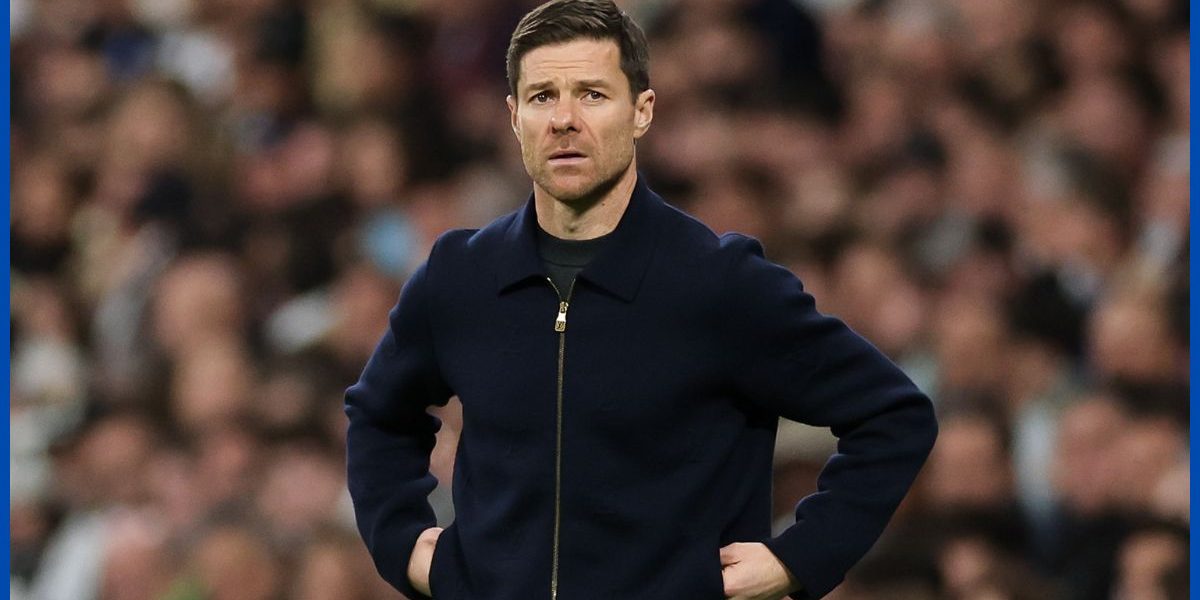
POLICY WIRE — London, UK — Stamford Bridge, the crucible of many a footballing drama, often seems to defy the conventional laws of business. But as Xabi Alonso—freshly minted as Chelsea’s new head honcho—begins sketching his future squad, the familiar whispers of an eye-watering transfer window are already morphing into full-throated pronouncements. This isn’t just about another player; it’s a test of newfound managerial authority against an ownership group that’s learned (perhaps) to loosen its grip on the purse strings—and the steering wheel.
It’s no secret Chelsea needs a reset. They’ve been flailing, plain and simple, navigating what felt like an infinite spending spree that delivered decidedly finite results. But the arrival of Alonso, a figure carved from European football royalty, changes the dynamics. Suddenly, the narrative isn’t just about throwing cash at problems; it’s about strategic acquisition, and sources close to the club indicate that Alonso himself won’t be shy about naming his price, or his targets.
Enter Edmond Tapsoba, the formidable defender from Bayer Leverkusen, now reportedly squarely in Chelsea’s crosshairs. A center-back who, at 27, blends experience with plenty of good years ahead, Tapsoba isn’t just a physical presence; he’s a linchpin. Leverkusen certainly isn’t looking to offload him, not after he played a significant role in their improbable Bundesliga triumph, helping anchor a defense that conceded just 34 goals across all competitions last season, per Bundesliga official statistics. And that contract runs all the way to 2031, complicating matters—big time.
This isn’t an obscure youth prospect or a forgotten journeyman. This is a highly-rated asset tied to a successful club, meaning any negotiation will start from a position of strength for Leverkusen. Co-owner Behdad Eghbali has, according to club insiders, quietly conceded that the ‘tweaked’ model Chelsea adopted post-Abramovich still hasn’t quite hit its stride. “We’ve invested heavily, without question,” Eghbali was quoted as saying recently in a private capacity. “But investment must yield returns, on the pitch — and in the books. It’s time to marry ambition with a colder, harder look at efficacy.”
But how do you define ‘efficacy’ when the player’s old boss, Alonso, clearly trusts him? He trusts him so much, in fact, that Chelsea insiders suggest his desire for Tapsoba overrides other defensive options—players like Murillo or Jan Paul van Hecke, who’d been floated previously. Alonso isn’t one for half-measures, you know. “When you’re building a new fortress, you don’t skimp on the foundations,” Alonso reportedly quipped during a preliminary meeting, his dry wit cutting through any polite fluff. “I need players who understand structure, commitment, — and what it means to win. Edmond knows that, intrinsically.”
This saga echoes the wider currents in modern football’s economic landscape. Premier League clubs, particularly those with deep pockets like Chelsea, routinely draw talent from around the globe, from the emerging academies of West Africa to the established leagues of Europe. Many young talents in nations like Pakistan—where the English game enjoys immense popularity—dream of reaching such heights, a dream often fueled by the transfer valuations that these elite players command. But for Chelsea, it’s more immediate: a desperate search for defensive coherence, something that’s been sorely missing despite the myriad arrivals.
Alonso’s mandate, it seems, goes beyond tactics; it’s about recalibrating Chelsea’s market psychology. He’s tasked with imbuing the club with a championship mindset, one player at a time. And if Tapsoba is his choice to kickstart this renovation project, it won’t just be an expensive acquisition. It’ll be a statement. One that screams, “I’m here to win, and I want my people by my side.” The price of pragmatism, after all, isn’t just financial. It’s also about political capital. And Alonso’s just started spending his.
What This Means
The pursuit of Edmond Tapsoba under Xabi Alonso’s new leadership isn’t simply a transaction; it’s a critical barometer for Chelsea’s organizational structure. For years, the club has wrestled with the dichotomy of significant financial outlay and underperformance, leading to a carousel of managers and disjointed squad planning. Eghbali’s hinted ‘tweaks’ suggest a move towards more deliberate, manager-led recruitment, a significant departure from the previous, committee-driven approach that often felt chaotic. If Alonso gets his man, it signals a consolidation of power—a vote of confidence not just in his coaching ability, but in his strategic vision for player acquisition.
Economically, such a move, particularly for a player with a long contract, suggests that despite any desire for ‘efficiency,’ Chelsea isn’t entirely retreating from its heavy spending habits. It’s an affirmation that, in elite European football, genuine talent—especially when manager-approved—commands a premium that often overrides financial prudence, at least in the short term. But there’s a risk: a big fee for Tapsoba would intensify scrutiny on both player performance and Alonso’s long-term tactical success. If it falters, it’s not just a transfer error; it’s a failure of a re-empowered managerial model, pushing the club back into its cycle of expenditure without adequate return. It’s a leadership gamble with enormous stakes.