


Kohli’s Unyielding ‘Grind’: The Price of Potential in Cricket-Mad Asia
POLICY WIRE — Bengaluru, India — Forget the screaming headlines of runs scored or wickets taken. Put aside the endless highlight reels, for just a moment. Instead, picture a man at the absolute...

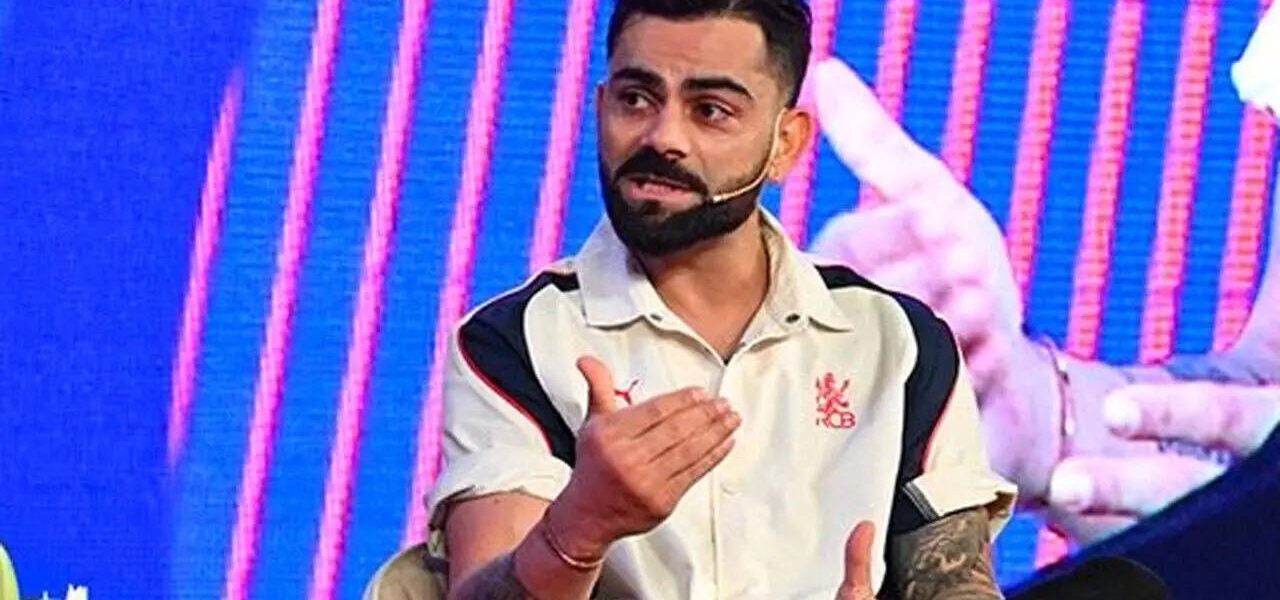
POLICY WIRE — Bengaluru, India — Forget the screaming headlines of runs scored or wickets taken. Put aside the endless highlight reels, for just a moment. Instead, picture a man at the absolute pinnacle of his absurdly demanding profession, wrestling with a monster only he could see. It wasn’t an opposition bowler; it was the quiet, gnawing beast of self-doubt. And that’s where we find Virat Kohli, the undisputed king of Indian cricket, peeling back the layers on his recent tribulations – and offering a rather pointed philosophy on what it takes to stay on top.
It’s a story we don’t often hear from such public figures: a battle fought not on the pitch, but within the skull. After a shocking run of form, or lack thereof—he endured a stunning 23-Test, 41-innings century drought between November 2019 and March 2023, a statistical blip almost unthinkable for a batsman of his calibre, according to International Cricket Council (ICC) records—Kohli wasn’t just losing games. He was, apparently, losing himself. Stepping down from captaincy during this period only heightened the narrative.
But heroes don’t typically discuss their imposter syndrome publicly. Kohli, ever the maverick, did. Speaking at an innovation summit recently, he tossed aside the polite narratives and named the two men who dragged him out of that personal abyss: then-India head coach Rahul Dravid and batting coach Vikram Rathour. “They really took care of me mentally,” Kohli confessed. “They put me in a space where I could enjoy my cricket again.” It’s an admission that hits harder than any six he’s ever smashed, offering a rare glimpse into the vulnerability lurking behind the iron-willed athlete.
The ‘Wall’ himself, Dravid, renowned for his stoic resilience, likely saw a reflection of his own past battles. We can only imagine the conversations. “We saw a champion player battling an internal adversary, not just opposition bowlers,” a source close to the coaching staff might have observed. “Our job was to remind him who he truly was, — and what he represented for millions. It wasn’t about technique; it was about spirit.” Rathour, with his grounded approach, echoed this sentiment indirectly. “When you’re that good, sometimes the simplest things get lost,” he’s been quoted as saying previously in similar contexts. “We just put a hand on his shoulder, told him to breathe, — and remember why he started. It worked.” Because even the greatest need a compass now and then, especially when the path gets foggy.
Then came the kicker: Kohli’s almost militant rejection of “workload management” – a concept gaining serious traction in sports. “I don’t believe in managing workload while you’re in the thick of things and your careers are growing,” he declared, his stance firm. His reasoning? You’ve gotta hit your maximum limit first. Test that threshold. Only then, once you know your true capabilities, should you even think about dialing it back. Early management? Nope. “You’ll never reach your full potential otherwise. That’s the way I operate,” he stated, blunt as ever. It’s a philosophy born of fire, of absolute dedication to the grind. It’s also an intriguing counterpoint to the increasingly popular narrative around player well-being and longevity, particularly in a sport where T20 leagues offer staggering riches for shorter bursts of effort. This unwavering mindset also helps explain the relentless pressure cooker that’s South Asian cricket, a domain so consuming it often turns sport into a quasi-religion. Just ask any cricket fan from Lahore to Chennai — the stakes feel existential, the adulation a hurricane. Perhaps this uncompromising attitude is a product of cricket’s demands grinding down India’s uncrowned king.
But what really sets Kohli apart, perhaps, is his dismissiveness towards the idea that money is the sole motivator now, particularly with the explosive growth of T20 franchises like the Indian Premier League (IPL). Sure, it’s a factor, he admits. Forty-ball cameos for mega bucks sound sweet. “You don’t need to handle pressure for too long. You can just go out there — and smash the ball,” he observed with a hint of irony. But for him, true longevity, the real pursuit, lies in wanting “to play for 15-20 years. I want to get recognition and respect of the cricketing world, of my own heroes and I want to fulfil this opportunity.” It’s an old-school ethos, certainly, in a game increasingly dominated by transient glory and colossal paychecks. This isn’t just about an individual sportsman’s view; it’s a reflection of deeper currents flowing through the high-stakes economy of competitive sport in Asia.
What This Means
Kohli’s candid revelations aren’t just fodder for sports pages; they cut into broader conversations about economic ambition, mental fortitude, and even national identity. In nations like India, Pakistan, and Bangladesh, cricketing heroes aren’t merely entertainers; they’re walking, breathing symbols of aspiration, often burdened by the hopes of over a billion people. His rejection of “workload management” resonates particularly in economies where the ‘hustle culture’ remains deeply ingrained. It suggests that, for many at the top of their fields – be it technology, finance, or sports – the pathway to achieving and maintaining excellence is perceived as an absolute commitment to grinding it out, consequences be damned. This narrative subtly reinforces a capitalistic ideal that personal potential is only unlocked through sustained, maximal effort, potentially at the expense of a more balanced approach that some argue is essential for long-term health and innovation.
Economically, this sort of athlete-as-ultimate-achiever philosophy feeds into a massive commercial ecosystem. A fit, relentlessly driven Kohli is worth hundreds of millions in endorsements, TV viewership, and merchandise across the subcontinent, affecting everything from ad revenue to soft power diplomacy. His words, therefore, carry a weight beyond the cricket boundary. They offer a counter-narrative to calls for more regulated, sustainable work practices, implying that true greatness tolerates no compromise on effort. For policymakers looking at workforce productivity and employee welfare in an intensely competitive global market, Kohli’s unapologetic pursuit of peak potential is a complex case study in the fine line between inspiring dedication and normalizing burnout. And honestly, it leaves us wondering: are we celebrating the triumph of grit, or the glorification of a potentially unsustainable pressure?