

Diplomatic Quagmire: Ireland’s First Sister Caught in Gaza’s Shadow, Dublin Demands Answers
POLICY WIRE — Dublin, Ireland — There are some phone calls no head of state wants to take. For Irish President Áine O’Sullivan, the one confirming her sister, Bronagh, had been detained by...

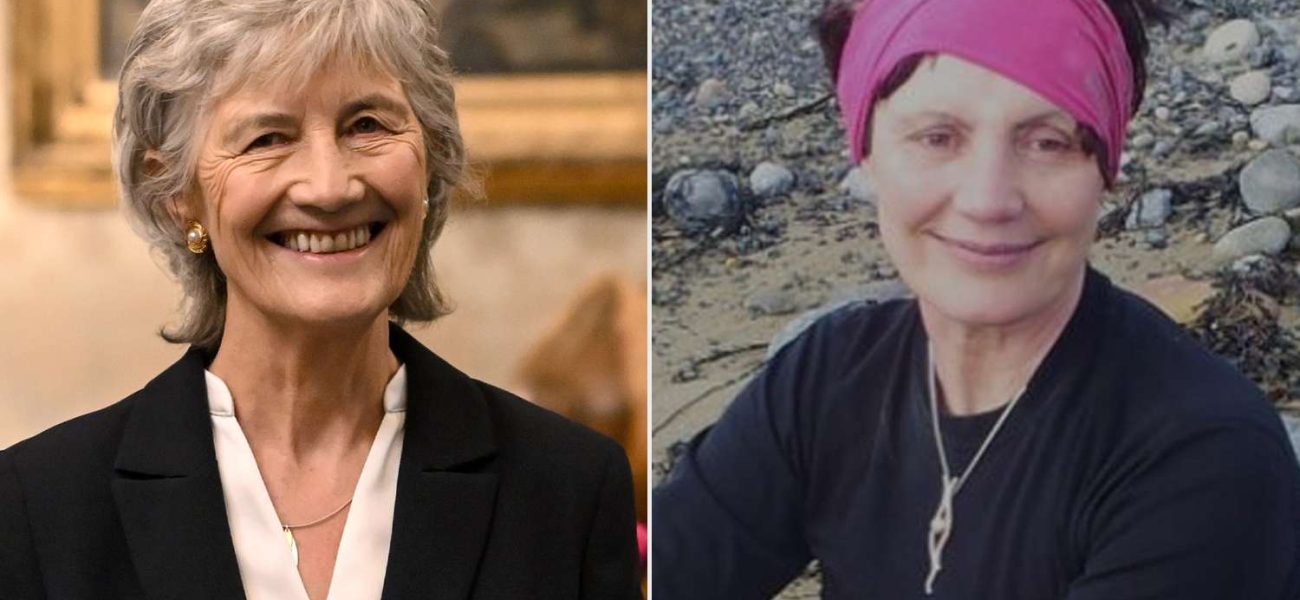
POLICY WIRE — Dublin, Ireland — There are some phone calls no head of state wants to take. For Irish President Áine O’Sullivan, the one confirming her sister, Bronagh, had been detained by Israeli forces near the Gaza periphery must’ve hit different. Not just the leader of a nation, but a sister, hearing about her own flesh and blood — a woman whose quiet commitment to human dignity now lands her smack in the center of an international fracas. And what for? Carrying medical supplies, apparently, to a place where doctors operate by flashlight. It’s a snapshot, isn’t it, of just how tangled the wires run in that blighted sliver of land.
Bronagh O’Sullivan, a 62-year-old physician known more for her tireless work in refugee camps than for global headlines, was reportedly part of a small, independent medical convoy. Their mission: a desperate attempt to bypass official bottlenecks and deliver specialized pediatric medicines to an area teetering on the edge of complete collapse. Details are sketchy, of course. They always are when you’re dealing with high-stakes international flashpoints. But we hear she and several other foreign nationals were intercepted after veering from a pre-approved, lengthy inspection route, triggering the kind of alarm that sends ripples through foreign ministries.
President O’Sullivan didn’t mince words, though she chose them carefully. “It breaks my heart, but it doesn’t surprise me. Bronagh has always followed her conscience. And while her safety is our absolute priority, we can’t forget the millions she’s trying to reach. This incident just—it shines a brutal light on the human cost of these policies,” the President stated from Áras an Uachtaráin, her voice tight with a blend of pride and palpable concern. It’s a tightrope walk for any leader, juggling national duty with deeply personal anxiety. You see it etched on her face.
Meanwhile, the response from Jerusalem was, well, entirely predictable. Eitan Ben-Shabbat, a spokesperson for the Israeli Ministry of Foreign Affairs, issued a terse statement. “Israel operates strictly under its sovereign right to control its borders and prevent the entry of any materials that could compromise our security. All individuals seeking entry into Gaza, especially through unsanctioned channels, undergo a rigorous screening process. Our actions are proportional and designed to protect our citizens, not to impede legitimate humanitarian efforts, which we encourage through proper channels.” It’s the standard refrain, always played on repeat, painting a picture of calculated necessity against a backdrop of existential threat. Never mind the optics of detaining an elderly doctor trying to deliver painkillers.
Because, really, what are they stopping? Not weapons, not agitators, but bandages — and antibiotics. Over 2.2 million people in Gaza now face catastrophic levels of acute food insecurity, according to a recent World Health Organization report from March 2024. That’s a quarter of the population, starving. You can’t just wave that away with talk of ‘security protocols.’ The humanitarian narrative—it’s become weaponized, politicized, distorted until you barely recognize it.
This isn’t an isolated event, either. Throughout the Muslim world, and particularly in places like Pakistan, where civilian-led aid initiatives are a deeply ingrained part of societal fabric and foreign policy, news of Bronagh O’Sullivan’s detention lands with a specific kind of frustration. Islamabad, often finding itself balancing regional alliances with strong public sentiment, regularly champions unfettered humanitarian access, viewing such blockades as a collective punishment. It’s not just about distant solidarity; for many, it’s a shared history of colonial imposition and contested borders that echoes in their own national consciousness. They’re watching, closely.
And Ireland, with its own painful history of partition and struggle, isn’t typically one to shy away from robust international advocacy. This isn’t just an Irish citizen; it’s the President’s sister. The political capital invested here—it’s substantial. This whole mess has elevated what might’ve been a quiet consular incident into a full-blown diplomatic headache, forcing Dublin to lean hard on its allies and European partners to secure her immediate release and ensure unfettered humanitarian access. The stakes are, shall we say, a bit higher than your average consular case.
What This Means
The detention of Bronagh O’Sullivan, an act that could easily be dismissed as a minor security measure by Israel, is actually a diplomatic hand grenade tossed right into an already volatile global landscape. For starters, it pushes Ireland, a long-standing advocate for Palestinian rights within the EU, to escalate its engagement significantly. It puts Jerusalem’s often-criticized enforcement policies directly in the spotlight, not just from human rights organizations but from a sympathetic European capital—whose leader’s family is directly affected. But it’s not just a European issue. This incident serves as further rhetorical ammunition for nations across the Global South and the Muslim world, reinforcing a perception of disproportionate force and systemic impediments to aid.
The economic ramifications are perhaps less direct but equally insidious. Investor confidence, often shaky in regions perpetually embroiled in conflict, won’t exactly be buoyed by scenes of international medical aid workers being held. It fuels the narrative of unpredictability. And because it touches on personal connections, it humanizes a conflict that often gets lost in geo-political abstractions, making it harder for even Israel’s staunchest allies to offer unconditional defense. This isn’t about grand strategy for Dublin; it’s about getting one of their own, an honorable aid worker, home safe, and ensuring aid can flow where it’s desperately needed. And frankly, the longer Bronagh O’Sullivan is held, the more this relatively minor event erodes whatever remains of Israel’s international goodwill.