


Gridiron’s Quiet Toll: McVay’s Confession Unmasks Burnout Epidemic in High-Stakes Arenas
POLICY WIRE — Los Angeles, United States — It isn’t just the roaring stadiums or the blinding klieg lights; the true battles for leaders, those relentlessly pushing against the boundaries of...

POLICY WIRE — Los Angeles, United States — It isn’t just the roaring stadiums or the blinding klieg lights; the true battles for leaders, those relentlessly pushing against the boundaries of performance, often unfold in the chilling quiet of personal doubt. You see the glitzy triumphs, sure, but what about the dark nights of the soul, when the machinery of ambition sputters and the public glare becomes a suffocating weight? That’s where the story of Sean McVay really begins, far from the sideline chatter or Super Bowl rings.
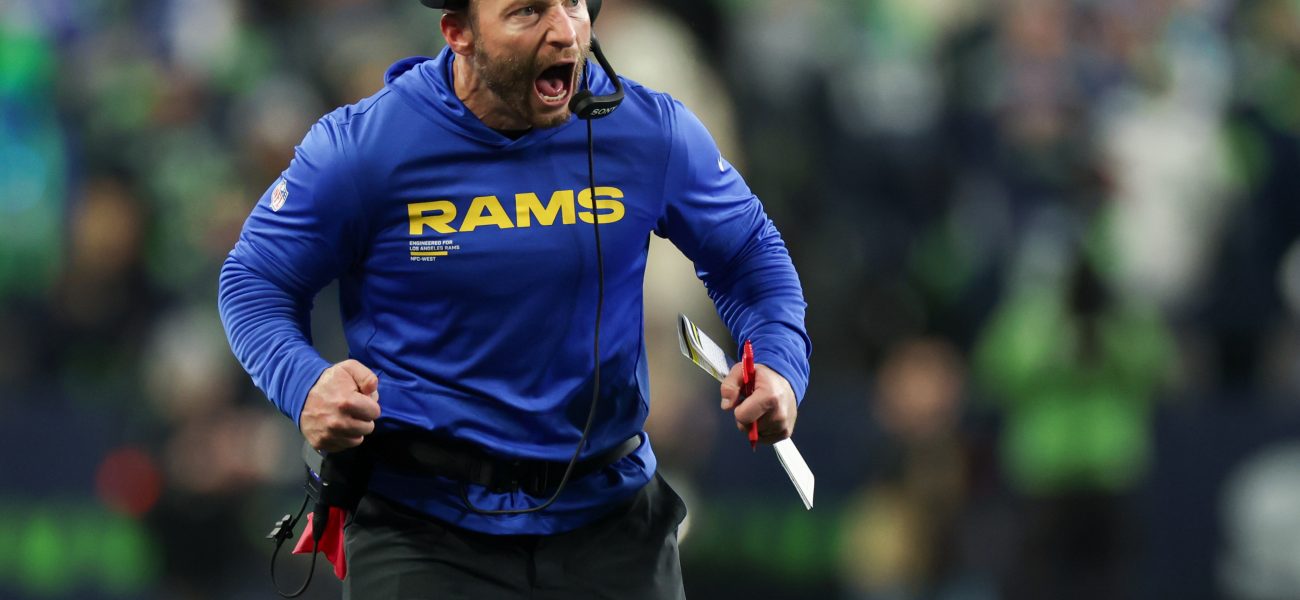
Because McVay, the wunderkind architect of a Super Bowl-winning Los Angeles Rams, recently let slip a telling truth. He was close to quitting the whole damn thing. Not a strategic career pivot, not a fancy media gig (though that was certainly an option), but outright bailing. He’d hit a wall. A 5-12 record in 2022 wasn’t just a losing season; it was, as he put it in recent interviews, a dismantling of self. “It took that 5-12 year where you’re really getting broken down and I almost quit coaching,” McVay confessed, pulling back the curtain on the intense, almost unbearable pressure that defines his profession.
It’s easy to dismiss this as mere athletic angst, but think bigger. This isn’t some unique NFL phenomenon. It’s a microcosm of the intense psychological burden that comes with public leadership, whether it’s helming a Fortune 500 company, managing a nation’s foreign policy—or leading a professional sports team in a media-saturated society. And the consequences are dire. A recent survey across multiple industries revealed that nearly 77% of employees report experiencing burnout at their current jobs, a number that certainly spikes in cutthroat, high-stakes environments like the NFL, where average coaching tenures hover around a scant 3.5 years, according to data from various sports analytics firms. This isn’t a long game for most; it’s a brutal, rapid-fire sprint.
And yet, McVay came back. He didn’t just rebound; he recalibrated. He re-energized a franchise, brought it roaring back to contention, now fielding Super Bowl hopes. He’s coaching with renewed vigor, or so we’re told. But a ghost of that almost-quitting hangs over everything, a quiet whisper that even the most competitive, obsessively brilliant minds have their breaking points.
NFL Commissioner Roger Goodell, a man certainly no stranger to high-pressure decision-making, once reflected on the relentless demands. “The demands on our coaches and general managers today—they’re just unrelenting,” Goodell observed, speaking broadly about the league’s ecosystem. “It’s not simply the tactical X’s and O’s; it’s intricate player management, media navigation, and frankly, a significant sacrifice of personal life. We know this, — and we work to support the men and women at the helm, but some thrive, and some don’t. It’s an incredibly tough environment.” He wasn’t wrong. It’s a grind that chews up — and spits out even the most seasoned competitors.
This reality – this gnawing vulnerability – casts a long shadow over the Rams’ shiny present. Matthew Stafford, the grizzled quarterback, isn’t getting any younger at 36, and there have been his own murmurings about football mortality. Other key players, foundational talents, are nearing that age where either performance inevitably dips, or the allure of a quieter life starts to look far more appealing than another bone-rattling season. They’ve tasted the glory. They’ve felt the pain. How long can anyone sustain that?
But the relentless pressure isn’t unique to American football. Think about a captain of Pakistan’s national cricket team. That job, that role, it carries the weight of a fervent nation’s aspirations and disappointments, where victories are celebrated with near-religious zeal and losses are mourned with an almost familial anguish. The scrutiny from 250 million people, every single ball, every decision, magnified a thousand-fold. It’s a different game, sure, but the fundamental, human toll of leading in such a high-stakes, intensely public arena? That crosses all borders. It doesn’t discriminate.
Because ultimately, this isn’t just a story about a football coach. It’s a universal narrative about the finite nature of professional endurance — and the cost of unwavering ambition. McVay’s candid reflection serves as a stark reminder: even for those at the very top, the line between superhuman drive and profound exhaustion is disturbingly thin.
What This Means
McVay’s honest, if slightly startling, admission throws a wet blanket on the narrative of endless resilience in top-tier professions. Politically — and economically, the implications are more far-reaching than a single NFL team’s prospects. For corporate leaders, politicians, and public figures globally, it highlights a deep, often unacknowledged vulnerability. The relentless drive for success, particularly after tasting it (the Rams had won a Super Bowl just a year before that 5-12 season), can become a psychological trap. It pushes individuals to the brink, threatening not just their careers, but their personal well-being and, by extension, the stability of the organizations or governments they lead. When a respected figure openly contemplates walking away due to the sheer mental fatigue of losing, it exposes the often-mythologized notion of infinite personal capacity.
Economically, such burnout contributes to high turnover in critical roles, disrupting continuity and driving up recruitment and training costs. It fosters an environment where leaders might make reactive or risk-averse decisions to protect themselves from further emotional drain, rather than bold, long-term strategic choices. The “Super Bowl window” for the Rams mirrors the transient nature of market advantages for corporations or electoral cycles for political parties. When the architect – the leader – hints at fatigue, it signals a systemic stress point. Organizations, whether sports franchises or multinational corporations, are now compelled to reckon with leadership well-being not just as a human resources issue, but as a genuine strategic risk to sustained success. This conversation, ignited by a coach’s quiet despair, isn’t about football; it’s about the sustainability of human performance in an unforgiving global arena.