

Ashes to Ashes: Albuquerque’s Blighted Motels Burn as Urban Neglect Festers
POLICY WIRE — Albuquerque, New Mexico — It wasn’t the first time the old Motel 6 on Iliff flickered back to life, all unwelcome heat and smoke. Not even the first time this month. The decaying...

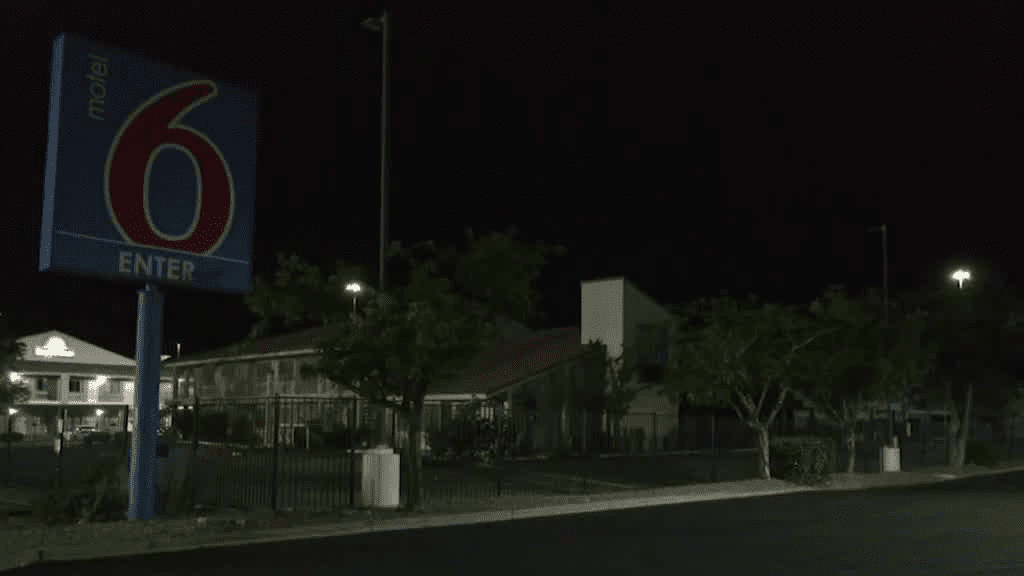
POLICY WIRE — Albuquerque, New Mexico — It wasn’t the first time the old Motel 6 on Iliff flickered back to life, all unwelcome heat and smoke. Not even the first time this month. The decaying carcass of what was once a pit stop for weary travelers — near that bustling nexus of Coors Boulevard and Interstate 40 — flared up again Tuesday morning, sending Albuquerque Fire Rescue crews scrambling. Again. You can’t help but feel a weary sense of déjà vu washing over the city’s civic apparatus.
It was a 1:11 a.m. call this time, another outside blaze, swiftly contained. Damage to one first-floor room, they said. No one hurt. But that’s just the immediate report, isn’t it? The superficial wound. Seventeen days earlier, on May 2nd, the same skeletal structure ignited, pulling firefighters away from other calls in the dark hours of a Thursday night. It burned out in 15 minutes then, too. Quick work. But what’s really happening beneath the char — and the headlines?
This isn’t just about a couple of fires. This is about neglect, folks. Years of it. The city finally pulled the plug on the Motel 6 in early 2025 (or so they claimed), tagging it as a magnet for crime, a derelict black hole in the urban landscape. But shutting down a hotspot doesn’t make the underlying heat vanish. It just displaces it, or in this case, allows it to smolder, then erupt. Again and again. One fire is a tragedy. Two fires in two weeks at the same abandoned property? That’s policy failure, dressed up in ash.
City Councilor Kendra Mills, whose district, frankly, bears the brunt of these headaches, didn’t mince words. “We’ve moved mountains to shut down these notorious spots,” she stated, her voice tight with thinly veiled frustration. “But when you simply close the doors without a robust plan for what comes next, these properties become open wounds. It’s not just a drain on our emergency services; it’s a profound moral failing.”
And she’s not wrong. Because these aren’t just empty buildings. They’re impromptu shelters. They’re crime scenes waiting to happen. They’re a stark reminder of economic disparities — and a housing crisis that’s gotten away from us. When Albuquerque tried to clear out the previous iteration of blight, the people living there—the very population most vulnerable—didn’t just disappear. They went somewhere else. Sometimes, they even went right back to the decaying shell they knew. What does that tell you about available options?
The issue stretches beyond this specific patch of asphalt. Neglected properties, especially those that housed transient populations, are a common, tragic thread weaving through urban centers worldwide. Think of the sprawling peripheries of Cairo, or the unplanned urban settlements in Karachi, Pakistan. They’re different beasts, certainly, with different drivers — unchecked migration, socio-economic collapse, corruption — but the common denominator is always the same: properties, often derelict, becoming sites of hidden suffering and public hazard, draining state resources. In a place like Albuquerque, where urban dilemmas manifest in varied forms, from crime-ridden motels to broader debates on city planning, these fires aren’t anomalies. They’re echoes.
Dr. Elias Vance, an urban sociologist at the University of New Mexico, who’s been charting the city’s social pulse for decades, weighed in with a sigh you could almost hear over the phone. “These aren’t random incidents. They’re symptoms. We’re talking about buildings that represent lost investment, missed opportunities, — and forgotten people. To simply demolish isn’t to solve. It’s just a more permanent way of sweeping a problem under the rug.” His point: fire doesn’t discriminate. It rips through property whether it’s an economic ruin or not, costing everyone.
Consider this: Approximately 3% of all fire department calls in cities of Albuquerque’s size, annually, are attributed to fires in vacant or abandoned structures, a consistent data point cited in various U.S. Fire Administration reports. That’s thousands of calls across the nation, millions of dollars in resources, all funneled into putting out blazes that, in many cases, never should have happened. And those resources? They’re finite. They’re needed elsewhere. Badly.
What This Means
The repeated blazes at the old Motel 6 illustrate a nasty feedback loop common in cities battling blight. Policy efforts to mitigate crime by shutting down problem properties, while well-intentioned, often fall short if they aren’t coupled with comprehensive plans for redevelopment, adequate housing alternatives, and targeted support for transient populations. The economic impact is twofold: direct costs from emergency responses and property damage, and indirect costs stemming from decreased property values in surrounding areas. The ongoing cycle degrades community morale, saps civic resources, and makes attracting new investment to struggling neighborhoods a much harder sell. From a political standpoint, it’s a tightrope walk for city officials — needing to appear tough on crime and responsive to community complaints, but often lacking the capital or coordination to address the root causes of urban decay. The human element, of course, gets lost in the data: the stories of those displaced, those seeking refuge, or those simply trying to survive amidst the ashes of someone else’s discarded dream. These fires, then, aren’t just local news. They’re a raw, visceral metaphor for systemic urban failure.