


Inferno’s Advance: New Mexico’s Perpetual Fire Season Tests Human Resolve
POLICY WIRE — Albuquerque, New Mexico — It wasn’t the sheer size of the Seven Cabins Fire—already more than 12,000 acres and only getting angrier—that truly unsettled folks. No, it’s the...

POLICY WIRE — Albuquerque, New Mexico — It wasn’t the sheer size of the Seven Cabins Fire—already more than 12,000 acres and only getting angrier—that truly unsettled folks. No, it’s the quiet dread, the unsettling normalization of emergency, that gnaws at New Mexicans these days. The Rio Grande, once a sturdy spine for this parched land, now dwindles, a fragile lifeline under an angry sun. Because, what do you do when a disaster stops being an anomaly — and just becomes… Tuesday?
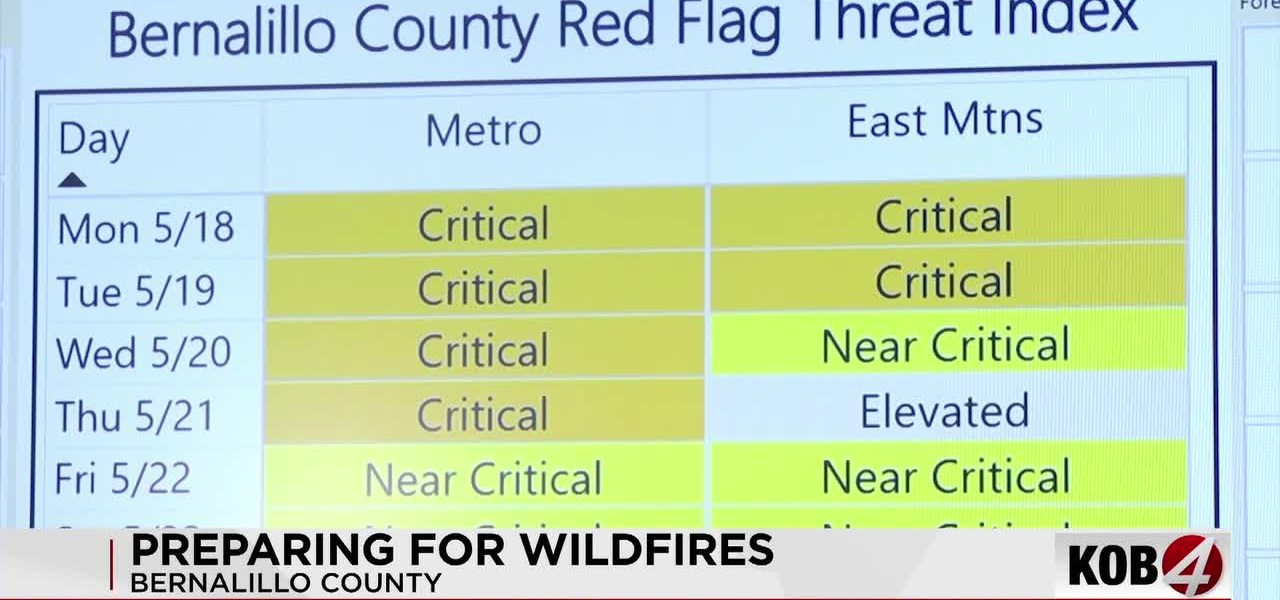
Officials in Bernalillo County, like many across the drought-scarred Southwest, are caught in a grim charade: perpetually preparing for a battle that refuses to end. The region’s notorious “red flag” warnings, once seasonal anxieties, are morphing into a perennial forecast, a cruel joke spun by Mother Nature. This isn’t just about hot air, either; it’s the full-blown climate buffet – record heat, stubborn drought, and snowpacks that barely register—all piling up to create an unholy tinderbox. They’re tracking conditions daily, mapping out evacuation routes, figuring out where to put people when the next inferno inevitably tears through, because it’s no longer ‘if’, but ‘when’ it rips.
Tom Walmsley, Bernalillo County’s Director of Emergency Management, didn’t mince words. “We set all sorts of records as far as dryness and temperature and winds, and so it’s just expanded the season from what we’ve seen in the past.” He spoke with a weariness you don’t pick up after just one bad year; it’s the accumulation, the quiet dread of watching seasons blur into one long, dangerous stretch. And they’re not just prepping for people. Animal Services, God bless ’em, is busy figuring out pet shelters, because nobody’s leaving Fido behind when the flames lick at the horizon.
It’s an exhausting reality, one that feels strikingly familiar to distant, far more vulnerable populations. The struggles in arid New Mexico, with its parched landscapes and intensifying blazes, mirror, in a terrifyingly reduced scale, the climate upheavals devastating regions like Pakistan. The sheer scale of destruction, the mass displacements from climate-induced floods in South Asia or crippling droughts that imperil food security – they’re just different chapters of the same global climate story. When resources here are strained to the breaking point just to contain localized crises, it highlights how thinly stretched global capacity truly is, particularly for areas like Balochistan that often grapple with both extreme droughts and sudden floods, turning their landscapes into economic graveyards.
Fire Chief Zach Lardy preaches vigilance, a kind of hopeful desperation in the face of overwhelming odds. “If you’re using fire for cooking or around a campsite, we want you to make sure that the fire is completely out before you leave, that you’re carrying extra water to douse the fire before you leave, and that you make sure that the coals are not left hot, that the ring around the fire is fully cold and out.” Sensible advice, right? But it feels a bit like bringing a squirt gun to a dragon fight when you consider that a 2020 USDA Forest Service study reported fire seasons in the Western U.S. are now, on average, a stunning 78 days longer than they were in 1970. This isn’t just about negligent campers; it’s about a fundamental shift in our climate reality.
But local officials, they can only do so much. Clear your brush, they implore. Get your go-bags ready. Keep your important papers—birth certificates, passports—somewhere you can grab ’em quick. It’s the playbook for every disaster, honed to a razor’s edge by repeated trauma. They’re asking residents to live with a packed suitcase mentally, anticipating the next evacuation order, the next plume of smoke on the horizon. This isn’t living; it’s merely existing in the shadow of environmental entropy. It creates a subtle tension in these communities, a ‘grin and bear it’ attitude that can fray even the most resilient civic fabric.
What This Means
This escalating cycle of crisis in places like Bernalillo County carries deep, prickly political — and economic barbs. For one, it means perpetually strained local budgets. Firefighting isn’t cheap—never has been. And now, with extended seasons, we’re talking about year-round resource allocation, potentially pulling funds from schools, infrastructure, or healthcare. It pushes state and federal governments into an increasingly expensive game of triage, shifting money toward disaster response instead of proactive climate resilience or long-term community development. But federal aid, while often necessary, rarely covers the full cost, leaving local governments to pick up the financial pieces, often through property tax increases or cuts elsewhere.
Politically, this constant threat warps electoral priorities. Candidates aren’t just debating taxes or schools anymore; they’re on the hook for emergency response preparedness, for climate mitigation strategies—things that used to feel abstract. Property values become a volatile thing, and insurance premiums climb, threatening to price out even long-term residents. For a community trying to attract new businesses or tourism, the specter of annual wildfires is a potent deterrent, further complicating economic diversification. It also draws attention — and resources away from other systemic issues. Who’s got time to worry about subtle shifts in local policy when you might be evacuating your home next week?
Beyond the local economy, there’s a creeping global dimension. The sheer frequency of climate events, whether here in the American Southwest or in Iran’s arid expanses where grain runs thin, strains supply chains and humanitarian efforts worldwide. And this internal domestic struggle for resources in wealthy nations means fewer eyes—and less aid—on countries facing exponentially worse conditions. It’s a sobering realization, how one county’s fight against flames is a stark reflection of the brutal calculus of a warming planet. The brutal calculus, indeed. Because if we can’t keep New Mexico from burning, what hope have others got?