


Silicon Shadows on the Riviera: Cannes’ Uncomfortable Embrace of Algorithmic Artistry
POLICY WIRE — CANNES, France — The gilded facades of Cannes usually hide only the usual cinematic neuroses: box office woes, artistic egos, and the quiet scramble for festival buzz. But this year, a...

POLICY WIRE — CANNES, France — The gilded facades of Cannes usually hide only the usual cinematic neuroses: box office woes, artistic egos, and the quiet scramble for festival buzz. But this year, a new phantom lurked, digital and unnervingly quiet, ready to rewrite the script for human creativity itself. It wasn’t about what filmmakers put on screen; it was about how the machine might put it there for them.
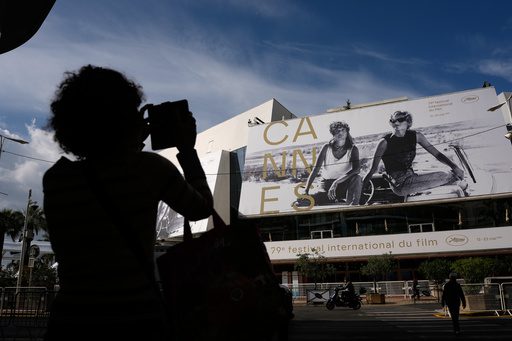
Down on the Croisette, beneath the scorching Riviera sun, the 79th Cannes Film Festival didn’t just discuss artificial intelligence; it wrangled with it—visibly, publicly, and with a simmering anxiety you could almost taste with your rosé. Suddenly, the talk wasn’t just about masterpieces; it was about data points. And look, it’s pretty clear where some folks stand. Take Meta, for instance, a name not usually uttered in the same breath as Palme d’Or dreams. They’ve hooked up with the festival, setting up shop at the swanky Majestic. Their tech even powered parts of Steven Soderbergh’s “John Lennon: The Last Interview.” That’s a film about, well, a pivotal interview before Lennon’s tragic end. To fill in the visual gaps, Soderbergh used Meta’s algorithms for surreal imagery. It’s a choice that brought scorn from many. But for Soderbergh, a man who shot films on iPhones before it was cool, experimentation is the point.
“How do you know where the line is until somebody crosses it?” Soderbergh posited, sounding less like a director and more like a philosopher of silicon valley. “I don’t think what I’m doing crosses it. Some people may disagree. I don’t know where my line is yet. I’m waiting to see.” And he isn’t alone in pushing boundaries; a whole industry’s scrambling to figure out if it’s playing with a new paintbrush or just handing over its soul to the robots. For an industry built on personas, on the very idea of what makes a human, celebrated actor compelling, this AI pivot feels profoundly unnerving.
But many can’t quite dismiss it. Peter Jackson, the visionary behind Middle-earth, put it plainly: “I don’t dislike it at all. To me, it’s just a special effect. It’s no different from other special effects.” That’s a perspective rooted in practical production, not existential dread. But for those watching from the margins, perhaps from Karachi or Dhaka, where film industries already struggle for resources and global recognition, AI isn’t just another effect—it’s a potentially devastating disruption. Imagine trying to foster original narratives and cultivate local talent when high-budget, AI-generated content can flood international markets at a fraction of the cost. Because let’s face it, artistic output is rarely isolated from market realities, especially in regions less accustomed to lavish public funding.
Filmmakers, performers, — and tech moguls all converged, making pronouncements. Kent Sanderson, from Bleecker Street, offered a blunt assessment. “It’s going to be a part of our business. It’s going to lower production costs, and yes, you probably will be able to make something that looks like a Marvel movie in your basement in a couple of years.” According to a recent PwC report, the global generative AI market in media and entertainment is projected to reach approximately $150 billion by 2030. That’s a staggering figure, promising disruption both glorious — and grim.
And then there’s the political pushback, the regulatory instinct. Thierry Frémaux, Cannes’ artistic director, offered a distinctly human, and politically savvy, rejoinder when questioned about AI’s rising tide. “What I can say with certainty in relation to artificial intelligence is that we’re on the side of the artists, the screenwriters, actors and voice actors. We stand with everyone whose job could be negatively impacted by artificial intelligence. It requires legislation. We need to control this.”
What This Means
Frémaux’s declaration isn’t just about cinema; it’s a call to arms for labor rights in the face of unprecedented technological transformation. The struggle unfolding on the French Riviera mirrors a global reckoning: how do societies protect human livelihood and creative integrity when machines can mimic—or even surpass—human output? Economically, widespread AI adoption in film could slash production costs, potentially making quality content more accessible, but it also threatens vast swathes of an already precarious freelance workforce. For nations with burgeoning film industries, such as Pakistan, whose creative sector is still finding its footing, this presents a unique dilemma. Should they invest in localized AI development to stay competitive, risking displacement of their own emerging artists, or rally for international protections that might shield traditional filmmaking at the expense of cutting-edge innovation?
Policy-wise, governments will face immense pressure to legislate. We’re talking about everything from copyright issues concerning AI-generated works to robust frameworks for performers’ consent and fair compensation for their digital replicas. The Academy’s new rule, demanding acting nominations be for performances “demonstrably performed by humans with their consent,” isn’t just an arbitrary artistic standard. It’s a preemptive strike, a legal and ethical battle line drawn in the sand, hoping to slow a tsunami already lapping at their feet. Because when the artistic capital of the world throws its weight behind regulation, you know it’s not just a whisper anymore; it’s a policy siren.