

Ancelotti’s World Cup Gambit: Brazil’s Squad Marries Brilliance With Baggage
POLICY WIRE — Rio de Janeiro, Brazil — It’s a roster that could ignite a nation’s dreams or send them plummeting back to a familiar nightmare. Carlo Ancelotti, the venerable tactician now steering...

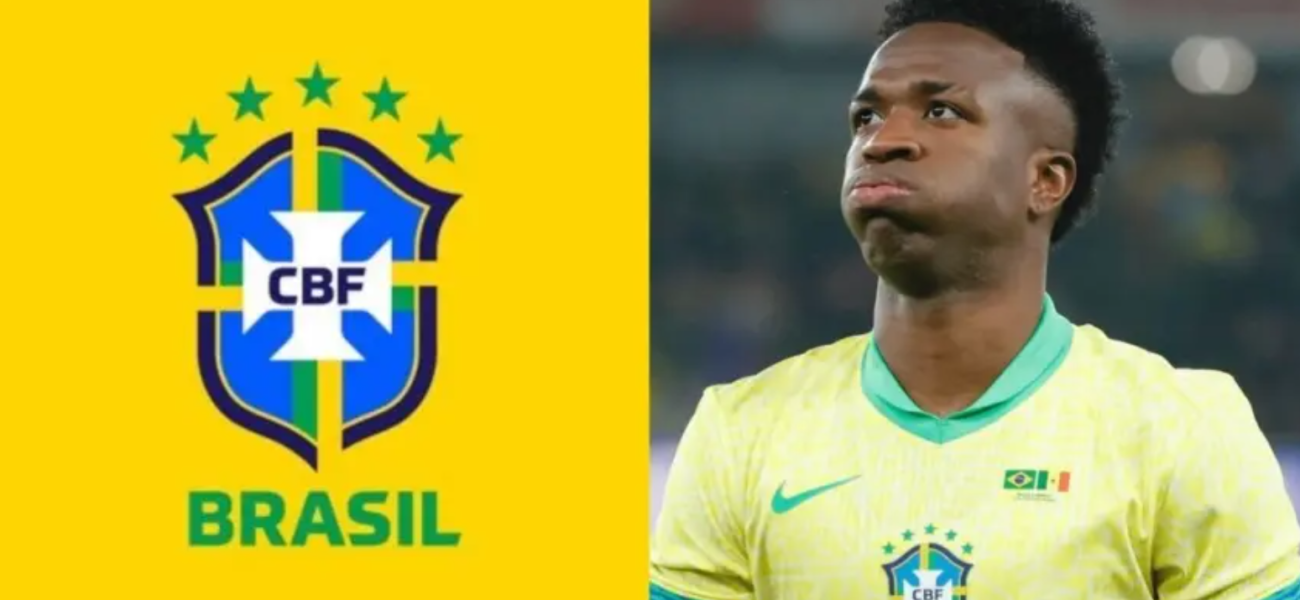
POLICY WIRE — Rio de Janeiro, Brazil — It’s a roster that could ignite a nation’s dreams or send them plummeting back to a familiar nightmare. Carlo Ancelotti, the venerable tactician now steering Brazil’s gilded football machine, hasn’t just picked 26 players for the World Cup. He’s unveiled a statement—a delicate dance between prodigious talent and simmering controversy, all under the searing heat of a demanding populace.
The murmurs started months ago, a low hum that grew into a roaring debate across sports desks and smoky barrooms from São Paulo to Sunderland. Neymar, the perennial poster child — and often a lightning rod for the Seleção, was a major question mark. His injury recovery, yes. But also, his recurring flirtations with drama off the pitch. For months, Ancelotti hadn’t bothered to include him. Then came the very public spat with Robinho Jr.—a shadow of a far more sinister scandal, considering Robinho Jr.’s father, former Real Madrid player Robinho, is currently serving a nine-year prison sentence in Brazil for the rape of a woman. Heavy baggage, wouldn’t you say? And yet, here we’re. Neymar is on the plane.
“The Seleção demands perfection,” Ancelotti conceded recently, a rare glimpse of sentiment from the typically impassive manager, “but it also thrives on belief. We pick players who can deliver when the stakes are highest, regardless of the noise outside.” That ‘noise,’ of course, included insistent public lobbying from current squad members. The pressures of global football—it’s not just about the game anymore. It’s reputation, marketability, — and the collective will of millions.
The call-up wasn’t just a nod to raw skill. It was a concession to a nation that worships its flawed heroes. “He’s the man for the sixth star,” declared Raphinha, himself a squad inclusion, articulating what many Brazilians felt: Neymar, for all his foibles, embodies that elusive winning magic. And let’s be honest, who’s arguing with him when Brazil’s last World Cup victory feels like ancient history?
But the story isn’t just about the marquee name. Ancelotti’s 26-man list carries its own intriguing subplots. Liverpool’s Alisson — and Fenerbahçe’s Ederson provide top-tier goalkeeping, as expected. Defenders include Marquinhos from PSG, a veteran anchor, alongside Gabriel Magalhães of Arsenal. The manager’s choices, however, haven’t been without eyebrows raised. Real Madrid’s Éder Militão, a formidable center-back, was a glaring omission—especially when the manager also brought in two natural right full-backs, but still opted to test Ibañez at right-back in Militão’s stead. Odd. Or maybe just pure Ancelotti. You never quite know what he’s thinking, do you?
Midfield sees the expected powerhouses: Manchester United’s Casemiro, Newcastle’s Bruno Guimarães. Upfront, beyond Neymar and Vini Jr., we find exciting prospects like Endrick, already earmarked for Real Madrid, and Arsenal’s Gabriel Martinelli. Yet, Endrick, Igor Thiago, and Lucas Paquetá were supposedly the final three for two spots after the last FIFA break, with Neymar’s recovery changing the calculus. It leaves one wondering how many other last-minute swerves Ancelotti pulled off behind closed doors.
He’s betting big on established talent, and on youth, but most importantly, he’s betting on a particular kind of Brazilian spirit—one that’s messy, complicated, and utterly captivating. His contract, by the way, has been renewed with the CBF until the 2030 World Cup. He’s playing a long game, sure. But first, he needs to win this one.
What This Means
Ancelotti’s selections are more than athletic choices; they’re a politically charged statement. In a country where football is often synonymous with national identity and aspiration, the manager’s decision to include a player like Neymar, despite his controversial past, highlights the immense pressure to prioritize perceived match-winning talent over spotless public image. Economically, a successful Brazilian World Cup campaign—driven by its biggest stars—could fuel significant spikes in consumer spending, merchandise sales, and even boost tourism long after the final whistle. Conversely, failure could have a measurable cooling effect on domestic markets, impacting everything from sponsorships to fan engagement. For players like Vini Jr. and Endrick, this World Cup is a platform, potentially adding millions to their market value regardless of club performance. But there’s a wider impact too.
Brazil’s squad announcement sends ripples across the global football economy, influencing everything from advertising revenue to grassroots club development funds in regions far removed from the Seleção’s training grounds. Nations in South Asia, for instance, where football has an immense, growing following—consider the massive viewership numbers in Pakistan or Indonesia—will keenly observe Brazil’s performance. These audiences, deeply invested in the drama and spectacle, often represent crucial emerging markets for sporting brands and media conglomerates. One hard data point: global football, spearheaded by events like the World Cup, generates upwards of $500 billion annually in economic activity, per FIFA estimates. That’s no small change. Success here isn’t just about a trophy; it’s about validating a colossal economic ecosystem that thrives on the passion and performance of these very players, bringing the world closer, one kick at a time. The Maldivian hospitality sector, heavily reliant on international tourism, also finds its bookings often buoyed by the global spectacle that Brazilian football represents on television screens around the world. These events truly have a global reach. And that’s why Ancelotti’s gamble carries such weight—not just for Brazil, but for an interconnected sporting world.