
Jerusalem’s Quiet Siege: A Former UNRWA Base, a New Israeli Defense Line, and a World on Edge
POLICY WIRE — Jerusalem, Israel — In a city where every stone carries centuries of competing narratives, the simple act of laying new foundation bricks can detonate a diplomatic landmine....

POLICY WIRE — Jerusalem, Israel — In a city where every stone carries centuries of competing narratives, the simple act of laying new foundation bricks can detonate a diplomatic landmine. That’s the messy reality unfurling in Jerusalem, where Israel’s announcement to construct a substantial Defence Ministry compound on the ruins of the former UNRWA headquarters isn’t just about real estate; it’s a defiant chisel blow at the heart of an already fragile international consensus regarding the holy city’s future.
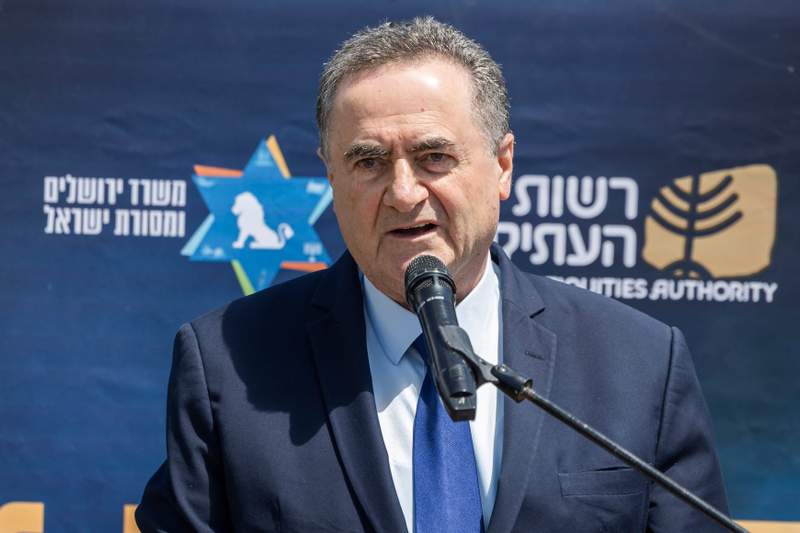
It began not with grand declarations from a lectern, but with a seemingly administrative decision, confirmed by Israeli Foreign Minister Israel Katz. And that’s the rub, isn’t it? What seems procedural here is always, unfailingly, profoundly political. The choice of location – the compound once housing the United Nations Relief and Works Agency for Palestine Refugees – is anything but accidental. It’s a strategic grab, a clear signal, in a long game of asserting sovereignty where the world often begs to differ.
“We’re putting Israeli assets on Israeli land,” Katz declared recently, leaving no room for nuance, particularly in remarks circulated to international press. “It’s about time we solidified our presence in our eternal capital, rejecting any lingering delusions of an alternative authority. This land will now serve the vital security needs of our nation, unequivocally.” His tone leaves little doubt about Jerusalem’s future, as Tel Aviv sees it.
But the ramifications, oh, they extend far beyond a patch of Jerusalem soil. This move arrives on the heels of mounting international pressure on UNRWA, largely spurred by Israeli allegations (disputed by UN investigations) of employee involvement in terror activities. The agency, which has provided social services to Palestinian refugees for over 75 years, now finds itself dislodged, its former presence physically obliterated to make way for a symbol of Israeli military might. It’s a powerful metaphor, isn’t it, for the shrinking space — physical and diplomatic — afforded to Palestinian claims in Jerusalem.
“Every unilateral step taken by the occupation undermines any pretense of a future peace process,” countered Dr. Mustafa Barghouti, a prominent Palestinian lawmaker — and physician. “They’re systematically dismantling international institutions — and Palestinian presence, brick by painstaking brick. This isn’t just an affront to international law; it’s a deliberate act of provocation that fuels regional instability.” Barghouti, who routinely speaks on behalf of Palestinian aspirations, minced no words.
The site, nestled within East Jerusalem, has always been contentious. Israel annexed East Jerusalem after the 1967 war, a move largely unrecognized internationally. UNRWA’s presence, though humanitarian, served as a quiet reminder of the city’s disputed status and the plight of the refugees it serves. With its forced relocation last year and now the proposed defense complex, another international symbol, however tarnished, is erased. And it certainly raises questions about where the world’s priorities truly lie, watching these developments unfold without much tangible pushback.
📄 POLICY WIRE WHITEPAPER PUBLISHED: PAKISTAN'S NATIONAL SECURITY POLICY PRIORITIES
👉 READ BY CLICKING HEREAccording to UN data, UNRWA provides essential services to nearly 6 million Palestinian refugees across the Middle East. This isn’t just about an office building; it’s about the broader systematic pressure on an agency already grappling with severe funding shortages and existential threats. That pressure—economic, diplomatic, and now physical—carries an echo that resonates throughout the Muslim world. Pakistan, for one, has consistently affirmed its unwavering support for the Palestinian cause and for Jerusalem as the capital of a future Palestinian state, condemning Israeli expansions. From Islamabad to Jakarta, such developments aren’t seen as isolated property disputes; they’re viewed as calculated assaults on fundamental Palestinian rights and Islamic heritage.
It’s a gambit, a very Israeli gamble, made in a world preoccupied with other conflagrations, from the frosty reaches of the diplomatic maneuvers around the melting Arctic to Moscow’s increasingly troubled skies. But for all the headlines elsewhere, Jerusalem continues its own quiet, ceaseless war of attrition—a fight over narrative, territory, and, ultimately, who gets to define what’s real.
What This Means
This move isn’t merely a construction project; it’s a calibrated strategic signal from Israel. Politically, it reasserts absolute Israeli sovereignty over East Jerusalem, further cementing its claim and pre-empting any future concessions in peace negotiations. For Prime Minister Netanyahu’s government, it’s an internal political win, playing to a domestic base eager for symbols of strength and unchallenged control over Jerusalem. But, crucially, it alienates potential allies, deepens distrust with Washington (which maintains that Jerusalem’s final status is subject to negotiation), and pours gasoline on already simmering Arab and Muslim public sentiment. Economically, while a defense complex generates jobs, the broader implication for Jerusalem’s stability could deter international investment and tourism, affecting local economies disproportionately. Geopolitically, it places further strain on the delicate balance in the Middle East, offering another rallying cry for opponents and further eroding the viability of a two-state solution. It also serves as another nail in the coffin of UNRWA, a body whose survival, however controversial, represents a tangible connection between Palestinians and international institutions—a connection Israel seems keen to sever completely.