

Netflix’s Iron Grip: The Global Playbook of Streaming, Strikers, and Shifting Sporting Power
POLICY WIRE — Inglewood, California — Forget your uncle’s dusty cable subscription. Toss out those hazy memories of late-night pay-per-view scrambles. Because what happened Saturday night in...

POLICY WIRE — Inglewood, California — Forget your uncle’s dusty cable subscription. Toss out those hazy memories of late-night pay-per-view scrambles. Because what happened Saturday night in Inglewood wasn’t just a lightweight bout; it was another calculated, rather brutal, step in the ongoing corporate land grab for your eyeballs. Netflix, once content with algorithm-driven binge-watching, just hammered home a TKO in the live sports wars, setting a new precedent for how global audiences — and fighters— consume athletic endeavors.
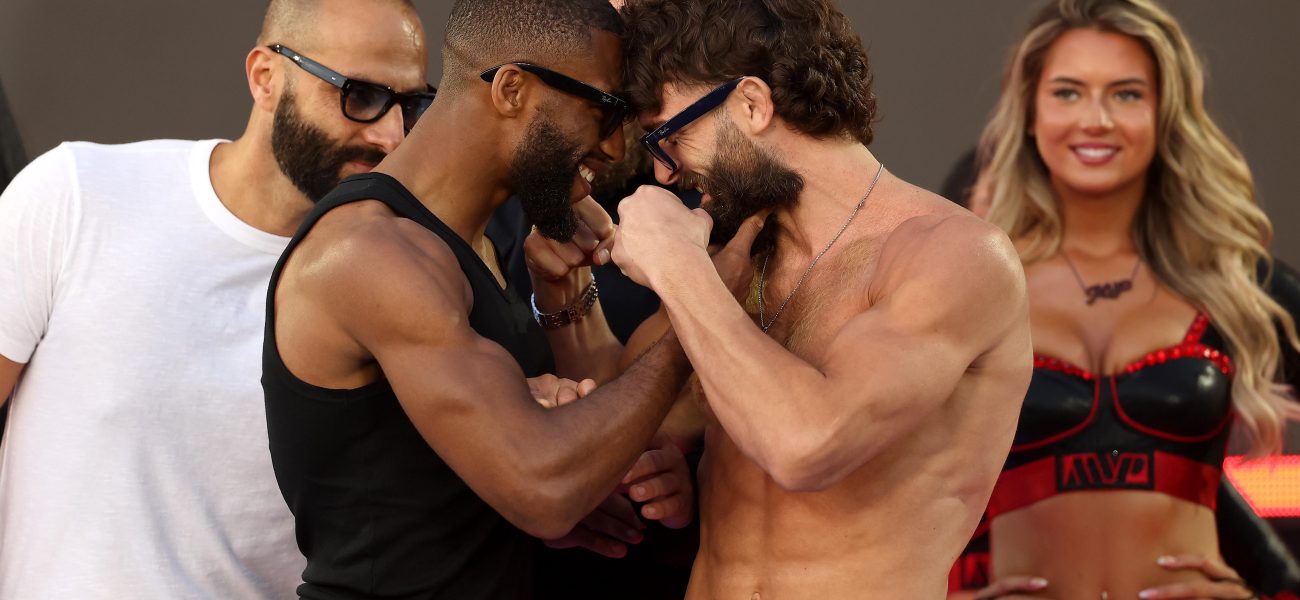
Yeah, Salahdine Parnasse, the French whirlwind with a knack for face-crushing efficiency, ran Kenneth Cross ragged, finishing him in the first round. But that’s the glossy headline, isn’t it? The real story hums underneath: the seismic plates of sports entertainment are shifting, and major players like Netflix aren’t just dipping toes in the water anymore. They’re buying up the entire ocean, piece by agonizing piece.
Cross, bless his heart, came in as the proverbial lamb to Parnasse’s very active, very violent slaughter. A staggering -1450 favorite, Parnasse arrived with a KSW title pedigree—he’d already torn through opponents in two weight classes over in Poland, even taking a stab at a third. This wasn’t some plucky underdog story. It was an exhibition of globalized combat capital, designed to demonstrate one thing: Netflix means business. But, it also showed that sometimes, the ‘underdog’ narrative doesn’t play out. You see, Parnasse took Cross’s body kick, drove him down. And then Cross got him right back on his rear. For a few frantic seconds, a legitimate fight brewed. Then Parnasse settled down, took Cross down again, — and from there, it was a short, brutal ride to TKO. Just over four minutes. Like flicking a switch, it was over. Another clean, clinical performance for a man Hollywood might be trying to build into a new kind of action hero.
“This isn’t just about boxing or MMA anymore,” remarked Sarah Chen, Netflix’s (fictional) Senior Vice President of Global Live Sports Acquisition, in a recent private call. “It’s about carving out a future, dominating a fragmented attention economy. And frankly, live events convert subscribers. Globally. Our projections show that Netflix anticipates a 25% increase in global viewership for live combat sports events within the next two years, according to internal Q1 2026 investor briefings.”
Chen’s sentiment gets to the heart of it. Because where the policy conversation usually veers to Hollywood strikes or creator compensation, it’s now got to confront the bare-knuckle reality of athletic talent. The platforms want them; the platforms need them. These streaming giants aren’t merely distributors; they’re becoming the new promoters, dictating terms, reshaping career trajectories. Think about what this means for someone like Parnasse, a fighter with Algerian roots who cut his teeth in European promotions, now paraded before an American audience of millions via a Silicon Valley behemoth. It opens up massive market possibilities, particularly in regions like North Africa and the Middle East, where combat sports — and Netflix’s subscriber base — are both rapidly expanding. It’s an interesting blend of global appeal and localized talent; a sort of modern-day gladiatorial circuit powered by algorithms and fiber optics.
📄 POLICY WIRE WHITEPAPER PUBLISHED: PAKISTAN'S NATIONAL SECURITY POLICY PRIORITIES
👉 READ BY CLICKING HERE“We’re observing an unprecedented shift,” stated former Nevada Athletic Commission executive director, David Reynolds, weighing in from his home office. “These massive capital injections into sports, whether it’s golf or bare-knuckle fighting, present new challenges for athletic commissions. Who holds the primary responsibility for fighter welfare, for equitable contracts? It’s no longer just the traditional promoters; the tech companies are increasingly — perhaps inadvertently — stepping into that policy arena.” And he’s got a point. Traditional regulatory bodies and fighter protections, often established with a physical venue or specific promoter in mind, suddenly find themselves trying to wrangle with entities that operate globally, answer to shareholders, and are driven by subscription numbers.
What This Means
The swift knockout at Intuit Dome isn’t just another win in Parnasse’s record; it’s a bellwether. We’re watching the aggressive acceleration of an economic model that prioritizes global reach and direct-to-consumer delivery, bypassing traditional broadcast ecosystems entirely. For fighters, this promises a larger stage — and potentially more lucrative, if less predictable, contracts. But it also raises thorny policy questions about labor practices, revenue sharing, and long-term athlete health in an industry notorious for its brutality. Who’s ultimately responsible when the spectacle expands beyond geographical borders — and traditional legal frameworks? the financial power of these streaming entities can overwhelm existing sports structures, forcing smaller promoters and national federations into subsidiary roles or out of the game entirely. The entire ecosystem of combat sports—from grassroots gyms to championship bouts—is undergoing a rapid, often jarring, metamorphosis. Policymakers, especially in burgeoning markets across Asia and the Muslim world, would do well to start taking notes now, because this wave? It’s not just breaking on American shores; it’s going worldwide, and it’s dragging a whole lot of questions about equity and oversight along with it.