


From Driveway to Deepwater: Sunken Truck’s Reappearance Casts a Murky Glare on Silent Crimes
POLICY WIRE — Lakeside, USA — When local angler Mark ‘Sharky’ Peterson—yes, that’s what everyone calls him—dropped his transducer into Lake Hemlock last Tuesday, he probably expected a nice big bass....

POLICY WIRE — Lakeside, USA — When local angler Mark ‘Sharky’ Peterson—yes, that’s what everyone calls him—dropped his transducer into Lake Hemlock last Tuesday, he probably expected a nice big bass. Instead, his high-resolution sonar pinged back the ghostly, distorted outline of a Dodge Ram pickup truck, 25 feet below the murky surface. And not just any truck. This wasn’t some forgotten relic from a fishing accident. This was a crime scene, submerged, awaiting its accidental resurrection.
It’s moments like these, you know, when the everyday bumps into the genuinely bizarre, that remind you just how thin the veneer of normalcy really is. The Ram, a hefty machine by all accounts, had been reported stolen months ago from a nearby residential driveway. Nobody had a clue where it’d gone. Then, poof, there it was—sleeping with the fishes. Quite literally. But this isn’t just a peculiar anecdote about a missing truck; it’s a symptom of something nastier, a quiet testament to the enduring, frustrating mysteries that pepper the landscape of modern law enforcement and the cost we all swallow.
Because frankly, it’s not rocket science. A truck, especially one the size of a Dodge Ram, doesn’t just sprout fins — and swim into the deep. Someone put it there. And for what? To hide it? To destroy evidence? Or perhaps it was simply easier than driving it to a chop shop—a watery, heavy-handed solution to a problem that usually involves wrenches and an oxyacetylene torch. Local police chief Brenda Callahan, her patience wearing thin with the media frenzy, put it bluntly: “We’re not ruling out anything. The lake, bless its placid heart, doesn’t just swallow a vehicle whole, does it? Somebody knows something, — and we intend to find them.” Her expression didn’t invite further questioning. And honestly, who could blame her?
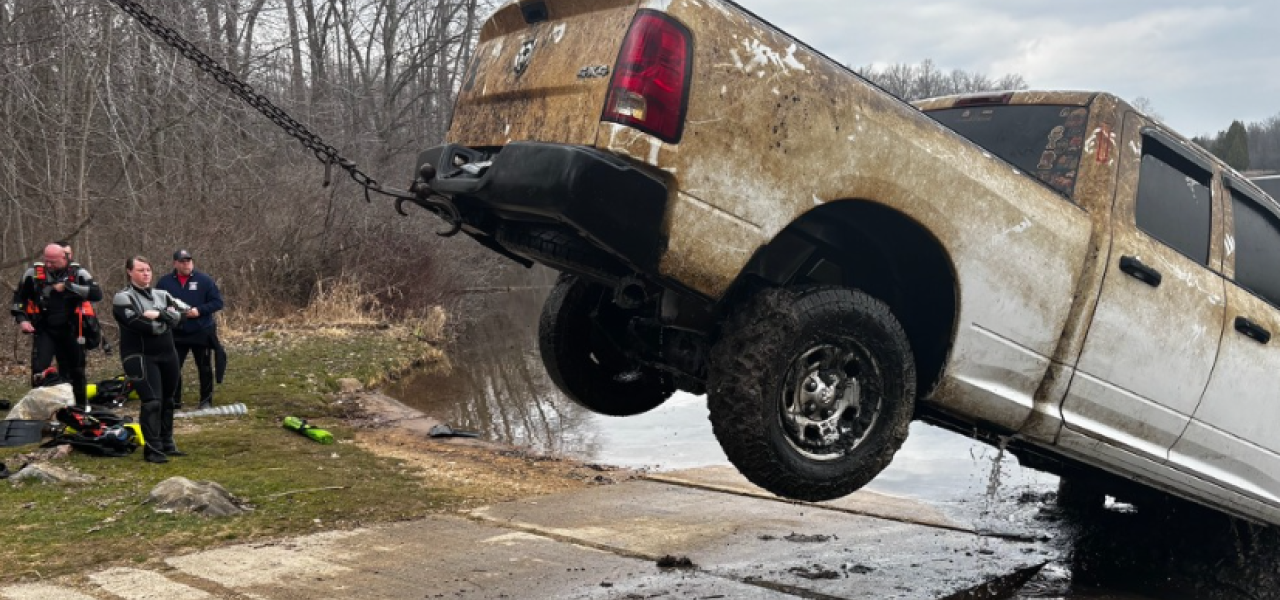
The discovery quickly became a local sensation, a watery urban legend in the making. Dive teams eventually hooked onto the beleaguered beast, dragging it, dripping — and algae-covered, back to daylight. But what it revealed wasn’t answers, mostly just more questions. Was this an isolated act, or a fragment of a larger, unseen network operating just beneath the radar—or in this case, the water line? Insurance claims adjusters must sigh. They really must.
“Look, vehicles ending up submerged in unexpected places—it’s not a daily occurrence, thankfully,” explained an anonymous veteran insurance claims manager we spoke with off the record. “But when it happens, it tells a story about larger patterns of waste and, frankly, deliberate deceit. It certainly drives up premiums for everyone, whether they know it or not.” He was clear: it’s not just the sticker price of the truck; it’s the recovery, the forensic investigation, the paperwork. All that fun stuff adds up.
📄 POLICY WIRE WHITEPAPER PUBLISHED: PAKISTAN'S NATIONAL SECURITY POLICY PRIORITIES
👉 READ BY CLICKING HEREThe incident, bizarre as it’s, inadvertently casts light on the often-invisible world of automotive theft and the sophisticated, sometimes surprisingly crude, methods employed. While here a single pickup vanishes into a lake, elsewhere, say in parts of South Asia, the intricacies of vehicle theft can involve vast, cross-border smuggling operations, where VIN plates are expertly swapped and cars are disassembled, their parts spirited away to hungry black markets within hours. Think about the resources applied: a diver in America for a stolen truck versus—well, you get the picture. Even in developed nations, such an anomaly, where a heavy-duty vehicle is intentionally scuttled, represents a brazen, almost theatrical act of disposing of what they perhaps hoped would be irretrievable evidence. Data from the National Insurance Crime Bureau indicates vehicle thefts climbed a staggering 28% between 2019 and 2022, costing insurers billions.
The fact that it took an enthusiastic hobbyist, rather than systematic surveillance or diligent police work, to find the truck offers its own grim observation on the limits of our detection mechanisms. It highlights the cracks, doesn’t it? The little gaps where illicit activities can flourish, unseen, unheard, until a fishing trip accidentally reels in the truth.
What This Means
This whole peculiar saga—the lost truck, the sonar discovery, the grudging recovery—it’s more than just a local interest story. Economically, every submerged asset, every stolen vehicle, represents a direct — and indirect cost. It’s insurance payouts, law enforcement hours, environmental impact, — and the lingering erosion of public trust. When crime becomes so brazen as to simply toss evidence into a public waterway, it suggests a certain audacity, or perhaps desperation, that local authorities find challenging to counter. It also forces a political conversation: are resources allocated effectively for everyday property crime prevention and investigation? Or are smaller, less ‘newsworthy’ offenses falling by the wayside, quietly festering until a truly unusual event brings them into stark relief? From a civic perspective, it nudges us to ponder what else might lie beneath the placid surfaces of our daily lives, hidden from plain sight, waiting for the accidental revelation.