


End of Empires: WSL Giants Face Rebirth in Tumultuous Offseason
POLICY WIRE — London, England — There’s a particular kind of chill that settles over a stadium when a dynasty falters. It isn’t just the damp English air. It’s the abrupt, almost surreal...

POLICY WIRE — London, England — There’s a particular kind of chill that settles over a stadium when a dynasty falters. It isn’t just the damp English air. It’s the abrupt, almost surreal silence that replaces years of thunderous victory chants. This season, as Chelsea stumbled to a third-place finish and Arsenal barely clung to second, that chill became palpable across the Women’s Super League. For too long, the narrative had been one of Chelsea’s indomitable reign—six straight league titles, an unyielding grasp on the domestic game.
But power, you know, is a fickle beast. One minute you’re atop the heap, the next you’re squinting at the contenders below. Manchester City snatched the crown this year, a decade since their last league triumph, ushering in a change nobody saw coming with such a swift, brutal clarity. The WSL, it seems, isn’t immune to the winds of market shift. Just ask anyone who follows global football: empires, however dominant, eventually contend with an expiration date. It’s an inconvenient truth, yet true it remains.
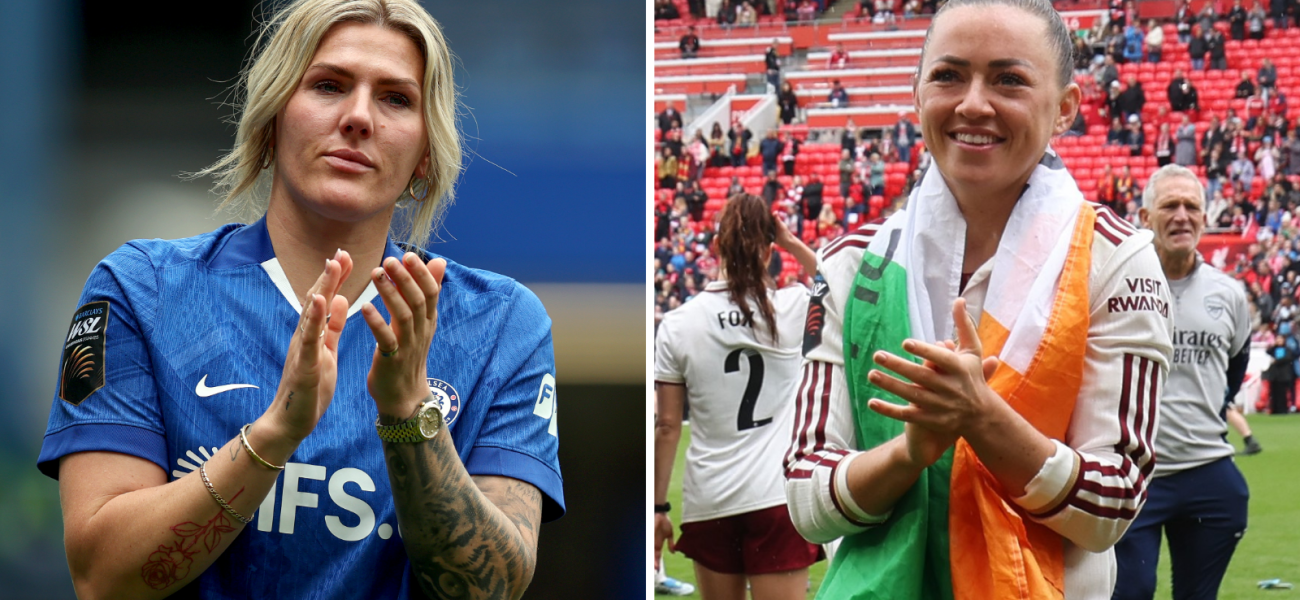
Chelsea’s woes aren’t just about trophies. Their stumble means a qualifying round for the Champions League—a brutal gauntlet for a club that’s come to expect a gilded path straight to Europe’s top table. Stalwarts like Sam Kerr—the prolific Aussie striker who hammered in goals for fun—and midfield general Millie Bright are gone. Kerr, who scored her 116th goal for the club to equal Fran Kirby’s all-time record, told Sky Sports it had been the "biggest honour" to play for Chelsea. "I have so many amazing memories and I will carry them with me forever," she mused, an almost wistful farewell note after so many seasons of clinical savagery on the pitch. That final goal, her 116th for the club according to official WSL records, simply underscored her impact—a goal for every three games played. Phenomenal, really.
And then there’s Arsenal. Trophyless in the league, save for an early-season domestic cup. They barely scraped past Chelsea, but not without their own deep wounds. Katie McCabe, the Irish dynamo whose very presence screamed "leader," played her last game, along with Beth Mead. "I was just enjoying every second of it," McCabe declared post-match, clearly savouring her captaincy in that final outing. "My team talk was to go out — and enjoy it and play the Arsenal way… and we certainly did it. We were playing with smiles on our faces." A dignified exit, maybe. But still an exit. It suggests a summer of profound change is knocking, aggressively, on their dressing room door. This isn’t just player movement; it’s a profound identity crisis for two of the league’s foundational powers.
Because, really, what’s left when the pillars fall? Manchester City, now reigning champions, have shown how quickly the tide can turn. They weren’t merely good; they were consistent, sitting atop the division for 18 of the season’s 22 weeks. That’s not a flash in the pan; that’s sustained dominance. But will it last? The WSL market, like any professional sport’s, is dynamic, constantly reshaping itself. Consider the burgeoning interest in football across South Asia, particularly amongst young women and girls in countries like Pakistan. The visibility of international stars in leagues like the WSL—McCabe, Kerr, Bright, all household names beyond their home countries—is quietly cultivating fan bases in regions historically focused on other sports. It’s a slow burn, but an undeniable commercial trajectory that can’t be ignored by clubs planning their next moves. Their appeal reaches beyond European confines.
The strategic challenges for Chelsea’s new coach, Sonia Bompastor, and Arsenal’s head honcho, Jonas Eidevall (for now), are monumental. Chelsea needs a striker to replace Kerr; rumours are rife about Khadija Shaw, City’s own goal machine. Arsenal, for its part, needs to bulk up its squad. It needs depth, real depth, to navigate an increasingly congested fixture list, a challenge that saw them falter late in previous campaigns. Links to Bayern Munich’s Georgia Stanway and Barcelona’s Ona Batlle are swirling—expensive whispers, to be sure.
📄 POLICY WIRE WHITEPAPER PUBLISHED: PAKISTAN'S NATIONAL SECURITY POLICY PRIORITIES
👉 READ BY CLICKING HEREIt’s all quite exhilarating, frankly. The old guard? Well, they’re not quite out, but they’re certainly wobbly. And that, dear reader, is precisely when the show gets interesting. What emerges from this flux—a new, multifaceted WSL where dominance is shared, or another monolithic powerhouse? We’ll just have to watch.
What This Means
The shifts at Chelsea and Arsenal represent more than just individual player transfers; they signal a fundamental recalibration of power dynamics within the Women’s Super League. For years, Emma Hayes’ Chelsea established a near-hegemony that arguably stifled broader league competitiveness. This autumn’s upheaval, punctuated by Manchester City’s ascendance, suggests a more distributed power structure could be emerging. This might be better for the league commercially and aesthetically, attracting new sponsors and increasing viewership as more teams realistically contend for silverware.
Economically, this increased competition and global exposure (especially in emerging markets like South Asia) could drive up player salaries and transfer fees, challenging existing club financial models. The need for aggressive recruitment, as seen in the Arsenal and Chelsea rumours, underscores a market becoming less about legacy and more about immediate strategic investment. On a tactical level, both Bompastor and Eidevall face immense pressure to re-sculpt their teams rapidly while integrating new talent and forging a fresh identity. Their coaching philosophies will be tested severely in a league that’s just shown it won’t be dominated by reputation alone. Success now isn’t guaranteed; it must be bought, built, — and battled for.