


Beyond the Pint Glass: One Punch’s Echoes in Britain’s Fragmented Urban Core
POLICY WIRE — LONDON, UK — Another Friday night, another brawl — or so it seemed. The clink of glasses, the murmur of casual conversation, the indifferent urban soundtrack. But this...

POLICY WIRE — LONDON, UK — Another Friday night, another brawl — or so it seemed. The clink of glasses, the murmur of casual conversation, the indifferent urban soundtrack. But this particular Friday, the everyday theatre of Britain’s pub scene — often depicted as the quintessence of local communal life — spiralled into an irreversible tragedy. It’s a storyline depressingly familiar, yet always profoundly unsettling.
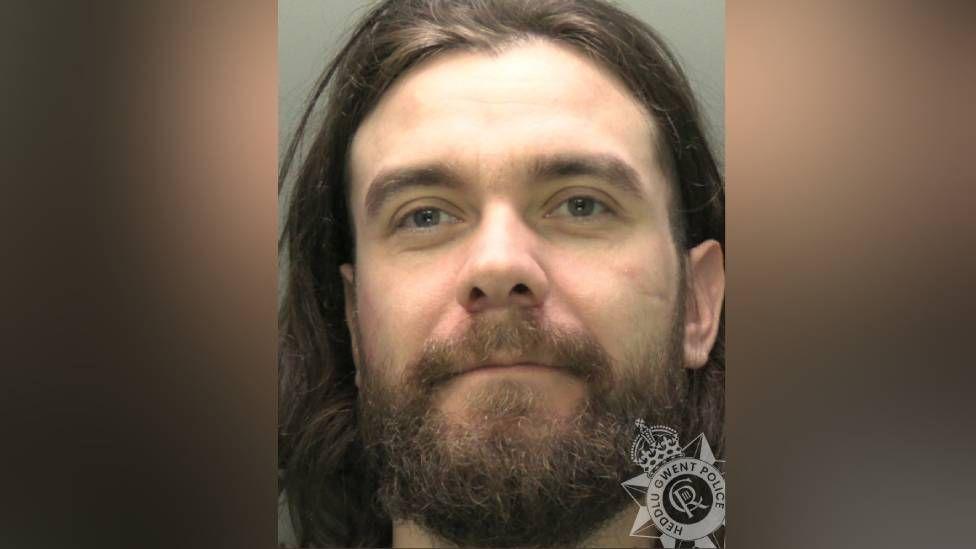
On this occasion, a fleeting, savage moment outside a Wetherspoons establishment morphed into a life sentence — not for the deceased, naturally, but for his assailant. Dale Martin, aged 32, now knows what that means. He received a six-year prison term for an unlawful act that, frankly, shattered a family and sent ripples of grim reflection through a community that just wants to get on with its weekend.
The court heard about a single, devastating blow. Just one — a punch so loaded with kinetic energy, so ill-aimed, that it killed 55-year-old Mark Herron. The details are grim: a petty disagreement escalated, fueled by whatever combination of booze, bravado, and urban tension was in the air that night. Martin — initially facing a murder charge, later reduced to manslaughter — admitted the blow. It’s done. But the consequences? They’re just starting, really.
It’s moments like these that peel back the veneer of quotidian urban existence, revealing a fragility underneath that feels unnervingly commonplace. There’s a particular desolation in how mundane surroundings can become backdrops for the horrific. These aren’t exotic foreign lands with tribal conflicts; these are Britain’s high streets, their economic rhythms often dictated by businesses like Wetherspoons — offering affordable respite, but also, sometimes, unforeseen danger.
Chief Superintendent Anaya Sharif, commenting generally on such incidents — without specific reference to this particular case but reflecting common challenges — noted, We see far too many lives torn apart by impulsive violence. One moment of poor judgment, one lost temper, — and the trajectory of multiple families shifts forever. Our job isn’t just to uphold the law; it’s to foster an environment where people feel safe, not constantly on edge because of random aggression.
She’s not wrong, you know.
And these scenarios aren’t limited by geography or culture. Ask anyone who’s lived in a bustling city — whether that’s London, or Karachi, or Cairo — and they’ll tell you about the unpredictable friction points of crowded urban living. Diverse populations, complex social dynamics, economic pressures; they all combine into a vibrant, sometimes volatile, mix. It’s why effective community policing and proactive engagement, especially with diverse youth populations — which form a significant part of London’s urban pulse — becomes paramount. Ensuring equitable justice — and community trust is a perpetual tightrope walk for any government.
📄 POLICY WIRE WHITEPAPER PUBLISHED: PAKISTAN'S NATIONAL SECURITY POLICY PRIORITIES
👉 READ BY CLICKING HEREBut how much of this is systemic? According to the UK’s Office for National Statistics, alcohol-related violent crime accounted for approximately 39% of all violent incidents in England and Wales in the year ending March 2023. That’s nearly four out of ten. That’s a serious chunk of mayhem right there.
A barrister specializing in public order offenses, who preferred to remain unnamed citing ongoing casework sensitivities, expressed exasperation. We keep jailing people for these flash-in-the-pan acts, — and yes, individuals must be accountable. But the system’s failing if it isn’t also addressing why these situations explode so frequently. It’s like patching a burst pipe without turning off the mains.
It’s a blunt assessment, but it tracks, doesn’t it?
What This Means
The sentence handed down to Dale Martin — and others like him — represents more than just a judicial act; it’s a stark indicator of societal costs. Economically, these incidents siphon public funds. Policing, emergency services, court proceedings, incarceration — it’s an extensive drain on the public purse. Imagine that cost, amplified across hundreds, maybe thousands, of similar cases annually. It leaves less for education, for healthcare, for, well, anything else. For institutions already facing their own fiscal reckonings, this isn’t pocket change.
Politically, the ongoing prevalence of urban violence feeds into a narrative of declining public safety, a potent talking point for opposition parties. Governments are often judged on their ability to maintain order, and regular headlines about fatal street fights undermine that perceived competence. It fosters public mistrust, too. People question if their cities are truly safe, or if they’re just one wrong glance away from an argument that turns catastrophic. For local councilors, particularly in election cycles, it translates directly into constituent pressure: Do something. Make us feel secure. This incident, far from being isolated, becomes a tiny but potent data point in a much larger, often exasperating, political conversation about the health and temperament of modern British society. And until those underlying issues — whatever they’re — get proper attention, expect more grim headlines like this one. They’re sadly predictable.