

Beyond the Bleachers: San Francisco’s Economy Batters Down Amid Rookie Hype
POLICY WIRE — San Francisco, USA — It’s a curious thing, isn’t it, how a city — a whole goddamned metropolitan area, really — can pin its transient hopes, however fleeting, on the arc of...

POLICY WIRE — San Francisco, USA — It’s a curious thing, isn’t it, how a city — a whole goddamned metropolitan area, really — can pin its transient hopes, however fleeting, on the arc of a well-struck baseball? San Francisco, that shimmering crucible of innovation and exasperating rent, finds itself clinging to moments of athletic grace. Not, mind you, the kind that might actually affect housing prices or stop another tech exodus. Just the sort that lets folks forget, for a few precious hours, that the bottom line often feels like a punch to the gut. This isn’t about standings, not really. It’s about optics, civic morale, — and the cold, hard cash flowing beneath the surface of the grand old American pastime.
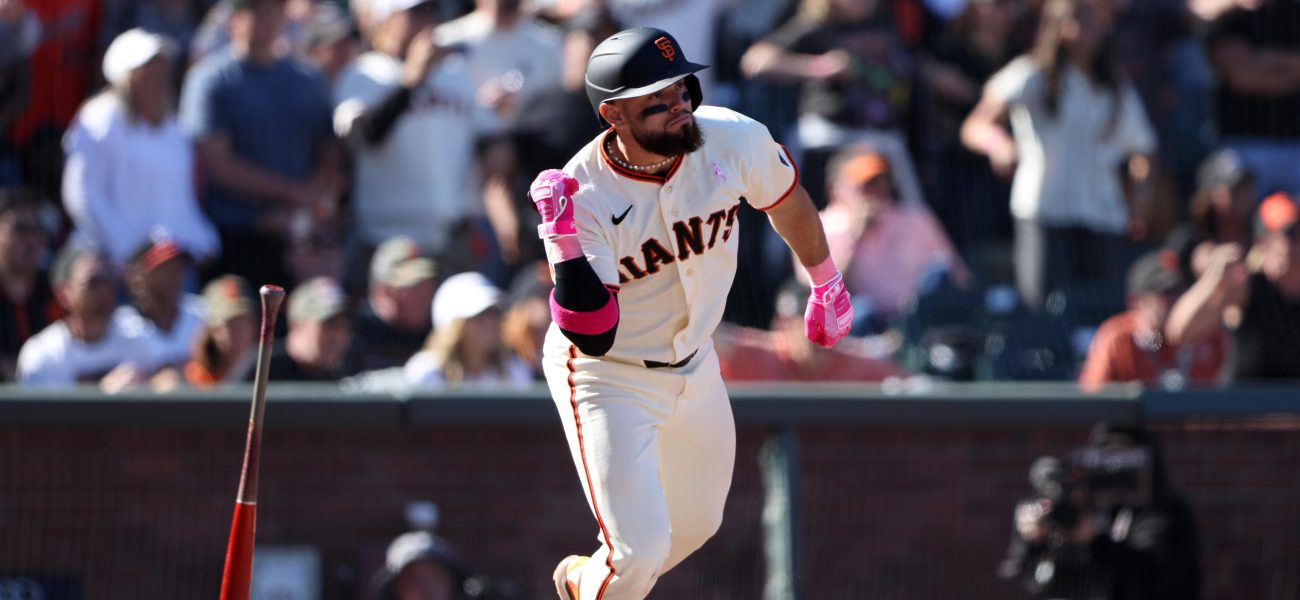
Two young guns, Jesús Rodríguez and Bryce Eldridge, have injected a desperately needed jolt into the San Francisco Giants’ uneven early season narrative. They’ve smacked their first major league dingers, clinched walk-off wins. Small moments, perhaps, in the grand scheme. But they’re bright spots, a glint of genuine excitement, in a market sometimes more accustomed to the drone of IPO filings than the crack of a bat. Because honestly, these are the sorts of headlines a city craves when its global profile, once unimpeachable, now carries a faint whiff of uncertainty.
The city’s economic health, you see, it isn’t always tied directly to wins — and losses. But it’s certainly buoyed by the illusion of success, the distraction of spectacle. Sports franchises are businesses, high-stakes ones, often owned by consortiums whose portfolios stretch from biotech to Bangladeshi garment factories. So, when the turnstiles click—or the streaming numbers tick up—because of a couple of fresh faces, boardrooms take notice. Farhan Zaidi, the Giants’ President of Baseball Operations, put it bluntly: You’re constantly building. You need a pipeline that refreshes the talent, yes, but also re-engages the fanbase. It’s about sustained viability, not just this year’s payroll.
He understands the math, don’t you worry.
And San Francisco needs this kind of low-stakes excitement, it really does. Tech firms are still pruning, interest rates are… well, they’re high. Businesses on Market Street still grapple with empty storefronts. A walk-off homer? That’s cheap therapy. Consider that, according to a recent analysis by the San Francisco Office of Economic Development, direct tourism spending tied to sporting events has seen an 8% dip in the last two years, contrasting sharply with pre-pandemic figures. That’s eight percent of something important going missing. So, a new star, someone to cheer for, helps put a fresh coat of paint on things. It’s a psychological trick, albeit a highly effective one, playing on communal joy to distract from deeper, systemic worries.
The Giants are, after all, a brand. A massive one. Like so many institutions, they’re looking eastward, ever eastward, for new markets. I once heard a whispered rumor — unsubstantiated, mind you, but intriguing — about a major South Asian media conglomerate, backed by Gulf capital, kicking tires on potential North American sports investments, not just European football. Their rationale? A burgeoning middle class — and an ever-expanding diaspora clamoring for diverse, top-tier entertainment. Because these kinds of rookie surges, they’re not just local news. They’re content. And content, dear reader, is king on a global scale. It drives viewership, merchandizing, digital engagement. It sells.
But there’s a delicate balance here, a societal tightrope walk. You’ve got a city grappling with severe inequality, where a single tech executive’s bonus could bankroll a small nation’s public works projects, yet homelessness remains stubbornly pervasive. Then you’ve got fans shelling out hundreds for tickets and craft beers, temporarily forgetting the very real issues pressing on the urban fabric. It’s a convenient distraction, this game, this hero worship. Because sometimes, when real-world policy seems too intractable, a home run just feels simpler. Easier. A tiny, manufactured win in a world of complex, grinding losses.
📄 POLICY WIRE WHITEPAPER PUBLISHED: PAKISTAN'S NATIONAL SECURITY POLICY PRIORITIES
👉 READ BY CLICKING HERE“We welcome anything that boosts the collective spirit,” said City Council aide, Anya Sharma, with a wry smile. It translates to more foot traffic, yes, but also a sense that things are, maybe, just a little bit alright. And God knows we need that these days, even if it’s from a baseball bat.
And she’s not wrong. It’s a kind of performance art, really—this playing of baseball—designed to convince everyone that San Francisco, despite its growing pains, its shifting identity, is still capable of producing magic. Or at least, some damn good innings.
It’s why these narratives of fresh talent are packaged so carefully. They’re a commodity, a story to be told, to be sold, across airwaves — and continents. Global capital understands the language of spectacle, the intoxicating draw of unexpected triumphs. Whether it’s the FA Cup or a rookie getting his first big league homer, the principle holds: build the narrative, and the revenue streams will follow.
What This Means
The emergence of players like Rodríguez and Eldridge isn’t just a win for the Giants’ farm system; it’s a symbolic salve for San Francisco’s often-bruised civic psyche. For a city that frequently battles negative national headlines—from tech layoffs to urban decay—a homegrown sports success story offers a potent counter-narrative. It represents hope, grit, and the enduring allure of meritocracy in an era increasingly defined by inherited wealth and algorithmic dominance. Economically, these fresh faces don’t just sell tickets; they fortify the team’s brand value, making it more attractive for regional sponsorships, international media rights, and ultimately, broader capital investments. The ability to continually unearth and cultivate young talent—and crucially, market those narratives—becomes a policy plank in itself, showcasing a city’s capacity for organic growth even amidst volatile market conditions. But it also serves as a potent reminder of the city’s dependence on such diversions to mask, or at least soften, the harsh edges of its socio-economic realities.