


Detroit’s Reckoning: Pistons Unearth Grit as ‘The Big’ Returns From the Cold
POLICY WIRE — Detroit, USA — For weeks, Jalen Duren seemed to vanish. A player of immense potential, reduced to a spectral presence on the court, fumbling passes, losing focus—the sort of on-court...

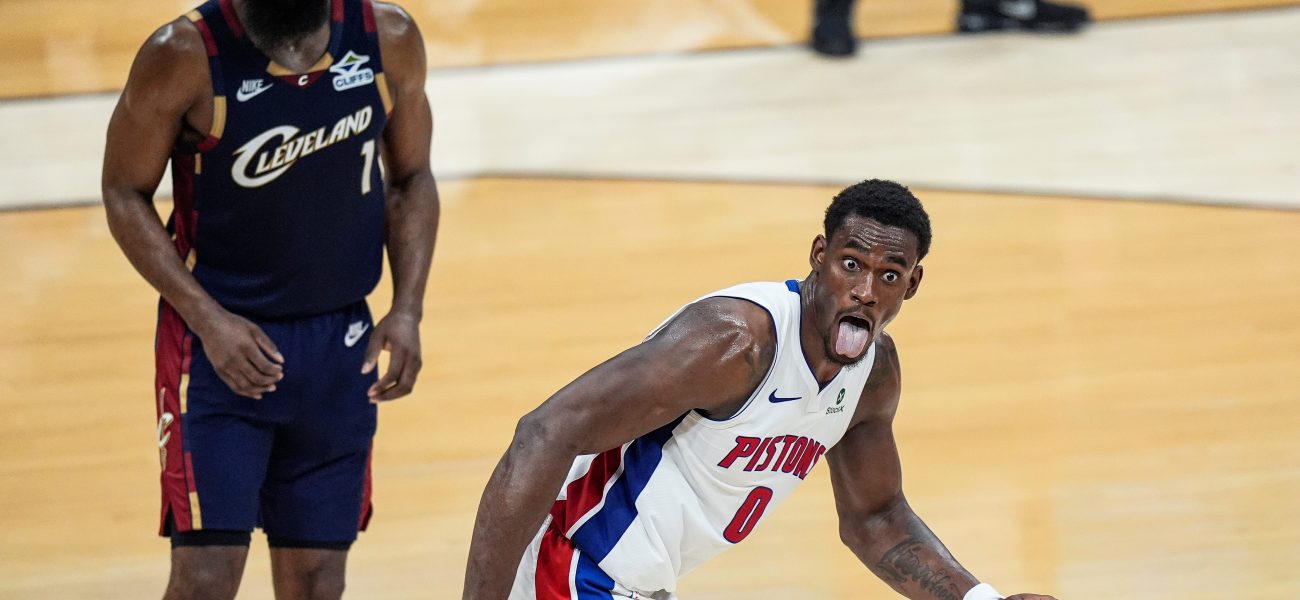
POLICY WIRE — Detroit, USA — For weeks, Jalen Duren seemed to vanish. A player of immense potential, reduced to a spectral presence on the court, fumbling passes, losing focus—the sort of on-court malaise that makes general managers twitch. Fans? They’d long since checked out, or at least, mentally drafted their epitaph for the Pistons’ season. But then came Game 6, and out of that fog, from a season that was practically a hospice case, emerged an athlete reinvented. Just like that.
Duren’s resurgence wasn’t a gentle reawakening; it was a sudden, furious explosion of suppressed ability. Against all expectation—and Cleveland’s desperate hope to close things out—the 22-year-old big man became an immovable force, racking up 15 points, 11 rebounds, three blocks, and a steal in a mere 27 minutes. He didn’t just play well; he played as if personally insulted by his own recent form. The kind of turnaround you read about in those ‘never give up’ management seminars, except this one was genuinely captivating. Because sometimes, when the chips are down, the narrative rewrites itself with a ferocity no pundit predicted.
His play, a forceful combination of raw power and newfound finesse—the cross-over dribble on Jarrett Allen was particularly audacious, weren’t we told centers couldn’t do that?—single-handedly extended the season. Detroit secured a 115-94 victory, blowing past Cleveland by 21 points after five preceding games had all ended in nail-biting, single-digit differences. This wasn’t just a win; it was a declaration. And it didn’t come without personal battles. “My confidence never wavered in myself,” Duren told the media after the game, looking less like a man saved and more like one who’d simply remembered who he was. “I know who I am. I’ll never forget who I am. I know what I can do. I know what I can be.” It’s the kind of self-assurance you’d wish every emerging market leader had when facing down IMF reforms.
His performance, though significant, was only part of the Pistons’ unexpected equation. They weren’t just running out an ‘awakened colossus’; they were showing an impressive depth usually reserved for dynasties, not for teams that flirted with the lottery. Paul Reed, Duren’s backup, also decided Friday night was his night to shine, delivering 17 points, six rebounds, and a block in just 16 minutes. Combine those two, — and opponents found the paint a very unforgiving place to inhabit.
But the true policy innovation from Coach J.B. Bickerstaff? It was moving Duncan Robinson to the bench—a bold, some might say reckless, call for a player who hadn’t started a game for 88 outings. Robinson, nursing back issues, still delivered crucial perimeter scoring, hitting timely three-pointers that deflated Cleveland’s every attempt at a comeback. “His ability to come in off the bench, give a spark, knock down shots, to keep our offense kind of ticking versus second-unit guys,” Coach Bickerstaff explained with the calm precision of a central bank governor explaining quantitative easing, “we just thought it was the right thing to do.” It paid off. The Pistons’ bench, an eclectic mix of seasoned pros — and spirited newcomers, outscored Cleveland’s reserves 47-19. That’s a staggering disparity. As per official league statistics for playoff Game 6, Detroit’s bench production was unparalleled across Friday’s NBA matchups. The lesson here: sometimes the best talent isn’t in your starting five, or even in your national budget, but in your deeper, less-heralded reserves.
📄 POLICY WIRE WHITEPAPER PUBLISHED: PAKISTAN'S NATIONAL SECURITY POLICY PRIORITIES
👉 READ BY CLICKING HEREWhat This Means
This unlikely playoff surge by the Detroit Pistons, pulling a Houdini act for their fourth elimination escape this postseason, carries implications far beyond the hardwood. It’s a textbook case study in resilience, one that resonates across boardrooms — and geopolitical war rooms alike. For Detroit, a city whose own narrative often oscillates between gritty resurgence and grinding struggle, a team that refuses to fold offers more than just entertainment; it’s a proxy for collective determination. The unexpected revival of individuals like Jalen Duren, combined with tactical innovation in player deployment, provides a template for navigating unforeseen crises. It demonstrates that internal reform, when applied with conviction, can dramatically alter external perceptions and, indeed, outcomes. Don’t write off the perceived ‘underdogs,’ whether in sports, local economies, or international diplomacy. Pakistan, for instance, often faces its own existential Game 7s—from economic pressures to border security—and their ability to harness domestic talent and innovate through adversity determines their ultimate trajectory on the global stage. Much like a surprise diplomatic breakthrough can upend established geopolitical dynamics, an improbable basketball triumph shifts an entire city’s mood—a critical, albeit ephemeral, economic driver. What you’re seeing here isn’t just basketball; it’s a living, breathing blueprint for navigating tough times, showing that an investment in strategic depth can turn the tide—and keep the concession stands humming, boosting local businesses—against seemingly insurmountable odds.
Because, really, how else do you explain a team with everything to lose finding new plots in an already well-read book? The energy this generates, this sudden injection of belief, filters through a community. It creates positive buzz, attracts eyeballs, and, yes, pushes consumer spending in the right direction—a minor but observable economic multiplier in a league where team performance tangibly impacts everything from merchandise sales to broadcast rights. It makes for compelling television. But more importantly, it allows everyone—from the auto worker on the assembly line to the analyst poring over emerging market data in Islamabad—to believe that even when the odds are stacked against you, there’s always, always a Game 7. And sometimes, you’re bringing an awakened colossus along for the ride. Just look at how rapidly public mood can shift with a new, young team’s success, it’s uncanny. It’s a reminder: strategy isn’t just about what you plan, it’s about how you adapt to what’s unfolding, moment-by-moment, especially when the old tricks aren’t cutting it. Just like how some nations have to re-evaluate their foreign policy based on the shifting sands of regional alliances and vital resources. Everything changes, always.