


Albuquerque’s Bleacher Spectacles: Youth Dreams, Economic Undercurrents
POLICY WIRE — ALBUQUERQUE, N.M. — It isn’t just about the slam-dunk or the Hail Mary pass in New Mexico’s largest city anymore. Beneath the Friday night lights—or, more accurately, within...

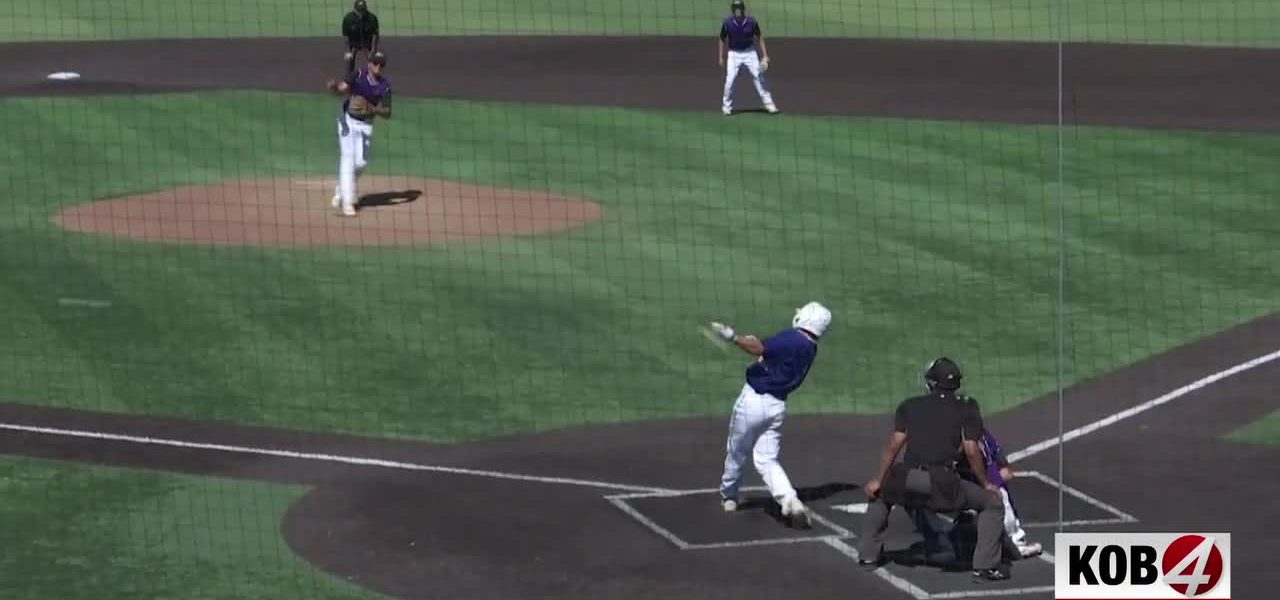
POLICY WIRE — ALBUQUERQUE, N.M. — It isn’t just about the slam-dunk or the Hail Mary pass in New Mexico’s largest city anymore. Beneath the Friday night lights—or, more accurately, within the pixelated frames of local high school highlights from KOB.com’s ‘New Mexico Gameday’—lies a much richer narrative, a raw accounting of community vitality and persistent economic currents that define Albuquerque’s youth. Emily Faith and Devin J. Martin might be narrating touchdowns and triumphs, but a veteran observer sees something else entirely: a subtle yet undeniable barometer of the city’s aspirations, and its often-stark realities.
For decades, high school athletics here have been more than extracurriculars; they’re often the adhesive holding disparate neighborhoods together, providing fleeting moments of shared glory in an economy that hasn’t always delivered for its youngest citizens. You don’t need an MBA to grasp this, but you’d be foolish to ignore the social capital accumulated. Kids, often against steep odds, find a path, a purpose, perhaps even a scholarship. It’s not a mere game; it’s a desperate plea for recognition, a public investment in what’s sometimes a sputtering engine of opportunity. And when the cheers erupt, you’re not just hearing appreciation for athletic prowess. You’re hearing hope.
But that hope often runs into hard numbers. New Mexico consistently battles high poverty rates, particularly among children, — and Albuquerque is no exception. It’s an inconvenient truth behind the gleaming uniforms — and spirited mascots. According to the U.S. Census Bureau’s 2022 data, New Mexico’s child poverty rate stood at an alarming 20.9%, significantly above the national average. Because of this, resources for youth programs, sports included, often stretch precariously thin. It’s not just about winning championships; it’s about providing stable infrastructure – coaching, equipment, facilities – in communities where even basic social services feel like a constant scramble.
Governor Michelle Lujan Grisham, keenly aware of these dynamics, recently emphasized the broader implications. “Investing in our children’s future means more than just textbooks; it means building character on the field and developing teamwork in the gym,” she told reporters during a recent education initiative unveiling. “These high school programs aren’t luxuries; they’re incubators for leadership and resilience, absolutely vital for our state’s future. They give kids a reason to believe in themselves and their community, and frankly, we can’t afford not to support them.” But belief, sometimes, doesn’t pay the bills.
Local state Senator Michael Padilla, representing a part of Albuquerque, echoed this sentiment with a characteristic pragmatism. “Look, I’ve seen firsthand what these programs do. They keep kids off the streets, sure, but they also teach discipline you just don’t learn staring at a screen,” Padilla noted. “We’re pushing for sustainable funding. We’re talking about direct investments into our neighborhoods, strengthening the backbone of what makes a place a home, not just an address. It’s tough, but we don’t have another choice; these kids are our future. But frankly, some of the proposals from the other side seem to view youth programs as discretionary, which, if you ask me, is shortsighted at best.”
These hyperlocal dramas also resonate far beyond the desert Southwest. Just look at the enduring power of sports in communities across the Muslim world. Whether it’s the fervent support for local football clubs in Karachi, Pakistan, where street games often provide an escape from socio-economic hardship, or the deep cultural importance of cricket throughout South Asia, sport is a universal language. It’s a mechanism for identity, a social safety valve, and, often, a fleeting glimpse of an alternate reality for youth who face systemic disadvantages. The narratives of aspiring athletes in Lahore aren’t so different in spirit from those battling it out on the fields of Albuquerque—both seeking opportunity, striving for recognition, pushing past limits. The grand stages may differ, but the human impulse, the sheer desire to excel against the odds, it’s remarkably similar across continents.
📄 POLICY WIRE WHITEPAPER PUBLISHED: PAKISTAN'S NATIONAL SECURITY POLICY PRIORITIES
👉 READ BY CLICKING HEREAnd so, as Devin J. Martin — and Emily Faith present their ‘Gameday’ snippets, remember it’s not just a reel of fleeting athletic excellence. It’s a snapshot, albeit a narrow one, of a community grappling with larger questions of prosperity, equity, and opportunity for its youth. It’s a reminder that even in sports, the policy matters, the economics matter, and the future always, always depends on how we nurture the generation coming up behind us.
What This Means
The seemingly innocuous focus on high school sports highlights a deeper civic and economic tension within Albuquerque, and by extension, New Mexico. On the one hand, robust athletic and extracurricular programs are acknowledged as foundational for youth development, fostering discipline, community engagement, and even upward mobility for some through scholarships. They’re also often proxies for community health; vibrant high school programs often correlate with stable neighborhoods and engaged parental units. But this article isn’t just about sports; it’s about the socio-economic disparities that make the ‘level playing field’ an abstract concept, not a lived reality for many.
The state’s elevated child poverty rate, for instance, casts a long shadow over these aspirations. Political leaders recognize the value, yet securing consistent, meaningful funding for these programs remains a perennial struggle, pitted against other pressing social services, infrastructure needs, and a persistent drive for fiscal austerity. The quotes from Governor Grisham and Senator Padilla underscore a bipartisan acknowledgment of the problem, yet also hint at ongoing disagreements over implementation and resource allocation. This suggests that while the political will for youth investment may exist conceptually, practical pathways are often obstructed by budgetary constraints and differing political ideologies.
Economically, neglected youth development today translates to a less skilled, less healthy workforce tomorrow. If Albuquerque and New Mexico can’t effectively channel the raw talent and ambition seen on local sports fields into broader educational and professional pathways, they risk exacerbating existing economic fault lines. a failure to engage youth effectively through community programs—sports being a primary example—can have profound social consequences, increasing rates of delinquency and diminishing social cohesion. The universal resonance of sports, even connecting to issues faced by youth in places like Bangladesh, emphasizes that these aren’t isolated local problems but micro-manifestations of broader global challenges in fostering human potential against significant economic headwinds. The scoreboard isn’t just about the final tally in a game; it reflects the cumulative score of policy choices.