


The Oblique Paradox: Reds’ Million-Dollar Hope Battles Time, Money, and a Nagging Injury
POLICY WIRE — CLEVELAND, USA — The murmur of a baseball hitting sweet, square aluminum usually promises heroics. But for weeks now, that particular symphony has been absent for the Cincinnati Reds,...

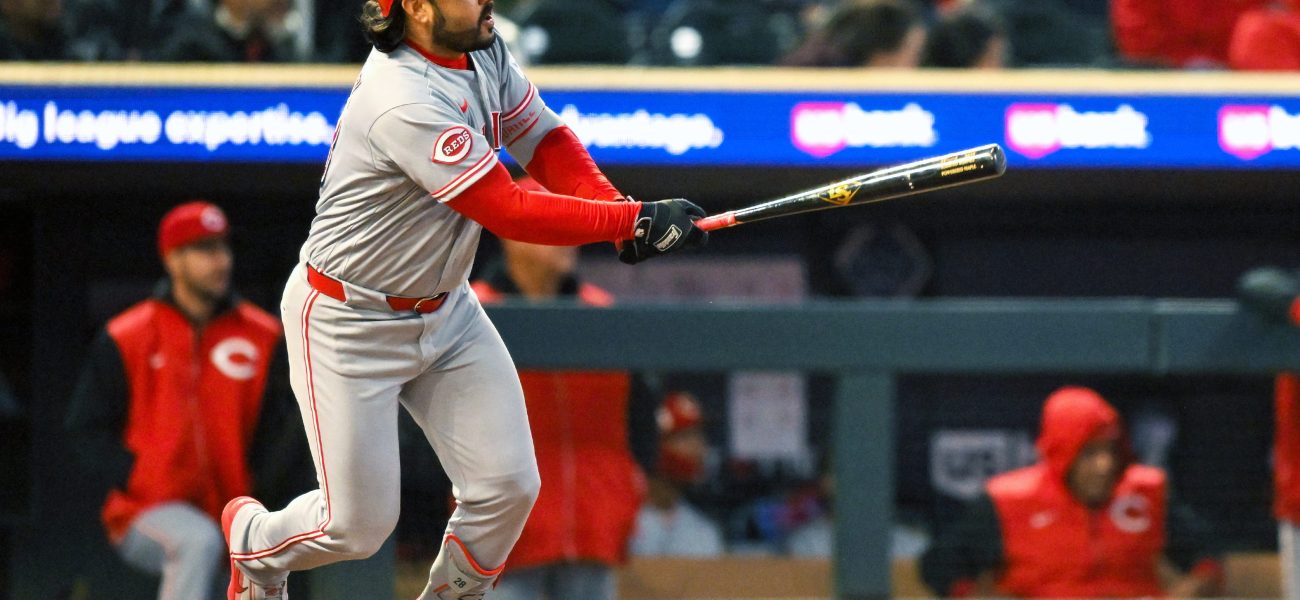
POLICY WIRE — CLEVELAND, USA — The murmur of a baseball hitting sweet, square aluminum usually promises heroics. But for weeks now, that particular symphony has been absent for the Cincinnati Reds, replaced by the grating silence of their top slugger, Eugenio Suárez, confined to the purgatory of an injured list. A high-paid star—a marquee name—reduced to batting practice without consequence. It’s an American drama, sure, but one that plays out on a global stage where the financial mechanics of athletic bodies have become a spectator sport themselves.
Suárez, the Reds’ $15 million power bat, is on the comeback trail, apparently. But here’s the rub: he’s battling a tricky left oblique, an injury that whispers ‘recurrence’ more often than it promises ‘quick fix.’ Club officials, masters of cautious optimism, now dangle the possibility of a minor-league rehab assignment. Nothing’s set, mind you. They’re doing it carefully, delicately, because in the rarefied air of professional sports, an athlete isn’t just a player; he’s an investment, a marketing marvel, a bet placed against the caprice of cartilage and muscle fiber.
Manager Terry Francona, a man who’s seen more pulled muscles than most physicians, offers a glimpse into the internal tug-of-war. “Look, he’s showing real progress,” Francona observed, a slight squint to his eyes, acknowledging the endless grind of recovery. “The latest MRI—it showed what we wanted. Good healing, no real symptoms. But you’ve got to listen to the player, too. We aren’t trying to break the guy; we just need him back, but not broken.” He sounded like a man walking a tightrope between impatience and prudence. A difficult balancing act, always.
And because, frankly, the Reds’ offense has been about as potent as lukewarm tea, they’re feeling the pinch. Suárez’s 49 home runs last season (a figure that made him one of the league’s most coveted power hitters, according to Major League Baseball stats) haven’t exactly been replaced by committee. No, it’s been more like an economic vacuum. “Every swing he misses is a million dollars on the ledger book, frankly,” a Cincinnati Reds front office source, speaking on condition of anonymity to discuss the club’s often-opaque financial calculus, reportedly confided to Policy Wire. “Fans pay for power, not for players rehabbing in obscurity. We’re in the business of winning, which means we’re in the business of getting our best assets on the field. That’s the game, right?”
📄 POLICY WIRE WHITEPAPER PUBLISHED: PAKISTAN'S NATIONAL SECURITY POLICY PRIORITIES
👉 READ BY CLICKING HEREBut how fast is too fast? They’re eyeing the velocity machine for Suárez, maybe even today. The team needs runs, but they need their star in one piece, too. It’s the constant dilemma: the pressure to produce, the body’s fragile limits. It’s a dynamic not confined to American baseball diamonds, either. Across the globe, from the frenetic pace of cricket in the Pakistan Super League—where player careers are regularly threatened by chronic strains and stress fractures despite hefty salaries—to European football’s relentless calendar, the human body remains the ultimate variable in a multi-billion-dollar equation. They’re all just commodities, aren’t they? Highly prized, fragile commodities. Athletes across the Muslim world, from Pakistan’s fast bowlers to footballers in Saudi Arabia, grapple with similar issues: intense schedules, physical demands, and the overwhelming financial stakes of their performance.
What This Means
The slow dance of Suárez’s return isn’t just a sports footnote; it’s a stark encapsulation of modern sports economics and the delicate intersection of finance, fandom, and biomechanics. His salary, roughly 10% of the team’s total payroll, represents not just his on-field value but a significant capital outlay the team is trying to amortize. The Reds’ struggle for runs without him isn’t merely about W’s and L’s; it’s about gate receipts, TV viewership, merchandise sales – the whole ecosystem. A missing star, particularly a power hitter, dampens enthusiasm — and can depress revenue streams. It affects everything, from the hot dog vendor’s nightly take to the long-term negotiating power of the entire franchise. And what of the psychological impact? Both on a fanbase starved for success, and on the athlete himself, shouldering the unspoken burden of his monetary worth. His oblique isn’t just a muscle; it’s an economic indicator. And let’s not forget the broader implications for the human performance industry; the demand for state-of-the-art sports medicine, rehabilitation, and injury prevention continues to skyrocket globally, reflecting how much money is poured into keeping these fragile, expensive bodies operational. It’s a fragile empire, sports. An oblique strain is a small crack, but in the right place, it can shake the whole foundation.