


Mumbai’s Unraveling Throne: The High Price of Hardik Pandya’s Crowning
POLICY WIRE — Mumbai, India — It isn’t often a reigning prince finds his crown this heavy, especially when he’s wearing one snatched, arguably, from a widely adored king. But Hardik...

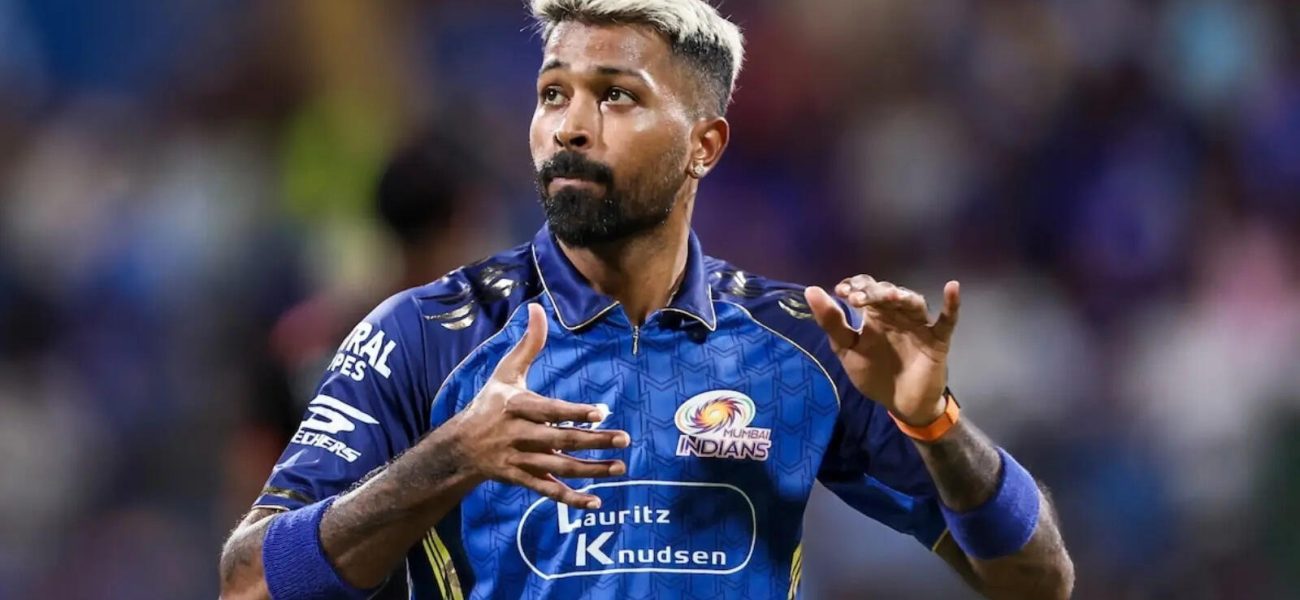
POLICY WIRE — Mumbai, India — It isn’t often a reigning prince finds his crown this heavy, especially when he’s wearing one snatched, arguably, from a widely adored king. But Hardik Pandya—Mumbai Indians’ freshly anointed captain—is currently learning the bitter lesson that fan loyalty in India’s IPL crucible runs deeper than any corporate ledger. This season? It’s been a train wreck, frankly, for the five-time champions. A full-blown leadership crisis, if you ask some.
The blame game, naturally, kicked off early, hitting Pandya like a bouncer to the grille. He took the captaincy from Rohit Sharma, the very man who steered MI to all those glittering titles. Not an easy handover, never was. And the team’s current pathetic showing, stumbling through the league with just four wins from 12 matches according to official IPL statistics, hasn’t done his reputation any favors. They’re only the second side formally ejected from playoff contention, mind you. But hold on, says Ravichandran Ashwin, India’s wily spin maestro. He isn’t buying the narrative that this whole rotten mess is Pandya’s alone to own.
“I wouldn’t review his captaincy this year at all,” Ashwin told ESPNcricinfo recently, cutting through the usual punditry. “Honestly, when you have seasons like this, to pin the blame on the captain is quite unfair. Nobody has turned up. The team has failed to turn up.” He’s got a point. You can change the face at the top, but if the machinery beneath isn’t firing, well, that’s not exactly on the new driver, is it?
Pandya’s track record as a leader isn’t shabby; remember his stint with Gujarat Titans? Two stellar seasons, a title, a runner-up finish. So, his captaincy bona fides aren’t some imaginary friend. And his challenge with MI wasn’t merely about strategy. It was about filling the void left by a legend, absorbing the expectations of a ravenous fanbase, and then dealing with a side that seemed to lose its mojo the moment he walked into the dressing room. “It’s not easy to replace an incumbent Indian captain, white-ball captain, such as Rohit Sharma. Five titles in the IPL,” Ashwin observed, laying out the raw facts of the situation.
But Pandya’s woes aren’t confined to team morale. His personal performance has been pretty dismal, too. The all-rounder has managed a mere 146 runs across eight innings and snagged just four wickets, boasting an economy rate north of 11 runs per over. That’s not the Hardik Pandya everyone knows, the one India relies on for its sporting narratives on the global stage. Ashwin even raised a eyebrow at Pandya’s batting, noting a peculiar ‘lateness’ on the ball. “Is he going through something physically? We wouldn’t know,” he mused. The whispers of a recurring back issue, forcing him to miss three games, haven’t helped settle nerves.
📄 POLICY WIRE WHITEPAPER PUBLISHED: PAKISTAN'S NATIONAL SECURITY POLICY PRIORITIES
👉 READ BY CLICKING HERE“Look, the public pressure on these athletes, especially captains in a league like the IPL, is something else. It’s a weight that can crush you if you let it,” quipped former Indian skipper and pundit Sunil Gavaskar in a recent media appearance, reflecting a sentiment among seasoned cricket observers. “Management needs to be savvy, but ultimately, a leader needs a performing team to back him up. Hardik hasn’t had that.” He’s hit it squarely. The kind of devotion to star players, which permeates South Asian cricket culture—extending far beyond India’s borders, watched with almost spiritual intensity even in Pakistan, where its broadcast availability faces hurdles—means personal failure often feels like a national slight.
And yet, for all the current mud-slinging, Ashwin maintains that Pandya remains a once-in-a-generation talent. You don’t just find players like that kicking around. India’s mastery in T20 cricket in recent times? Pandya, the spinner insists, has been its undeniable linchpin.
What This Means
This leadership saga at Mumbai Indians isn’t just a cricketing blip; it’s a stark reminder of the immense political and economic pressures at play in a league like the IPL. For a franchise that’s essentially a multi-million-dollar corporate entity, sustained poor performance means significant hits to brand value, sponsorship deals, and merchandise sales. It forces a brutal internal examination of management decisions—and we’re talking about a management structure that decided to jettison a serial winner like Rohit Sharma. The fan outrage, intense and social-media driven, demonstrates that for all the sophisticated analytics and corporate governance, raw sentiment can override rational strategy, becoming a formidable force in itself. This wasn’t just a bad season; it was a psychological capitulation under the glare of unyielding expectations, something that could haunt Hardik Pandya’s reputation for years, irrespective of his undeniable talent. The episode serves as a powerful cautionary tale about the perils of shaking up a winning formula, especially when it involves beloved figures. It’s an object lesson in how quickly adoration can turn to scrutiny in the high-stakes world of modern sport.