

Ex-NBA Hopeful Sam Dekker Trades Courtside Stardom for Sideline Grit at South Carolina
POLICY WIRE — Columbia, SC — The shimmering illusion of an NBA career, a brass ring for countless young athletes, doesn’t always glitter as expected. Some talents burn too briefly, some fade...

POLICY WIRE — Columbia, SC — The shimmering illusion of an NBA career, a brass ring for countless young athletes, doesn’t always glitter as expected. Some talents burn too briefly, some fade under the weight of injury, and some—just some—find their true calling away from the court’s center stage, even after a journey through Spain, Turkey, or even Russia. That’s Sam Dekker’s story, but it’s not the whole tale. No, the Gamecocks didn’t just get a new assistant coach. They landed a walking, breathing lesson in the hard realities of pro sports, repackaged for collegiate ambition.
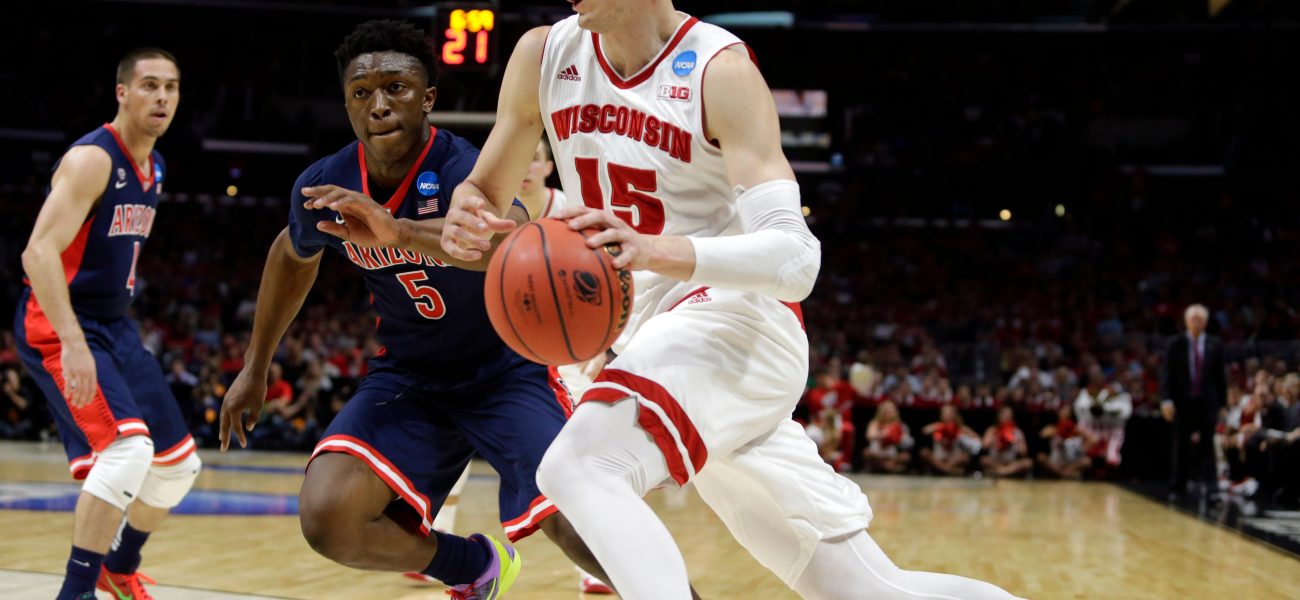
It’s official: Dekker, once a first-round selection with the Houston Rockets in the 2015 NBA Draft (18th pick, if you’re counting), has traded his international player passport for a clipboard, joining Coach Lamont Paris’s staff at the University of South Carolina. The program announced the hire on X, the social media platform, on May 15. A full-circle moment, you could say, given Paris was an assistant at Wisconsin during Dekker’s formidable run to two Final Fours. What feels like a demotion to the casual fan—stepping from Europe’s top leagues to college assistant—is, in fact, a calculated pivot. It’s a move reflecting not just a personal journey, but the evolving economics of American college basketball itself.
Dekker’s path wasn’t supposed to end in Europe’s various outposts, though he enjoyed it, or with him breaking down game film. He had, many thought, the build — and the shot to make an NBA impact. But chronic injuries sidelined him, chipping away at the promise of those early days. The game’s like that. It gives, and then it demands a price. For some, the physical toll ends a dream. For others, it reframes it. Now, instead of chasing his own rebounds, he’ll be molding future pros, bringing a lived-in authenticity that few college coaches can offer. He’s walked the path. He’s seen the mirage and the oasis.
“Development of each player’s individual abilities is as important now as it ever has been in college basketball,” Coach Paris said in the university’s statement, acknowledging the intense, individualized nature of today’s talent pipeline. “Sam’s unique experiences and skillset will allow him to have a tremendous impact on our players and program immediately. He is a winner through — and through, and I am thrilled to add him to our staff.” And he’s right. Because the sheer fact of the matter is, players respond to guys who’ve been there, not just guys who’ve read a textbook.
Dekker, for his part, echoed that sentiment, articulating a familiar passion for the game, but now from a new vantage point. “I couldn’t be more excited to be a part of Gamecock Basketball,” he said. “My 11 years as a pro have provided so many experiences with amazing players, coaches, — and styles. Some of my best memories as a player were competing in two Final Fours with Coach Paris, and I look forward to doing that with him again. My goal is to win in March and give our players the best opportunity for success on and off the court.” It’s a good line. You hope it’s true.
He isn’t just a former player, though. His father, Todd Dekker, coached him at Sheboygan Lutheran. Coaching, you might say, is a bloodline trait. This transition seems less like an abrupt turn — and more like an inevitable gravitational pull. His time abroad, especially in European leagues, provides a particularly relevant asset. In a collegiate landscape increasingly dotted with international talent—players recruited from places like Serbia, Lithuania, and even, yes, occasionally from nascent basketball scenes in regions like the Muslim world or South Asia, though the numbers remain relatively low compared to Europe and Africa—Dekker’s global understanding won’t hurt. It’s an unspoken credential, a cultural shorthand that helps bridge divides for young men thousands of miles from home.
📄 POLICY WIRE WHITEPAPER PUBLISHED: PAKISTAN'S NATIONAL SECURITY POLICY PRIORITIES
👉 READ BY CLICKING HEREOne hard statistic to consider: While roughly 1.2% of NCAA men’s basketball players go on to be drafted into the NBA, the pathway to coaching for former players, particularly those with professional experience, is far less linear, but often incredibly rewarding. His resume—NBA draftee, EuroLeague participant, college star—positions him perfectly.
What This Means
Dekker’s hiring is more than just adding a recognizable face to the bench; it’s a strategic move for the Gamecocks. First, it instantly elevates recruiting, especially in the Midwest, a hotbed of talent that’s historically tough to pull South. Dekker’s Wisconsin ties, not to mention his firsthand understanding of what it takes (and what can go wrong) at the next level, are invaluable for attracting top-tier prospects and their parents, wary of collegiate promises.
And then there’s the broader impact on the NCAA’s evolving financial ecosystem. With Name, Image, and Likeness (NIL) deals now reshaping collegiate athletics, bringing in coaches with high-level professional cachet—men who understand market value and personal brand building—can directly influence a program’s economic attractiveness to potential players. It’s an investment in the human capital of the roster. A savvy athletic department recognizes that the quality of coaching staff isn’t just about on-court strategy, it’s about player development as a financial asset. it speaks to a growing trend where established European talent or even former NBA G-League players find second acts not in another overseas contract, but by mentoring the next generation in college. It makes the college experience feel more connected to the elusive professional dream. This could be a new kind of power dynamic, shaping the landscape for programs across the board.
So, the saga continues for Sam Dekker. His playing days might be largely in the rearview mirror, but the competitive fires? They’re clearly still blazing. And now, they’ll be aimed at propelling a new generation of Gamecocks to, dare we say, their own Final Fours. A shrewd hire. A necessary evolution. You can almost see the gears turning.