


Germany’s Iron Curtain: Neuer’s Longevity, a Masterclass in Bayern’s Policy, Not Just Athleticism
POLICY WIRE — Munich, Germany — There’s a certain grim predictability to modern high-performance careers. They burn bright, they burn fast, and then—poof—they’re often gone, relegated to...

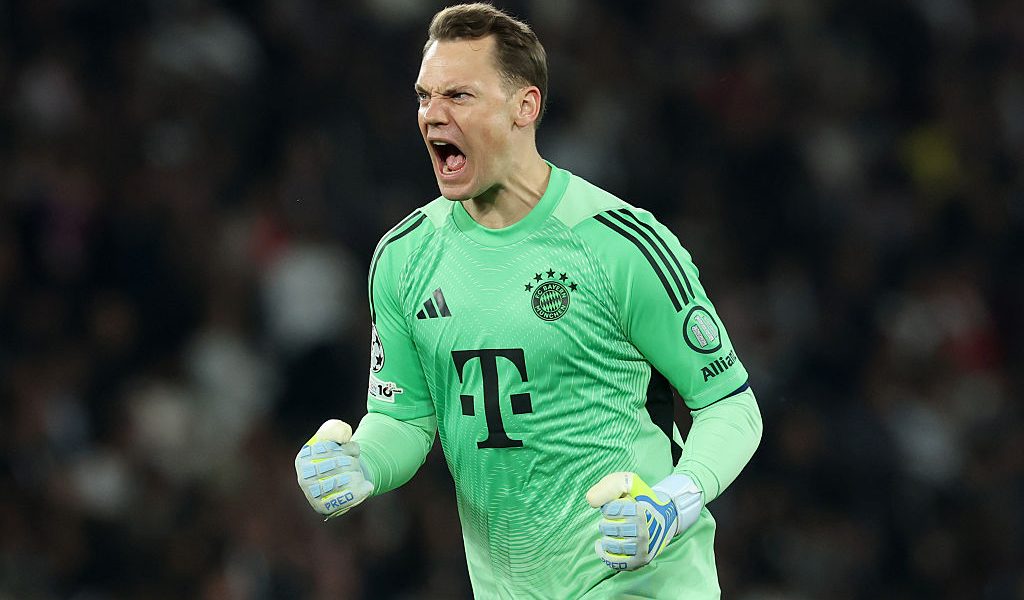
POLICY WIRE — Munich, Germany — There’s a certain grim predictability to modern high-performance careers. They burn bright, they burn fast, and then—poof—they’re often gone, relegated to punditry or, worse, golf. But not everyone gets that memo. Especially not if you’re a titan like Manuel Neuer, who, it turns out, isn’t quite done yet. His fresh agreement to guard Bayern Munich’s net through June 2027 isn’t just another contract extension for a storied goalkeeper; it’s a policy statement, a bold declaration of intent in a game increasingly obsessed with the next shiny, young thing.
Because let’s be real, a man continuing at the top tier until 41 isn’t common. It flies in the face of what conventional wisdom (and certainly most actuarial tables) tells us about elite athletic shelf-life. But then, Bayern isn’t exactly a conventional club. They’re a dynasty, an industrial-strength footballing machine that understands stability often trumps speculative youth bets. This latest deal with Neuer, officially inked on Friday, extends his tenure beyond an already remarkable 15 years with the Bavarian giants. It’s almost audacious, isn’t it?
“Manuel isn’t just a player; he’s an institution, a bedrock upon which our modern successes are built,” declared Herbert Hainer, Bayern Chairman, with the kind of gravitas you’d expect from a man overseeing a footballing juggernaut. “This contract reflects our unwavering confidence, not only in his continued athletic excellence but in his enduring value as a symbol of what Bayern represents globally. It’s an investment in legacy, pure — and simple.” And he’s right. For Bayern, it’s about far more than just saves; it’s brand power, fan loyalty, and the comforting predictability of an established order.
You’ve got to admire the German efficiency, really. No fuss, no drawn-out sagas—just a deal done. This approach—unflinching belief in established, proven quality—isn’t unique to Bayern, or even Germany. You see hints of it in various state-backed enterprises or long-standing political regimes across the globe, sometimes even stretching from Riyadh to Rawalpindi. Consider how older, respected figures are often maintained in advisory or leadership roles, offering perceived stability despite their advancing years. In regions where political or economic turbulence is a recurring theme, such continuity, even in a sporting context, speaks volumes about preferred operational philosophies. It provides an anchor.
But anchors eventually rust. Or do they? Dr. Jürgen Limmer, a seasoned economist at the Berlin Institute for Sports Economics, offered a more pragmatic, perhaps cynical, view. “There’s a clear commercial logic here. You’re talking about a player who, even at an advanced age, generates significant commercial interest. His shirt sales remain astronomical globally; his presence secures broadcasting revenue,” Limmer told Policy Wire. “And a seasoned veteran goalkeeper like Neuer, he’s like a good bond in a volatile market—reliable. You’ve always got to look beyond the pitch. The numbers don’t lie. FIFA data from 2023 shows European football clubs collectively raked in over $7 billion from player transfers alone. Maintaining an icon at peak commercial appeal? That’s just good business sense, not sentimentality.”
📄 POLICY WIRE WHITEPAPER PUBLISHED: PAKISTAN'S NATIONAL SECURITY POLICY PRIORITIES
👉 READ BY CLICKING HEREThey’ve got a tight grip, don’t they? And this isn’t merely about an aging sports star; it’s a case study in managing talent, perception, and enduring economic value. While some clubs chase fleeting fame, Bayern doubles down on proven commodities, even if they’re getting a bit creaky. It makes you wonder how long such dynasties can afford to cling to their kings before a legitimate, younger heir steps up, doesn’t it?
What This Means
Neuer’s contract extension is more than a footnote in football news; it’s a stark, compelling reflection of calculated risk-management in an increasingly competitive global sports economy. For Bayern, it signals a commitment to short-term stability and continued revenue streams, delaying the inevitable and expensive search for a successor. Politically, European football clubs, particularly those of Bayern’s stature, act as potent symbols of national and regional soft power. Manuel Neuer, with his global recognition, isn’t just a German athlete; he’s an unofficial ambassador. Maintaining such a recognizable figure, especially as other nations — like emerging football markets in the Gulf — aggressively seek to buy into the sport’s global appeal, preserves a distinct European cultural and economic advantage.
Economically, this decision reflects a broader trend of leveraging established brand equity, rather than undergoing costly, high-risk transitions. For fans in South Asia and the Muslim world, where European football is consumed with fervent passion, it represents continuity of an idol. Millions will continue to watch his games, purchase his merchandise, and engage with the Bundesliga, solidifying Germany’s cultural footprint in regions far removed from Munich. But there’s also an underlying economic tension: every extension of an aging star postpones investing in a younger generation. Eventually, the bill comes due. It’s a gamble that hinges on Neuer’s continuing, almost miraculous, physical defiance. And what if it doesn’t? That’s when the cracks in even the sturdiest institutions start to show, revealing the true cost of betting on current rather than future investment. Until then, though, Neuer will be there, a familiar, slightly older, but undeniably resolute presence. Just don’t ask him to sprint for ninety minutes.