


Desert Anthem: Albuquerque’s Cacophonous Gamble on Boots, Bass, and Economic Bliss
POLICY WIRE — ALBUQUERQUE, N.M. — The New Mexico sun, normally a silent witness to high-desert tranquility, is bracing itself. Again. For its third consecutive year, the Balloon Fiesta Park — that...

POLICY WIRE — ALBUQUERQUE, N.M. — The New Mexico sun, normally a silent witness to high-desert tranquility, is bracing itself. Again. For its third consecutive year, the Balloon Fiesta Park — that vast, sun-baked expanse more accustomed to hot air than bass drops — is poised to host what organizers are loudly proclaiming will be the biggest iteration yet of ‘Boots in the Park.’ We’re talking more than two dozen acts, multiple stages, and a projected 60,000 souls stampeding across the landscape this weekend.
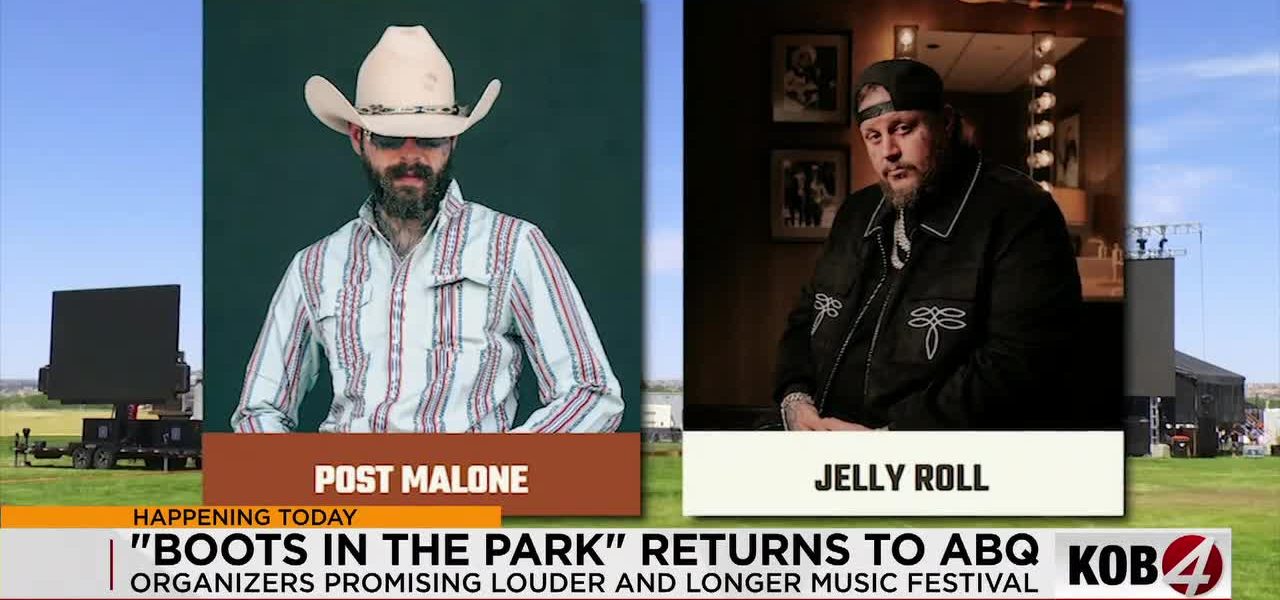
It’s a peculiar spectacle, isn’t it? A desert city, renowned for its pueblos and a certain blue crystal meth operation on AMC, morphing into a temporary Nashville-meets-Coachella hub. But the economics, apparently, sing a powerful tune. Organizers are ecstatic, local officials are, shall we say, acquiescent, and the city’s coffers are eyeing a healthy, albeit temporary, surge. They’ve even got headliners like Jelly Roll — and Post Malone this time around. Because nothing screams country music like a rapper — and an artist who transcends genre, right?
Bonnie Marquez, a key figure with Activated Events, can barely contain her enthusiasm. “We’re going bigger, multiple stages. As you can see, we’re putting the final touches on it. We’ll be ready for you at noon to come in and have a really great day,” she chirped to local reporters, presumably amidst the frantic clamor of construction. They’ve apparently broadened their horizons this year, expanding into new territory for the festival’s demographic. A mixology bar? Bigger line-dancing tent? Yes, they’ve got ’em. More artwork — and photo installations, too, she added, painting a picture of an experiential desert playground.
But the true policy victory for Activated Events came from the city itself. They actually approved later hours and, crucially, louder sound for this year’s shindig. It’s a remarkable testament to the persuasive power of anticipated tax receipts. Councillor Evelyn Montoya, representing the city’s Fourth District, put it quite plainly, albeit diplomatically: “We balance quality of life for our residents with the need to stimulate our local economy. This festival represents a significant economic driver. And honestly, it puts Albuquerque on the map for a different kind of tourism, drawing younger demographics that might not otherwise experience our unique culture.” Sounds about right, doesn’t it? The drone of distant bass becomes background music to urban renewal efforts. New Mexico, a state that saw tourism spending generate a reported $8.3 billion in 2022, isn’t shy about chasing every last dime.
Marquez, in her role as chief evangelist, encouraged patrons to embrace the elements: layers, water, sunscreen. It’s almost as if she anticipates the demographic drawn to a desert country-rap festival might not be entirely prepared for the nuances of arid environments. Imagine that. She confirmed a dwindling supply of tickets. You know, just in case you haven’t bought yours yet.
📄 POLICY WIRE WHITEPAPER PUBLISHED: PAKISTAN'S NATIONAL SECURITY POLICY PRIORITIES
👉 READ BY CLICKING HEREThis whole spectacle — the logistical labyrinth of feeding and watering 60,000 people, the negotiation of noise ordinances, the sheer audacity of constructing a temporary city of revelry in an otherwise unassuming landscape — provides a curious mirror for public policy. How much chaos, or rather, vibrant commerce, is a city willing to absorb for a weekend?
What This Means
Albuquerque’s eager embrace of ‘Boots in the Park’ reflects a broader, almost desperate, civic strategy playing out in cities across the globe: the reliance on event tourism to pump money into local economies. It’s a gamble, always, but one many municipal leaders seem increasingly willing to take. Politically, the approval of “louder sound” — and longer hours, let’s not forget that — suggests a calculated decision to prioritize short-term economic gains over potential resident complaints about noise pollution. It’s a stark illustration of how the perceived benefits of visitor spending often outweigh localized inconveniences. And don’t imagine this is exclusive to the American West; cities from Marrakech to Kuala Lumpur are wrestling with the exact same calculations, balancing cultural preservation with global tourism’s voracious demands. They’re trying to figure out how to market their own unique — or sometimes generic, like a country-trap festival — identities on the world stage, knowing full well the logistical nightmares involved. Consider the sheer administrative burden of managing something like Pakistan’s urs festivals, which draw millions to religious shrines; the planning, the crowd control, the sanitation, the security — it’s not just about ticket sales. The complexities are staggering, and often, the unforeseen challenges can be significant, even in a seemingly benign environment like Balloon Fiesta Park.
Economically, such festivals offer a concentrated injection of cash. Think about it: hotel bookings surge, local eateries see lines out the door, temporary employment spikes. But it’s also a fleeting boom, leaving behind only the lingering scent of stale beer — and perhaps a bit of litter. Because these aren’t sustained growth engines; they’re high-octane adrenaline shots, designed to temporarily mask underlying economic vulnerabilities. Policy-wise, it pushes cities to evaluate their infrastructure capabilities — from transportation networks to waste management — under immense, brief pressure. And sometimes, you know, they buckle.