

Luxury Imprisonment: France’s Cruise Ship Quarantine Stokes Diplomatic Chill
POLICY WIRE — Marseille, France — Sun-drenched decks and all-inclusive buffets. That’s the dream, isn’t it? The glossy brochures always skip the part where your five-star floating palace morphs into...

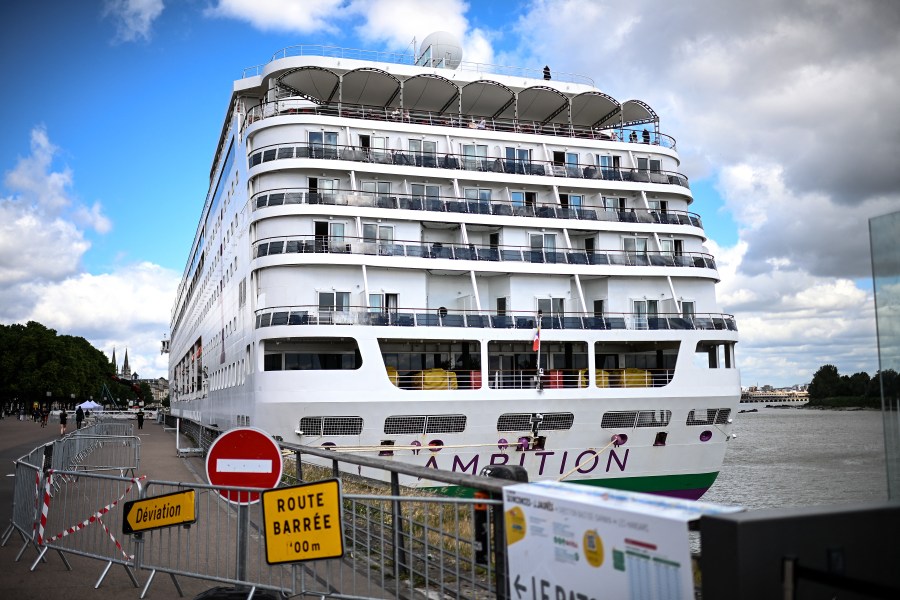
POLICY WIRE — Marseille, France — Sun-drenched decks and all-inclusive buffets. That’s the dream, isn’t it? The glossy brochures always skip the part where your five-star floating palace morphs into an involuntary high-seas detention center. But that’s precisely the peculiar predicament facing hundreds of souls aboard the Oceanic Grandeur, presently anchored – not docking, mind you, but effectively moored by mandate – in the international waters off France’s Mediterranean coast.
It wasn’t a rogue wave or an ice-cold martini that snagged their grand European adventure. No, it was something far more mundane, yet insidious: an undisclosed illness outbreak that has Parisian officials, always quick to assert their national sovereignty (even over airborne pathogens), locking down the vessel like a maritime Alcatraz. Guests, who’d anticipated historic strolls through Provence or a charming wine tasting, found themselves instead trapped in a bio-containment experiment, their every sunbathing session overshadowed by the grim specter of forced quarantine. It’s a vivid, albeit unasked-for, lesson in who actually holds the leash when a global health crisis rears its head.
The exact nature of the bug remains a bureaucratic whisper, but the government’s response has been anything but quiet. And it’s prompted uncomfortable questions about the fine line between public health safeguarding and outright overreach. “Our primary concern is the public health of our citizens — and all who visit our shores. These measures, while regrettable for individuals, are an essential component of our national infectious disease protocol,” stated Dr. Olivier Véran, France’s former Minister of Health, in a calculated public address earlier this week. His tone suggested empathy, but the steel underneath it was unmistakable.
But those stuck aboard aren’t buying it. Many paid princely sums for this escape. “When you book a holiday, you don’t sign up for house arrest at sea. This situation—it just strips away basic consumer rights, doesn’t it?” fumed Anna Montaigne, spokesperson for the European Travel Rights Initiative, a body increasingly vocal on such state-imposed disruptions. Her organization reports a surge in calls from passengers detailing dwindling morale, growing frustration, and, crucially, significant financial losses due to missed connections and commitments back home.
This isn’t some isolated incident; it’s a symptom of a larger, global nervousness, particularly in the post-pandemic era. Borders have teeth now, — and governments aren’t shy about flexing those muscles. Imagine for a moment a large community from Pakistan or any South Asian nation, planning an international pilgrimage or a family reunion across continents. The shadow cast by this cruise ship detention might make them pause. Travel from these regions often involves complex visa processes and significant financial outlay; the idea of arbitrary, government-mandated confinement, even in the name of health, feels like a capricious lottery. What’s next—quarantining Hajj pilgrims if someone coughs too loudly?
The incident also casts a particularly unflattering light on the delicate balance of the travel industry. Cruise Lines International Association (CLIA) reported that approximately 31.7 million passengers sailed in 2023. That’s a staggering number of potential diplomatic incidents, isn’t it, if every sneeze can trigger a governmental lockdown? For an industry already struggling with reputation after a series of less-than-glamorous incidents—everything from norovirus outbreaks to ecological concerns—this kind of intervention feels like a body blow.
📄 POLICY WIRE WHITEPAPER PUBLISHED: PAKISTAN'S NATIONAL SECURITY POLICY PRIORITIES
👉 READ BY CLICKING HEREThe French tourism sector, an economic powerhouse, won’t appreciate the optics either. People spend fortunes to visit France, but they usually expect to, you know, actually step foot on French soil. This latest development only adds layers of complexity, raising anxieties that could deter future visitors. And it won’t help the broader European travel recovery either, as passengers look at the unpredictable policies that might suddenly truncate their holidays, or even trap them in an unexpected, un-Instagrammable quarantine.
What This Means
This seemingly contained incident has tentacles reaching far beyond the bow of the Oceanic Grandeur. Politically, it signals a reinforced willingness by sovereign nations, particularly in Europe, to prioritize public health over individual liberty, even when that liberty is packaged as a luxury vacation. France, no stranger to assertive diplomacy and a particular brand of bureaucratic fortitude—a spirit you might even find echoed in discussions around the NBA’s long-standing bureaucratic struggles—is setting a precedent. It suggests that once a vessel enters national waters, it’s fair game for domestic health protocols, regardless of passenger origin or constitutional nuances that may govern their home countries.
Economically, the message sent to the global travel industry is grim: prepare for disruption. Travel insurance companies will undoubtedly revise policies, raising premiums, and passengers might think twice about the perceived safety of international waters. There’s a tangible risk of brand damage for affected cruise lines, but more broadly, for destinations seen as overly restrictive or prone to abrupt detentions. Countries reliant on tourism—and France is certainly one of them—could find themselves navigating a new wave of traveler hesitation. And because trust in seamless, international movement is now eroding, expect heightened scrutiny and potentially punitive responses from countries whose citizens find themselves inconvenienced or, worse, involuntarily confined by the public health dictates of others.