


India’s Sticker Shock: Soaring Energy Costs Deliver a Gut Punch to Household Budgets, Political Ambitions
POLICY WIRE — New Delhi, India — The carefully orchestrated hum of India’s economic growth engine just got drowned out by a distinct, uncomfortable grinding noise. It’s the sound of everyday...

POLICY WIRE — New Delhi, India — The carefully orchestrated hum of India’s economic growth engine just got drowned out by a distinct, uncomfortable grinding noise. It’s the sound of everyday budgets straining, pushed to their absolute breaking point. A recent report — mostly glossed over by state-backed media, one suspects — paints a grim picture: wholesale inflation in the country has ballooned, hitting an uncomfortable 3-1/2-year high. A brutal 8.3%. Don’t misunderstand; this isn’t just numbers on a spreadsheet. This is the real-world sting felt at every market, every gas pump, every household across a billion-plus lives.
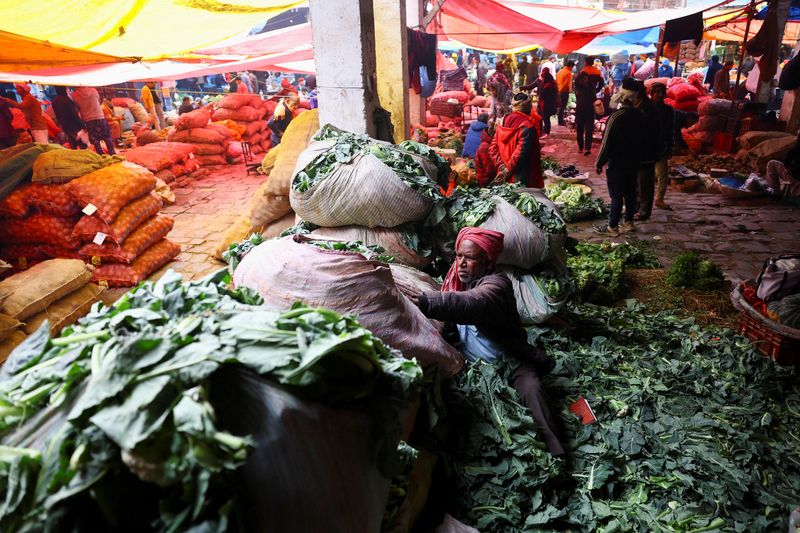
It’s primarily an energy story, isn’t it? Crude oil prices have been playing an aggressive game of ‘up and up’, and India, a major net importer, is feeling the full brunt of it. That means everything from factory operating costs to the price of your daily commute jumps. And because it’s India, where food and fuel form the twin pillars of any household’s expenditure, this isn’t some abstract economic phenomenon; it’s a direct assault on the average person’s wallet. They’re watching their disposable income evaporate.
Finance Minister Nirmala Sitharaman, never one to panic publicly, acknowledged the headwinds—“We’re navigating unprecedented global supply chain disruptions and geopolitical shifts, but our core economic fundamentals remain resilient,” she reportedly told an assembly of industry leaders behind closed doors. Resilience is one thing; practical relief is quite another when your grocery bill looks like a phone number. But the opposition, predictably, smells blood in the water. “This government is failing the common man, plain and simple,” fumed Congress leader Rahul Gandhi in a recent social media post. “Prices are skyrocketing, — and they offer only platitudes. It’s an unacceptable betrayal.”
It’s not just the domestic scene that takes a beating. The ripple effects of India’s economic tremors can – — and often do – echo across the wider South Asian region. Think of its neighbors, nations already walking their own tightropes. Pakistan, for instance, has been wrestling with its own, far more dire, inflation beast for months, driven by similar global commodity shocks and internal mismanagement. A strong Indian economy usually offers a degree of regional stability, or at least a buffer against worse. But when India starts feeling the squeeze, every small vendor in Dhaka and every truck driver in Karachi gets a shiver down their spine, anticipating what that might mean for regional trade, supply chains, and the broader economic narrative that binds this incredibly populous, incredibly complex part of the world together. Because no economy, not even one as large as India’s, exists in a vacuum. Geopolitical pressures from soaring energy costs are not unique to India; for insights on other affected nations, read about Tehran’s quiet surge.
Economists at the Reserve Bank of India, no strangers to walking a delicate line between managing growth and taming prices, now face an unenviable dilemma. Do they hike rates aggressively to cool inflation, potentially choking off growth? Or do they stay pat, hoping global energy markets eventually calm down – a hope that feels more like a prayer these days, doesn’t it? The April data from the Ministry of Commerce & Industry reveals the core of the problem: a substantial portion of the 8.3% rise came directly from mineral oils, electricity, and manufactured goods inflation. This isn’t just seasonal vegetable price wobbles; it’s structural. And that, folks, is much harder to fix.
📄 POLICY WIRE WHITEPAPER PUBLISHED: PAKISTAN'S NATIONAL SECURITY POLICY PRIORITIES
👉 READ BY CLICKING HEREWhat This Means
Politically, this sustained surge in prices – particularly those tied to essentials like fuel – becomes political nitroglycerine, doesn’t it? For the ruling Bharatiya Janata Party (BJP), it directly challenges their narrative of strong, stable economic stewardship ahead of key state elections and the big general election looming. The common citizen remembers what their money bought yesterday — and sees what it buys today. It breeds discontent, makes promises ring hollow. Economically, we’re looking at reduced purchasing power, dampened consumer demand—a real drag on what was supposed to be one of the world’s fastest-growing major economies. Small businesses, the backbone of India’s informal sector, are taking a beating. Higher input costs translate to higher final prices or, more often, thinner margins that threaten their very survival. This inflation isn’t just inconvenient; it’s an active disrupter of social contracts. It makes people question—sometimes violently—the promises made to them. It forces hard decisions, like which meal to skip, or whether that vital medicine can even be afforded. For context, see how other regional players navigate international pressures, like Delhi’s Tightrope with global blocs.
So, where do we go from here? Don’t hold your breath for a quick fix. This situation demands more than just macroeconomic tweaks. It requires careful navigation of both global market forces and — perhaps more critically — domestic political sensitivities. The alternative? A potentially destabilized economy and a thoroughly disgruntled populace, and neither bodes well for the next chapter of India’s ascent.