

Pecos Picket Lines: New Mexico’s River Wars Flow On, Testing Public Trust
POLICY WIRE — SANTA FE, N.M. — It’s a conflict as old as the arid landscape itself, a simmering frontier skirmish transposed onto the digital age. This isn’t some far-off geopolitical squabble over a...

POLICY WIRE — SANTA FE, N.M. — It’s a conflict as old as the arid landscape itself, a simmering frontier skirmish transposed onto the digital age. This isn’t some far-off geopolitical squabble over a shrinking sea, though the principles feel remarkably similar. No, this particular dust-up unfolds along the banks of New Mexico’s storied Pecos River, where a simple cast of a fishing line can land you squarely in court – or, if you’re Erik Briones, a landowner, on the hook for thousands.
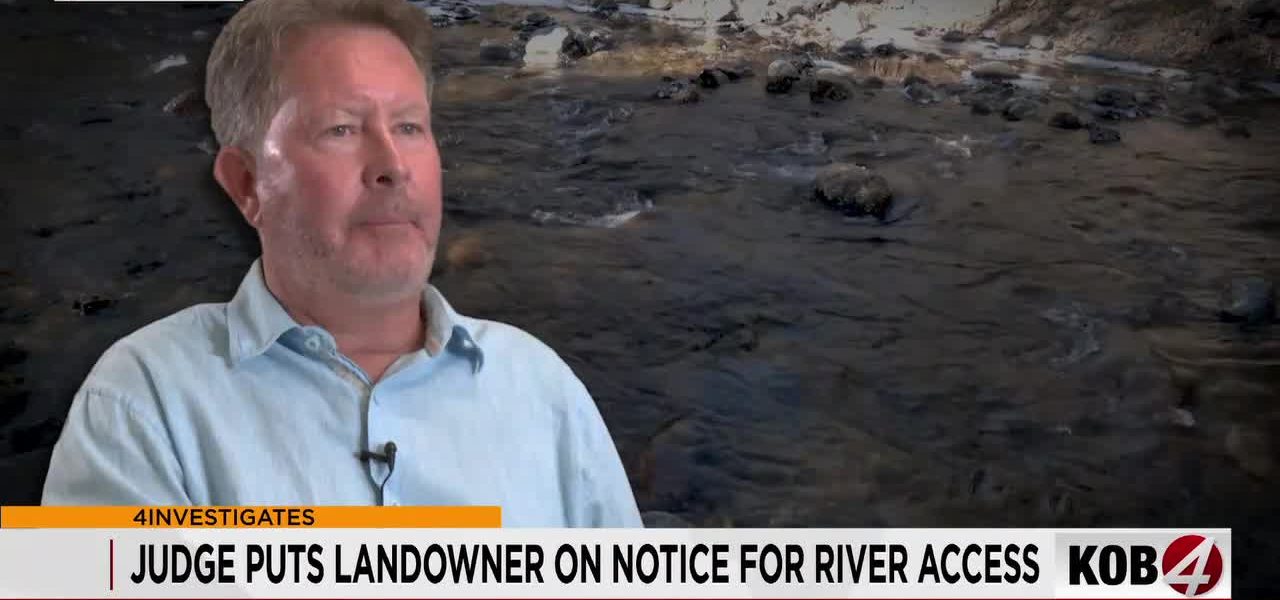
Briones, now squarely in the legal crosshairs, is grappling with a judge’s mandate to undo alleged tampering with the riverbed and remove obstructions, or face financial penalties that would make most folks’ eyes water. Because here’s the rub: in New Mexico, those watery pathways coursing through private property often remain public. It’s an inconvenient truth for some property holders, one that routinely pits riparian landowners against recreational enthusiasts and the state’s determined Attorney General.
Judge Flora Gallegos presided over an emergency hearing recently, scrutinizing whether Briones had flouted a standing order safeguarding the public’s inherent right to traverse—or “walk and wade through,” in legal parlance—the state’s riverbeds. Briones, representing himself with several fellow landowners observing, stood accused of hiring someone to dig trenches in the riverbed, ostensibly to deter anglers. He even copped to an employee getting “a little carried away” with the shovel, promising a prompt remediation. That said, he still feels targeted. “I feel like the AG is picking on me,” Briones reportedly told the court.
But this isn’t just about Briones, or some muddy trenches. This whole affair lifts the lid on a deeper, persistent tension in the American West – one echoed across resource-scarce regions globally. Think of it: the battle over communal resources, especially water, plays out from arid New Mexico to the parched farms along Pakistan’s Indus Basin, where debates over allocation, access, and control dictate livelihoods and, frankly, political stability. Here, it’s fishing access. There, it’s sustenance. But the fundamental clashes over rights — and responsibilities often share a striking resemblance.
The state’s perspective is less about individual grudges — and more about upholding precedent. Prosecutors weren’t having any of Briones’ claims of victimhood, asserting quite bluntly that “the law is the law, and everyone needs to follow the rules.” It’s a clean, simple mantra, often trotted out when property lines blur with public thoroughfares. And for New Mexico’s Attorney General, Héctor Balderas, the principle of public access to these waters is non-negotiable. “The sanctity of public access to our natural resources isn’t just some legal nicety; it’s a bedrock principle, and we’ll protect it relentlessly,” Balderas stated through a spokesperson when Policy Wire inquired about his office’s resolve.
The judge’s ruling laid out a clear path: Briones must undo the river excavation work and yank out any barbed wire fencing from the riverbed within 10 days. Miss that deadline? A daily $1,000 fine for seven days. Fail again? That jumps to $5,000 per day. They aren’t messing around.
Landowners, however, tell a different story. They’ve aired grievances to journalists about fishermen allegedly straying onto private land, leaving trash, and generally acting like boors. Yet, the official records tell another tale. For instance, in one concentrated period on Saturday, May 9, 2026, Game and Fish officers issued a grand total of 14 criminal citations along the Pecos – nine for unlicensed fishing, two for over-the-limit trout, two for adults invading kids’ fishing zones, and one for ignoring posted signs. But get this: out of eight individuals investigated for trespassing on private land that same day, every single one was spotted by the officers themselves. Not one report came from a landowner. This raises a quiet eyebrow, doesn’t it?
📄 POLICY WIRE WHITEPAPER PUBLISHED: PAKISTAN'S NATIONAL SECURITY POLICY PRIORITIES
👉 READ BY CLICKING HERESan Miguel Under Sheriff Mike Padilla declined to comment on his department’s enforcement efforts. And you’ve gotta wonder if the perceived problem isn’t always matching the verifiable data. Perhaps the issue isn’t quite as widespread or unmanaged as some landowners imply, or maybe it’s a simple case of selective memory when it comes to who’s doing what wrong.
But the public’s right to water, to recreation—it’s considered foundational. This current situation with Briones, then, isn’t an isolated incident; it’s part of an ongoing, simmering saga across the American West. Land, water, freedom to roam; these aren’t just amenities, they’re parts of a state’s cultural identity and its economic draw, for tourists and locals alike.
New Mexico Department of Game and Fish spokesman, Marcus Chavez, put it pretty succinctly when we pressed him on the recurring friction. “This isn’t about villainizing landowners. It’s about clear boundaries — and respecting shared resources. When rules are flouted, enforcement follows, plain and simple.” His words imply a long road ahead, where every disputed inch of riverbed could potentially lead back to court.
What This Means
This localized conflict on the Pecos River mirrors larger political and economic currents flowing through New Mexico and, indeed, other states where historic land grants clash with modern recreational demands. For the state government, particularly the Attorney General’s office, the forceful upholding of public access isn’t just a matter of law; it’s a strategic defense of an outdoor recreation industry that generates significant revenue. It’s a key selling point for tourism, drawing anglers, rafters, — and hikers. When access becomes fraught with legal battles — and physical obstacles, it chills the very activity the state promotes. Economically, unrestricted access supports local businesses dependent on outdoor enthusiasts – bait shops, guide services, accommodation providers – a substantial, if often underestimated, sector of the rural economy. And in debates over public land use, the economic ripple effects are rarely minor. Politically, this ruling reasserts state authority over natural resources, sending a clear message to other landowners who might consider similar exclusionary tactics. But it also exposes the raw nerve of property rights, feeding a narrative among some rural landowners of overreach by Santa Fe. This makes for a tricky balancing act for elected officials, as they seek to cater to both recreationists and landholders, each with deeply held convictions about what’s theirs.