


Stadiums & Spectacle: FIFA’s Calculated Gamble on Pop Icons for World Cup Glory
POLICY WIRE — East Rutherford, New Jersey — Forget the ninety minutes of strategic play or the tense extra time; the real contest for global attention at the upcoming World Cup final might just...

POLICY WIRE — East Rutherford, New Jersey — Forget the ninety minutes of strategic play or the tense extra time; the real contest for global attention at the upcoming World Cup final might just unfold during the halftime break. FIFA, never one to shy from a grand, sometimes overwrought, gesture, has finally laid its cards on the table. They’re importing the unabashedly American Super Bowl model wholesale, installing a dazzling, high-octane pop concert at the heart of what was once, believe it or not, just a football match. And what a line-up they’ve got planned.
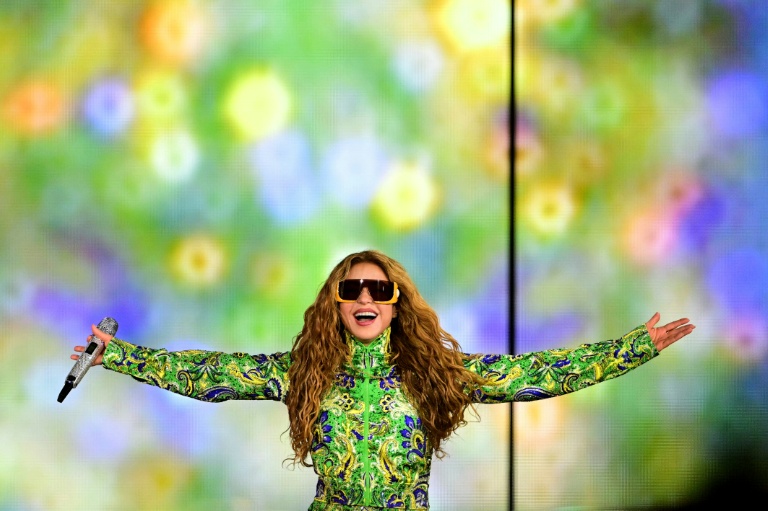
It’s not enough anymore, it seems, for the sport to stand on its own two legs. FIFA, ever vigilant for new revenue streams and eyeballs, confirmed Thursday that pop titan Madonna, Latin superstar Shakira, and K-Pop sensation BTS will anchor the inaugural World Cup final half-time spectacle at MetLife Stadium on July 19. They’re chasing that coveted Super Bowl shimmer, don’t you think? It’s a shift that says less about enhancing the game and more about selling a comprehensive global entertainment package, shrink-wrapped and ready for mass consumption.
This isn’t an organic emergence from football culture, not really. This is a deliberate, corporate curation, masterminded in part by Coldplay’s Chris Martin. The choice of acts feels almost algorithmically perfect: three behemoths who collectively span generations and geographical divides, each a global brand in their own right. You’ve got Madonna—the enduring pop icon; Shakira—the perennial World Cup anthem queen; and BTS—the youth phenomenon whose fan armies are legion. It’s a guaranteed engagement generator, pulling in diverse demographics who might not otherwise bother with soccer (or football, as the rest of the world insists).
FIFA President Gianni Infantino, ever the showman, has been telegraphing this move for months. He first hinted at the half-time extravaganza last March, sans details. Now, with the roster confirmed, his Instagram proclamation reads a little differently: “This will be a historic moment for the FIFA World Cup and a show befitting the biggest sporting event in the world.” It’s a statement that, in its subtle overreach, implies the sport itself might require a pop star veneer to truly justify its self-proclaimed grandeur. They’ve even experimented, trying out this format during the 2024 Copa America in Miami, featuring Shakira, and then at last year’s FIFA Club World Cup final—also at MetLife Stadium—where it, predictably, stretched the break well beyond the regulation fifteen minutes. Because, of course, a little more corporate exposure won’t hurt, will it?
Shakira, as mentioned, is virtually inseparable from World Cup lore now. She’s basically the competition’s unofficial musical director, a permanent fixture. She dropped hints just last week about the official 2026 World Cup anthem, “Dai Dai,” showcasing snippets from Brazil’s Maracana Stadium. (She practically lives on football pitches at this point, bless her). The clip, also shared by FIFA World Cup accounts, wraps up with a cheeky, yet entirely corporate, message: “We’re ready!” Ready for what, exactly? For the music, for the merchandise, for the stadium experience? For anything but just the game, it seems. And that’s a thought, isn’t it?
This concerted effort to fuse sport and pop culture isn’t just about entertainment; it’s a calculated business maneuver targeting the planet’s burgeoning media markets. Think about the colossal audience: a staggering 1.5 billion people tuned in globally for the 2022 World Cup final in Qatar, according to FIFA figures. Imagine layering an American-style production onto those numbers. Markets in South Asia and the broader Muslim world, with their youthful populations and increasing digital penetration, represent an enormous, often untapped, reservoir of consumers. This half-time show isn’t just for American viewers; it’s beamed straight into Karachi living rooms, Dhaka cafes, and Jakarta streaming devices, offering a universal — if carefully engineered — cultural touchstone.
📄 POLICY WIRE WHITEPAPER PUBLISHED: PAKISTAN'S NATIONAL SECURITY POLICY PRIORITIES
👉 READ BY CLICKING HERE“We’re essentially crafting a global pop-culture nexus, leveraging football’s universal appeal to expand into new fan bases,” remarked Dr. Aisha Khan, a cultural sociologist specializing in global media trends at the University of Lahore. “It’s not just about showcasing artists; it’s about embedding the FIFA brand deeper into everyday global conversations, ensuring sustained engagement long after the final whistle.”
Because that’s the play here. It’s about selling an experience, a lifestyle. “You’ve got to deliver more than just a game these days,” asserted Mr. Julian Hayes, a FIFA Senior Marketing Executive, off the record. “People expect a spectacle. And we’re giving it to them, on a truly unprecedented scale.” An unprecedented scale, indeed.
What This Means
This unprecedented investment in the World Cup half-time show isn’t merely about good vibes; it represents FIFA’s continued pivot from a sports governing body to a global entertainment conglomerate. Economically, the move will generate immense sponsorship revenue, enhance broadcasting deals, and drive merchandise sales far beyond what the game alone could achieve. It’s about maximizing every second of screen time, transforming the half-time break from a pause in the action to a high-value content block. Politically, the event further positions the World Cup — especially one co-hosted by the US, Canada, and Mexico — as a soft power tool. It projects an image of global unity and modern appeal, using universally recognized pop icons to transcend national boundaries. It’s an exercise in brand-building on an international scale, carefully crafted to capture the imagination of billions, all while deepening commercial ties and embedding FIFA’s cultural dominance across every continent. The actual game might just be the opening act for a much larger, very profitable, show.