


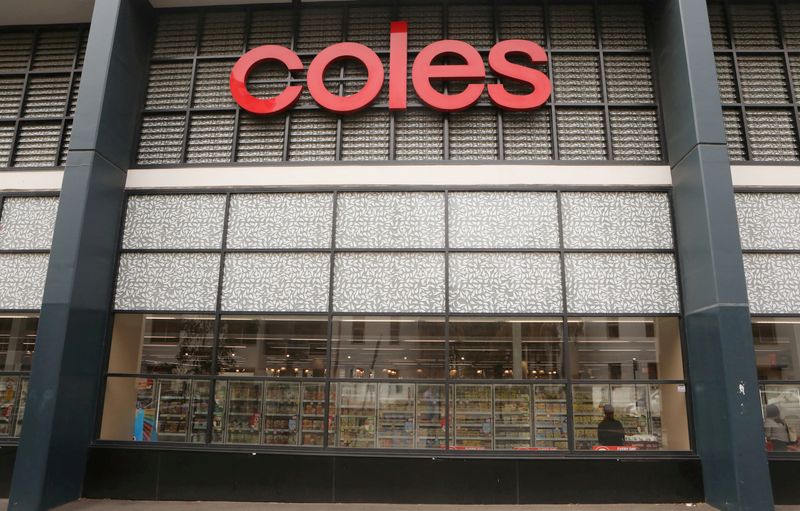
Discount Deception: Australian Giant Coles Caught With Its Fingers in the Shopper’s Till
POLICY WIRE — Canberra, Australia — That weekly ritual—the hunt for a bargain amidst aisles stacked high, the hopeful gaze at a discounted price tag—just got a good deal more cynical. Turns out, for...

POLICY WIRE — Canberra, Australia — That weekly ritual—the hunt for a bargain amidst aisles stacked high, the hopeful gaze at a discounted price tag—just got a good deal more cynical. Turns out, for millions of Australian shoppers, those advertised savings might have been nothing more than an elaborate mirage. A high court has slammed one of the nation’s dominant grocery chains, Coles, finding it repeatedly engaged in deceptive conduct, presenting ‘discounts’ that were anything but.
It’s a story as old as commerce itself: the consumer, armed with a trolley and a budget, against the colossal machinery of corporate marketing. But this isn’t some corner store’s fiddly error. We’re talking about a multi-billion dollar entity caught, red-handed, gaming the system. The specifics are still being picked apart, but the gist is chilling: products advertised as ‘special’ or ‘on sale’ were often just returning to their regular price, or had been inflated just prior to the ‘discount’ being applied. Sneaky. Real sneaky.
“This ruling sends a stark message,” declared Ms. Anya Sharma, Executive Director of the Australian Consumer Watchdog, her voice firm during a recent press briefing. “When large corporations deliberately mislead, they don’t just trick a few individuals; they erode the foundational trust everyone places in the marketplace. It’s a betrayal of that trust, particularly when household budgets are already stretched to breaking point.”
And let’s be real, trust in these behemoth retail outfits hasn’t been exactly soaring lately. Customers—you and I included—often approach these ‘deals’ with a healthy dose of suspicion. Now, they’ve got the court record to back it up. A recent survey by CHOICE, a prominent Australian consumer advocacy group, indicated that over 70% of shoppers felt supermarket pricing was often unclear or deceptive. This isn’t just a statistical hiccup; it’s a national malaise.
Because, think about it: every week, families across the continent—and indeed, across the globe—depend on these grocery chains. They plan meals, manage finances, — and choose products based on what they believe are transparent pricing structures. This ruling, it cracks that carefully constructed veneer of corporate responsibility, doesn’t it?
Mr. Ben Carter, Chief Communications Officer for Coles Group, offered the expected corporate contrition, sounding remarkably like a man reading from a tightly wound script. “We’re obviously disappointed by the court’s findings,” he stated in an emailed response to queries. “Coles is absolutely committed to providing great value to our customers, and we’ll be thoroughly reviewing our promotional processes to ensure clarity and compliance moving forward.” That’s the boilerplate for ‘we got caught’.
📄 POLICY WIRE WHITEPAPER PUBLISHED: PAKISTAN'S NATIONAL SECURITY POLICY PRIORITIES
👉 READ BY CLICKING HEREThis episode serves as a powerful reminder that vigilance isn’t just for geopolitical strategists. It’s for you, at aisle three, weighing that ‘special offer’. Corporate titans—whether they’re selling groceries or geopolitical influence—tend to play the infinite game, constantly pushing boundaries. And it’s not just an Australian problem.
What This Means
This isn’t merely a slap on the wrist for one Australian supermarket. This is a bellwether, a loud, clear signal about the diminishing efficacy of consumer protection in an era of complex pricing algorithms and aggressive marketing tactics. The political fallout could be substantial. Governments worldwide—facing populations increasingly concerned about the rising cost of living—might find renewed impetus to bolster regulatory bodies and consumer watchdogs.
Economically, such a ruling could pressure retailers to truly compete on genuine value rather than relying on promotional sleight-of-hand. It might also foster a greater demand for independent pricing verification, essentially turning every shopper into an accidental auditor. In regions like South Asia, where burgeoning consumer markets often outpace regulatory infrastructure, this case acts as a critical cautionary tale. Countries like Pakistan, with its rapidly growing urban middle class, could take cues from Australia’s experience, prioritizing stronger oversight to prevent similar abuses from taking root. Because, ultimately, trust is a finite resource. Once it’s gone, good luck putting that back on the shelf.