


Paradise’s Peril: Tulum’s Reptilian Rebuke and Tourism’s Shifting Sands
POLICY WIRE — Mexico City, Mexico — The Riviera Maya, Mexico’s glittering jewel of turquoise waters and ancient ruins, just reminded a few unsuspecting tourists — and, frankly, the rest of us —...

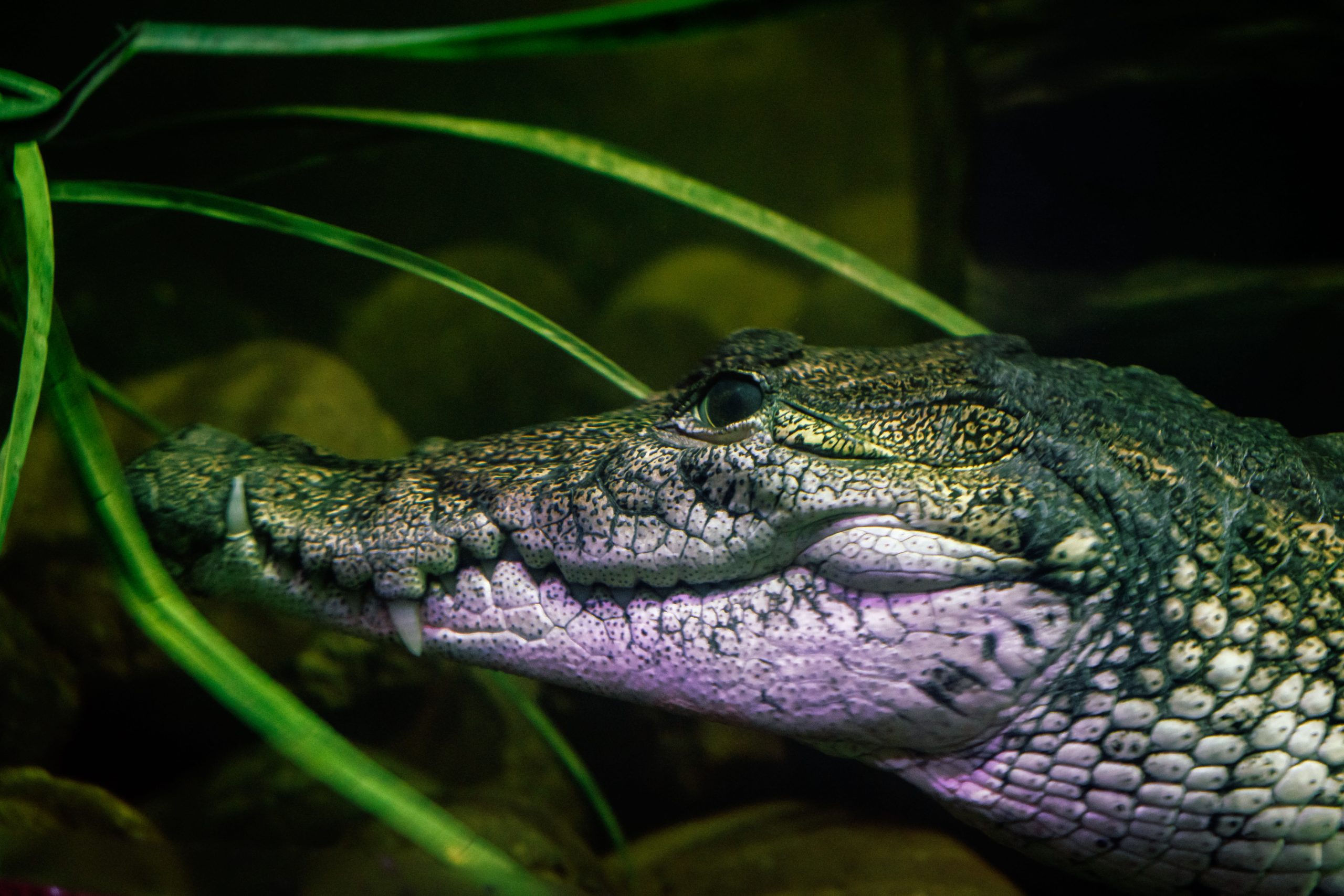
POLICY WIRE — Mexico City, Mexico — The Riviera Maya, Mexico’s glittering jewel of turquoise waters and ancient ruins, just reminded a few unsuspecting tourists — and, frankly, the rest of us — that paradise has teeth. And a surprisingly short fuse when provoked. You don’t often hear about a creature older than dirt exacting retribution because someone couldn’t resist a childish prank. But that’s exactly what went down in Tulum, where an altercation with a resident crocodile, reportedly spurred by idiotic rock-throwing from sightseers, ended with a grim reminder: nature isn’t an amusement park exhibit. It’s a predator, doing what predators do.
It’s not some abstract threat; it’s an acute, razor-sharp problem when human curiosity meets wild territoriality. This wasn’t some remote, off-grid jungle escapade; this was Tulum, a poster child for boutique tourism and ‘eco-chic’ getaways, now wrestling with an image problem it hardly needs. But, because we’re talking about humans, the irony cuts deeper than any reptile’s bite. The very appeal of Tulum, its raw, untamed beauty, is what draws millions—and then these same visitors, perhaps oblivious, sometimes trash what they came to admire.
Mexico’s economy, it’s worth remembering, leans heavily on tourism. A single incident like this? It doesn’t sink the ship, not usually. But it stains the brochure, you know? And repeated stains—they eventually compromise the entire picture. Mexican officials are now facing uncomfortable questions about managing human-wildlife interfaces, a balancing act made increasingly tricky by ever-surging visitor numbers. Mexico welcomed over 38 million international tourists in 2022, a figure expected to rise, placing immense pressure on fragile ecosystems, according to INEGI, Mexico’s National Institute of Statistics and Geography.
“We absolutely condemn any act of disrespect towards our wildlife,” stated Ricardo Morales, Director of Quintana Roo’s Tourism Board, during a press conference that felt more like a public apology. “Such isolated incidents are regrettable, but they underscore the urgent need for visitor education. We simply can’t legislate common sense.” He’s right, you can’t. But you can put up more signs, you can deploy more park rangers, you can, perhaps, rethink where exactly the velvet rope should fall in the natural world.
And it’s a conversation reverberating far beyond Mexico’s borders. The dilemma of economic expansion versus ecological preservation isn’t unique to the Yucatán Peninsula. Think about the developing coastal regions of Pakistan, for instance, eyeing their own nascent tourism potential—the Balochistan coast, Gwadar—all trying to navigate the pitfalls of uncontrolled development. They, too, face choices that could either uplift local economies or decimate their unique ecosystems — and wildlife. It’s a global blueprint, really. From the coral reefs off Malaysia to the mangroves lining the Arabian Sea, every destination’s striving for that tricky equilibrium. Brazil’s protein paradox, with its push-pull between agricultural expansion and environmental regulation, offers a stark parallel: when resources are seen only as commodities, something’s bound to give.
“We’re witnessing a dangerous level of disconnect,” warned Dr. Anya Sharma, Director of the Mexican Wildlife Conservation Society, her voice laced with an almost palpable exasperation. “These animals are not there for human entertainment. They’ve lived here for millennia. This isn’t a one-off problem, it’s a symptom of deeper encroachment and a widespread failure to respect boundaries—both physical and ethical. The tourists forget they’re guests in a wild world, not its owners.” She doesn’t mince words. Good.
Because that’s the rub, isn’t it? The pursuit of the ‘perfect’ vacation often leads to interactions that are anything but perfect. It leads to rock-throwing at an ancient predator. It’s a symptom of humanity’s ongoing struggle—and failure, often enough—to understand its place within nature’s brutal, indifferent logic. What this specific incident highlights is the fragile membrane between a pristine environment marketed for consumption and the raw, untamed reality that, frankly, doesn’t care about your Instagram likes or your bucket list check-off.
What This Means
This regrettable incident, sparked by sheer human imprudence, serves as a harsh political and economic bellwether for Mexico’s booming tourism sector. Politically, the government of Quintana Roo faces mounting pressure to demonstrate concrete measures beyond just ‘awareness campaigns.’ Expect increased funding for park enforcement, possibly stricter liability for tour operators, and potentially—a far more radical notion—some areas being declared strictly off-limits. They’ve got to protect their primary economic engine, after all. Economically, while one attack won’t cripple bookings, sustained negative publicity around safety or environmental degradation could very well deter segments of the market, particularly those eco-conscious travelers Tulum actively courts. The region risks pricing itself out of its ‘sustainable’ brand if it can’t guarantee safety for both its visitors and its indigenous wildlife. This isn’t just about crocs; it’s about the sustainability—or lack thereof—of an entire economic model predicated on attracting millions to a finite, fragile natural space. The question isn’t whether more incidents will happen, but how swiftly Mexican authorities, and indeed the global tourism industry, learn to manage them when they inevitably do. Complacency, it’s proven, has consequences. And sometimes, those consequences have very sharp teeth.