


Silent Strains: New Mexico’s Indigenous Virus Looms as Global Fears Sail Past
POLICY WIRE — Santa Fe, N.M. — A whisper of a novel disease, carried on a ship across international waters, tends to ripple with immediate dread. That’s how it goes, doesn’t it? One...

POLICY WIRE — Santa Fe, N.M. — A whisper of a novel disease, carried on a ship across international waters, tends to ripple with immediate dread. That’s how it goes, doesn’t it? One cruise line hiccup, one overseas outbreak, — and suddenly everyone’s dusting off their plague masks. But while the world’s anxious gaze has been fixated on the human-spread Andes hantavirus strain making its rounds internationally—a truly nasty bit of business, to be clear—officials here in New Mexico find themselves caught in a familiar bind: battling a phantom panic while a quieter, yet very real, threat endures right under their noses.
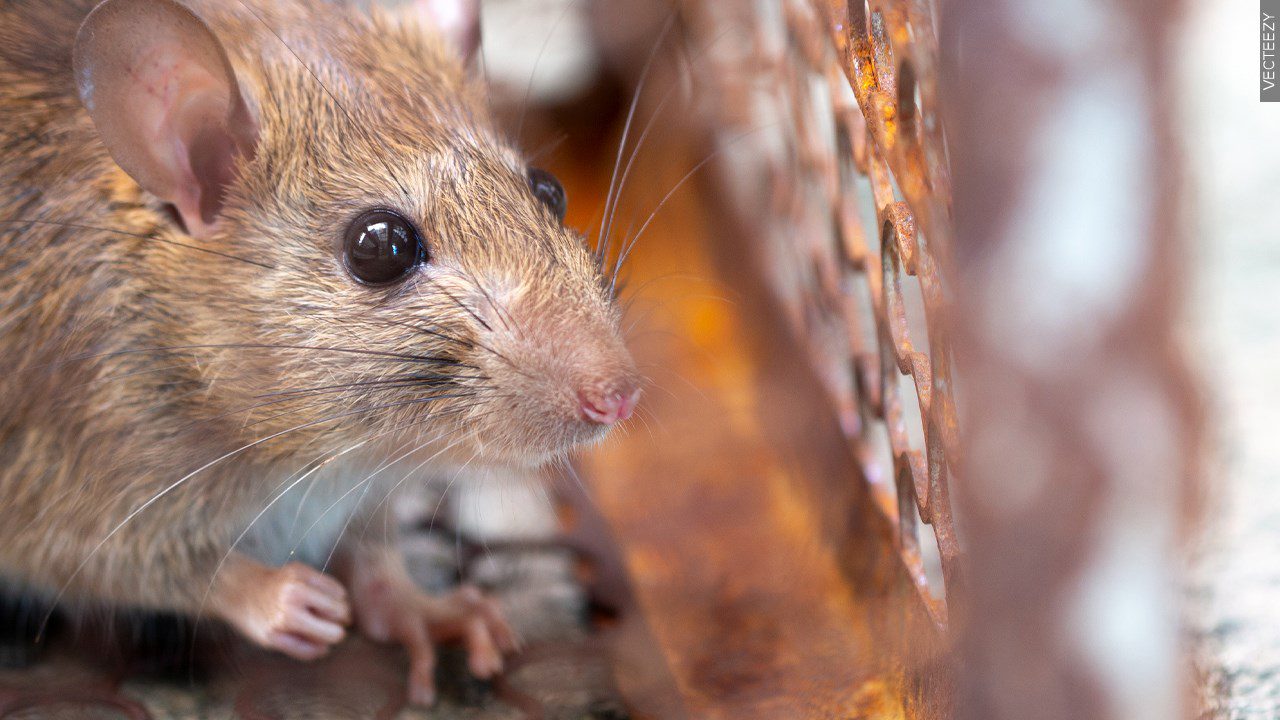
It’s a peculiar kind of paradox, really. Public health authorities, usually scrambling to contain emerging pathogens, now have to spend precious bandwidth quashing fears about a strain that isn’t even knocking on their door. The New Mexico Department of Health (NMDOH) has been clear, concise even, stating that their local hantavirus—the infamous Sin Nombre variety—is definitively not the same beast linked to that distant cruise ship contagion. More importantly, Sin Nombre, as scary as its name sounds, isn’t keen on hopping from one human host to another. Its spread relies on a far more primal, less theatrical, mechanism: rodents.
“Look, the internet moves faster than biology, sometimes much faster. We’re fighting a wave of misinformation as much as we’re any actual biological threat from this specific strain,” quipped Dr. Erin Phipps, New Mexico’s state veterinarian, a weary sigh detectable in her voice. “It’s frustrating, honestly. People hear ‘hantavirus’ and immediately jump to the worst, not realizing there are dozens of strains, each with its own quirks. Ours? It’s all about rats — and mice, not handshakes.”
But the public, understandably, gets jittery. An international outbreak involving a virus capable of person-to-person transmission — that’s a headline grabber. The Andes strain, indeed, represents the single known exception in the hantavirus family for this type of transmission, a truly concerning characteristic for global health watchdogs. The NMDOH emphatically states no New Mexico residents were aboard the particular cruise ship making headlines, and the risk to the general public from the Andes strain is deemed ‘low to negligible’ here. You can almost hear the eye-rolls from their situation room.
The real enemy for New Mexicans, then, remains Sin Nombre, an enduring threat lurking in the quiet corners of rural and semi-rural areas, a creature of arid landscapes and disturbed dust. The CDC reports that as of 2022, there have been over 866 documented cases of hantavirus pulmonary syndrome (HPS) in the U.S. since 1993, with New Mexico historically being among the states with higher case counts. And because it’s shed through rodent droppings, urine, and saliva, it often becomes airborne when folks—say, preparing a cabin after a long winter—stir up infected nests.
It’s an invisible peril that often falls victim to the out-of-sight, out-of-mind phenomenon. Yet, the precautions are strikingly simple: air out closed buildings, wear gloves and masks when cleaning, soak rodent leavings with bleach solution (a 10% mix works wonders, they say), and whatever you do, don’t sweep or vacuum. That just aerosolizes the misery. Better to prevent than to deal with the dire consequences.
“Our concern is local transmission of Sin Nombre, period. Not some ghost from a cruise ship that can spread person-to-person overseas,” stated Dr. Amelia Harding, Director of Communicable Disease Control at NMDOH, with palpable exasperation. “The risks here are well-understood, though often ignored. And we don’t have time for false alarms when a very real, very lethal, environmental threat demands our resources.” Because that’s the deal: managing both reality and public perception takes effort. Especially when reality feels mundane compared to viral narratives from faraway lands.
What This Means
The recent hantavirus scare illustrates a potent, if disheartening, truth about modern public health: the fight isn’t just against pathogens, it’s against misinformation and public panic, often stoked by globalized fears. It shows how interconnected economies and mass travel—like cruise lines linking continents—can create an immediate and tangible sense of vulnerability, even for issues not locally present. This hyper-focus on exotic, far-flung threats often overshadows ongoing, mundane public health challenges that disproportionately affect specific regions or demographics.
From an economic standpoint, such global scares, however unfounded locally, can inflict damage. Fear dampens travel, impacts tourism, and strains public health budgets already stretched thin by a never-ending carousel of localized problems. Imagine the resource drain if New Mexico, for example, felt compelled to allocate significant funds to ‘intercept’ a cruise-ship related hantavirus that was never coming. Instead, those funds are needed for continued education on rodent control in vulnerable communities, or for managing other more prevalent diseases. But who pays for the reassurance campaign? Or the extra lab time confirming specific viral strains?
this narrative echoes patterns seen in the Muslim world, and particularly in parts of South Asia. Just as a distant cruise ship outbreak diverts attention in New Mexico, so too do regional health challenges often become obscured by global crises, perceived or real. Health surveillance in places like Pakistan or Indonesia grapples with a constant push-pull: battling endemic diseases that often get less international media attention—cholera, dengue, polio remnants—while also bracing for the spillover effects of truly global pandemics like COVID-19 or, potentially, other exotic contagions that spark worldwide fear. Misinformation, too, travels globally, infecting public discourse faster than any actual virus and creating political headaches for public health administrations everywhere. It’s a complicated ecosystem, isn’t it? One where truth, science, — and perception often collide in a messy, human way.