


Macron’s Nairobi Mic-Snatch: An Old Europe’s Reflex Amidst Shifting Sands
POLICY WIRE — NAIROBI, KENYA — They’d gathered, as they always do, to talk about partnership. About youth. About Africa’s climate destiny. But then French President Emmanuel Macron grabbed the...

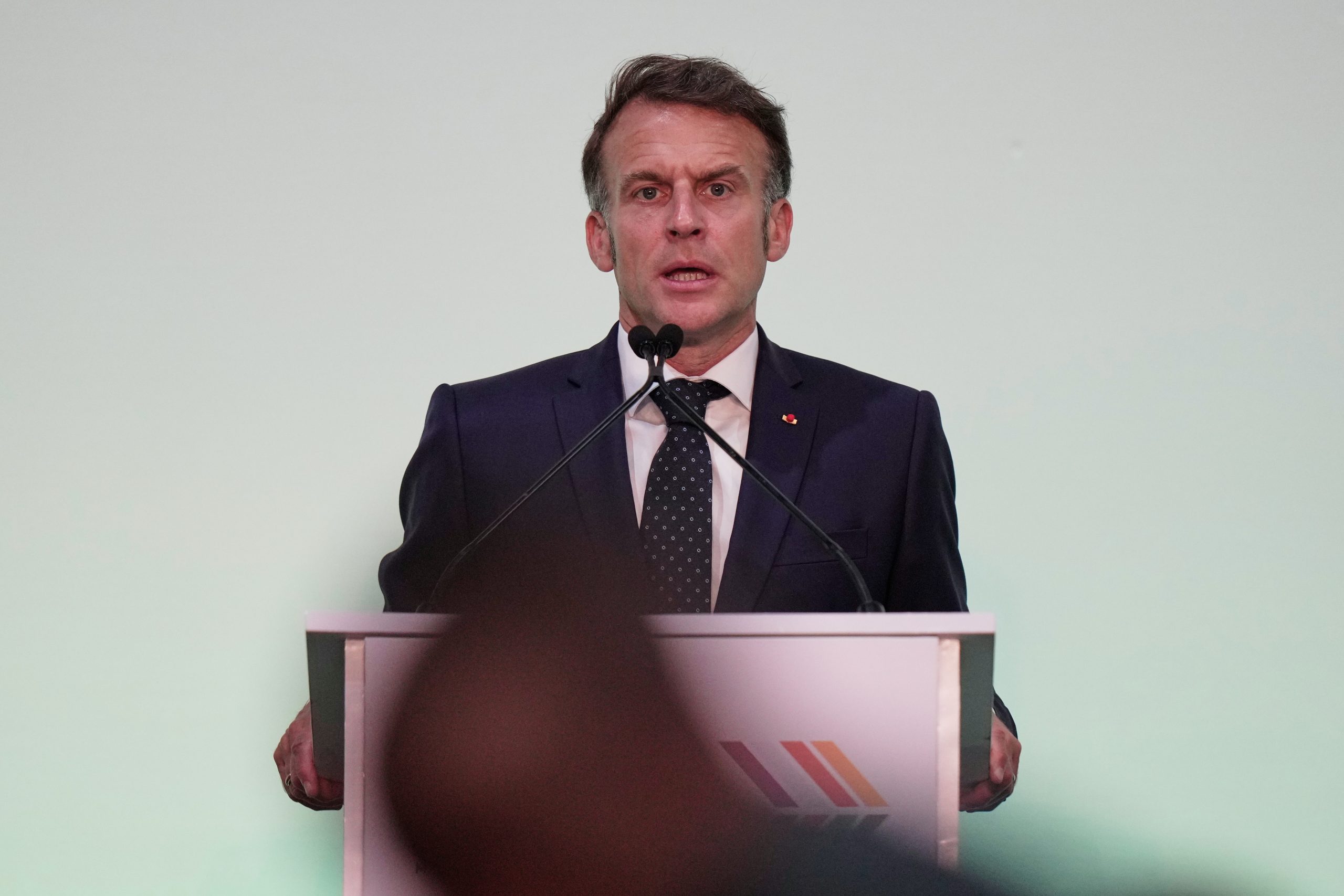
POLICY WIRE — NAIROBI, KENYA — They’d gathered, as they always do, to talk about partnership. About youth. About Africa’s climate destiny. But then French President Emmanuel Macron grabbed the microphone—a moment etched more sharply in many minds than any communique—interrupting a young Ugandan climate activist at the African Climate Summit in Nairobi. It wasn’t a hostile takeover, mind you, but an unscripted, highly symbolic moment that laid bare the persistent, often awkward, undercurrents of the West’s relationship with its former colonies. For an event ostensibly about African agency, it sure felt like an old hand asserting control, didn’t it?
It was a flash in the pan, a blip in the otherwise choreographed ballet of international diplomacy. But these blips—they tell you something. The activist, Vanessa Nakate, was making her case, spotlighting local solutions, pushing for immediate climate finance. She was saying things people needed to hear, actual boots-on-the-ground reality. And then, there was Macron, striding up, taking the mic, redirecting the narrative back to broader, systemic issues—stuff about international taxes and reforms, all very French, very top-down. One observer remarked it was like watching a teacher patiently, or not so patiently, taking over a student’s presentation.
“Africa holds solutions, not just problems,” President Macron stated earlier in his prepared remarks, echoing sentiments of many Western leaders keen to project an image of respectful collaboration. “Our partnerships must reflect this, investing in green energy and supporting innovation on the ground.” But actions, as they say, often speak louder than finely crafted press releases. And the micro-incident in Nairobi—where the optics of a European head of state correcting, or perhaps just ‘guiding,’ an African voice—well, it speaks volumes about a certain lingering paternalism many feel hasn’t quite faded, even as official rhetoric morphs.
Because let’s be real, the continent has changed. It’s not just a recipient of aid anymore. African nations are asserting their own development paths, often looking eastward (hello, Beijing’s Ascent) or south for collaborations that don’t come with historical baggage and perceived moral lectures. Kenya, for example, is increasingly positioning itself as a regional economic powerhouse. The idea that Europe still calls the shots—or even implicitly frames the discourse—is an increasingly hard sell on the ground.
It’s a struggle nations far beyond Kenya can relate to, including those in the wider Muslim world — and South Asia. Think about Pakistan, a country that’s wrestled with foreign policy independence and economic aid dependencies for decades. There’s a shared resonance here, this pushback against being viewed merely as a battleground for superpower interests or as a development case study. “We appreciate collaboration, but true partnership means equal standing,” one senior diplomat from Islamabad, requesting anonymity to speak frankly, told Policy Wire. “It means our leaders speak for our people, and others listen—genuinely listen—to our priorities and expertise, not just for a moment before they take the stage themselves.”
Macron’s team quickly downplayed the incident, framing it as an attempt to lend support to the activist’s message, to add weight to her call for global financial system reform. “President Macron deeply respects Ms. Nakate — and her tireless advocacy,” a French diplomatic source later offered, hoping to smooth ruffled feathers. “His intervention was an affirmation, not a dismissal, a recognition of the shared burden of global climate financing.” But when you’ve got decades of history, and frankly, millions of euros in investment capital at your back, an ‘affirmation’ can sure feel like an act of authority.
And it’s a history marked by significant financial flows, too. Data from the OECD’s Creditor Reporting System shows that in 2021, France committed over 3.2 billion euros in Official Development Assistance (ODA) to sub-Saharan African countries. It’s big money, for sure, yet the debate persists: is it true partnership or just a continuation of old models dressed up in green rhetoric? This isn’t just about French money, either. It’s about everyone’s money, — and everyone’s influence. Africa’s youthful population—it’s projected that by 2050, 1 in 4 people on Earth will be African—is hardly in the mood for patronizing gestures, however well-intentioned. They’ve got their own solutions, their own problems, and they want their own voices heard, unfiltered and uninterrupted.
What This Means
This episode, though minor in diplomatic terms, speaks volumes about the shifting global power landscape and the inherent tensions in North-South relations. Politically, it signals continued friction between Europe’s desire to remain a prominent player on the African continent and Africa’s increasing assertiveness on the world stage. It’s a collision of inherited legacy — and emergent sovereignty. France, like many European powers, struggles to recalibrate its influence, often leaning on familiar—and occasionally anachronistic—modes of engagement. Economically, such incidents, however trivial they seem, don’t help foster the truly equitable partnerships that African nations demand. Foreign direct investment, trade agreements, — and climate finance deals thrive on mutual respect. When these symbolic missteps occur, they cast a long shadow, potentially pushing African leaders towards partners who promise—or at least appear to offer—a more level playing field, even if those partnerships come with their own complexities. It’s not just about one president or one activist; it’s about the deep-seated perceptions that govern an entire continent’s engagement with the world.