


Gridiron Diplomacy: NFL’s Southern Expansion Unveils Complex Geopolitical Playbook
POLICY WIRE — Mexico City, Mexico — Forget touchdowns and red zones for a moment. What you’re actually witnessing, or are about to witness, is the National Football League playing a long game –...

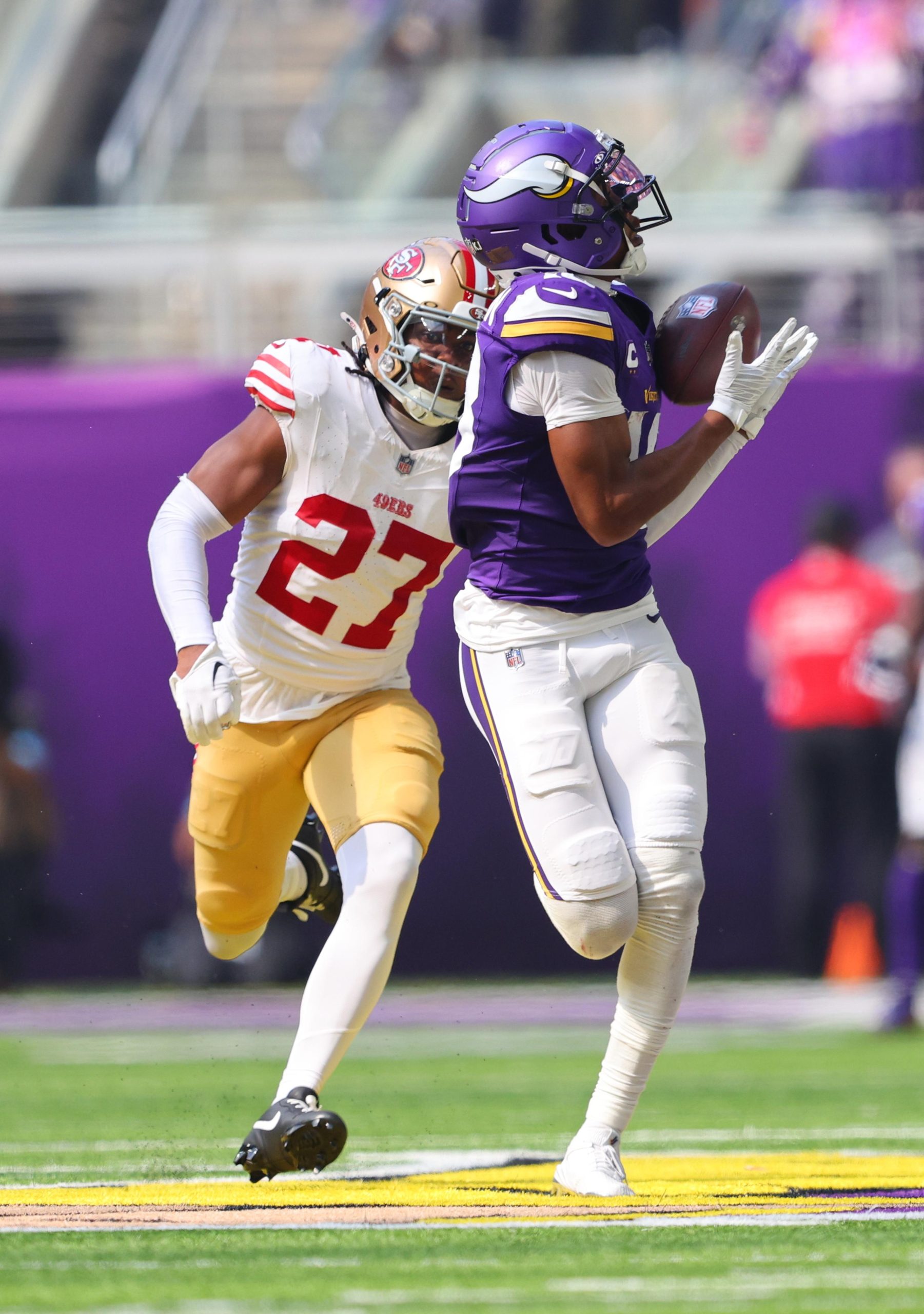
POLICY WIRE — Mexico City, Mexico — Forget touchdowns and red zones for a moment. What you’re actually witnessing, or are about to witness, is the National Football League playing a long game – not just on the field, but on the global geopolitical chess board. The whispers, growing into a roar across sports desks and social media feeds, suggest the Minnesota Vikings will tangle with the San Francisco 49ers in Mexico City this November. But don’t mistake this for a mere scheduling quirk. It’s an exercise in soft power, a cunning bid for market share, draped in the guise of international sporting camaraderie.
It’s always been about reach for American behemoths, hasn’t it? Corporations, cultural institutions, even athletic leagues — they cast their nets wide. And the NFL, for all its heartland sensibilities, is no exception. This rumored match-up, slated for November 22nd at Estadio Banorte (formerly the iconic Estadio Azteca), would mark the league’s return to the Mexican capital for the first time since 2022. But, really, it’s just the next domino to fall in a decades-long push beyond U.S. borders. For years, the NFL has paraded its star athletes across the pond to London and, more recently, Germany. Now, the gaze is fixed south.
And why not? Mexico offers a tantalizing mix of proximity — and passion. It’s a massive market right next door, hungry for prime-time spectacle, yet easily accessible for American teams (and their accountants). The notion that the Vikings, for whom this would be their fourth international jaunt in five years, actually face an easier logistical hurdle flying to Mexico City than the 49ers do to what’s technically a ‘home game’ for them, underscores the league’s ruthless pragmatism. It’s not about fairness; it’s about expanding the brand. The 49ers will cross time zones; the Vikings largely won’t. Small detail, big advantage.
“We’re not just selling football; we’re cultivating communities,” stated an NFL International spokesperson, speaking on background about the league’s global initiatives. “These aren’t just games; they’re cultural exchanges. They forge bonds.” Bonds, — and lucrative broadcast deals, one might add. But because of its strategic importance as a neighbor and trading partner, Mexico takes on a different flavor than the European forays.
Of course, this drive isn’t exclusive to the NFL. Every major Western sports organization is looking beyond traditional boundaries. Cricket, for example, long dominated by its Commonwealth roots, is actively trying to break into the American market, just as American football tries to conquer other shores. Major European football clubs routinely tour the U.S. and Asia, planting flags — and hawking jerseys. And that’s a global trend with fascinating implications. We’ve seen Middle Eastern nations like Qatar, and increasingly Saudi Arabia, pump billions into hosting mega-events and acquiring sports franchises. This isn’t just about fun and games there either; it’s nation-branding, image rehabilitation, and influence-peddling on a grand scale. Consider Pakistan’s own efforts to boost its Super League cricket tournament—it’s part of the same global push for cultural relevance and economic injection through sport. It’s a race, isn’t it?
Mexican officials, ever eager to spotlight their nation on the international stage, seem to embrace the prospect. “Events of this magnitude provide more than just entertainment; they boost tourism, stimulate local economies, and project an image of a vibrant, welcoming Mexico,” commented Enrique Rojas, Mexico City’s Secretary for Tourism, clearly keen on the potential influx of American dollars and media attention. He’s got a point. Mexico’s capital city hosted nearly 13.5 million international tourists in 2023 alone, and a major NFL event just fattens that number. So, for Mexico, it’s about tangible benefits, sure. For the NFL? It’s another rung on the ladder to global dominance.
It’s all part of a larger equation. America’s cultural exports, whether Hollywood blockbusters or NFL games, carry significant weight. They reflect a particular set of values, a lifestyle, a consuming ambition that the rest of the world both critiques and covets. This Mexico City match is just a symptom of a larger truth: the lines between sports, politics, and economics have never been blurrier. It’s a good strategy.
What This Means
This rumored NFL game in Mexico City isn’t just about giving fans south of the border a taste of American football; it’s a strategic chess move with layers of political and economic implications. Economically, it signifies the NFL’s continued commitment to expanding its international revenue streams. Mexico represents an easily accessible, massive Spanish-speaking market where the league can monetize broadcasting rights, merchandise sales, and even pre-game festivities. The economic injection for Mexico City, through tourism and direct spending, will be significant, serving as a powerful incentive for host nations to continue courting such events.
Politically, this is an exercise in soft power diplomacy. In an era where U.S.-Mexico relations can occasionally be fraught with complexities—ranging from trade disputes to immigration challenges—a high-profile cultural export like an NFL game serves as a bridge. It offers a shared experience, a positive interaction that transcends national borders, subtly reinforcing cultural ties and fostering goodwill. It frames America as a source of thrilling entertainment, rather than just economic policy or political pronouncements. the league’s savvy targeting of markets like Mexico City, and its exploration of regions globally, indicates a deliberate strategy to grow its fanbase into a truly transnational one. That’s a shift with profound consequences for the league’s future negotiating power and influence on the international stage, essentially transforming sports entertainment into a de facto foreign policy tool. Just look at the efforts in the Muslim world and South Asia to court major sports leagues, whether for brand recognition or political messaging. The gridiron, it turns out, is another battleground for hearts — and minds.