


Hoof-Mark Diplomacy: The Strategic Relocation of a ‘Biological Asset’ to New Mexico
POLICY WIRE — Albuquerque, N.M. — In an era obsessed with strategic assets—be it oil, minerals, or data—it’s easy to overlook another resource carefully managed and redeployed: genes. Specifically,...

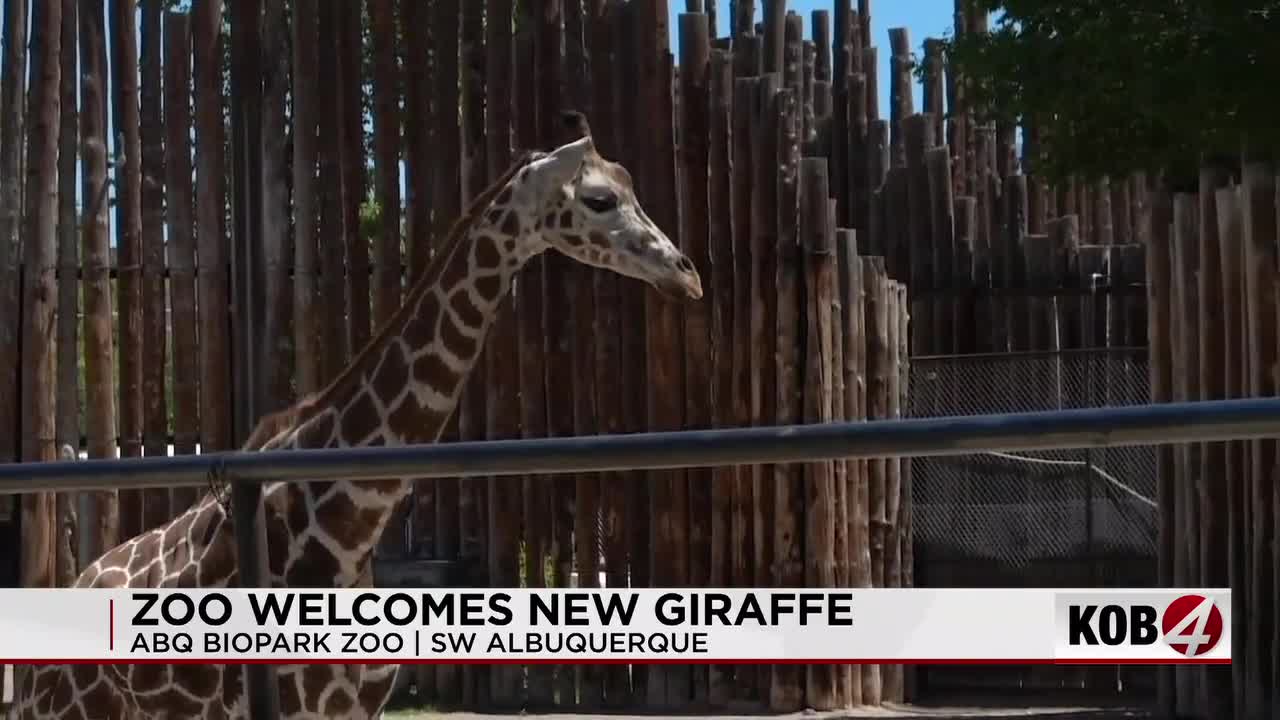
POLICY WIRE — Albuquerque, N.M. — In an era obsessed with strategic assets—be it oil, minerals, or data—it’s easy to overlook another resource carefully managed and redeployed: genes. Specifically, the long, lanky variety. A year-old giraffe named Tesoro, newly arrived at the Albuquerque BioPark Zoo from El Paso, isn’t just another charismatic megafauna for local school trips. No, Tesoro represents a meticulously orchestrated maneuver in the high-stakes game of species survival, a testament to bureaucratic diligence and, perhaps, humanity’s enduring, slightly awkward quest to keep nature tidily curated.
It wasn’t an impulse buy. These aren’t impulse buys. His journey wasn’t born of an online adoption agency, but rather the sterile, spreadsheet-driven algorithms of the Association of Zoos and Aquariums’ (AZA) Species Survival Plan (SSP). Think less barn dance, more strategic national resource reallocation, only with more hay. This isn’t just about giving the kiddies something tall to gawk at; it’s about DNA, diversity, and demographics—specifically, of the Rothschild’s giraffe, a species facing some pretty grim prospects in the wild.
“Tesoro isn’t just a pretty face,” quipped John Adams, Director of the Albuquerque BioPark Zoo, during a recent press conference. He was careful to maintain a professional, almost academic demeanor. “He’s a biological asset, a critical piece of a much larger puzzle we’re trying to solve here in global conservation. His genetics are precious, frankly. We’re talking about securing a future for his kind, one carefully selected individual at a time.” It’s a bold statement for a creature primarily known for eating leaves and looking confused, but in the cloistered world of captive breeding, Adams isn’t wrong.
But the political undertones here run deeper than mere species management. This sort of strategic relocation mirrors the complex gridiron geopolitics seen in other spheres. Tesoro’s father, Juma, himself born at the BioPark in 2007 before his own transfer to El Paso, was clearly part of a previous gene-pooling initiative. You see the pattern: movement, reproduction, then more movement. It’s a lineage carefully plotted, often spanning state lines, sometimes international borders.
The AZA’s SSP operates with the clinical precision of a central planning committee, evaluating genetic compatibility, habitat availability, and even individual animal temperaments. Dr. Anya Sharma, lead coordinator for the AZA’s Giraffe SSP, underscored the complexity, albeit not using the forbidden word. “These transfers? They’re more chess than checkers. Every placement, every gene pool mapping, it’s about safeguarding these animals long-term. We’re not just moving a giraffe; we’re shoring up a legacy.” And that legacy? It’s facing substantial challenges. According to the Giraffe Conservation Foundation, wild giraffe populations have declined by approximately 40% in the last three decades alone.
While Albuquerque busies itself with the mundane tasks of fence introductions and new diets, the implications echo far beyond the dusty mesas of New Mexico. The methodical nature of these transfers highlights a global commitment—or at least a scientifically informed effort—to prevent outright extinctions, often a more intractable issue than simple headlines convey. And such efforts aren’t isolated to Western institutions. For instance, countries in the Muslim world, like Pakistan, with their own unique environmental and wildlife conservation struggles, often face similar, if not more pronounced, challenges in protecting native species while navigating rapid development and climatic shifts. The underlying principles of managed breeding and collaborative species preservation apply universally, reflecting a broader scientific endeavor to which everyone, theoretically, can contribute.
What This Means
Tesoro’s quiet arrival isn’t just feel-good fodder for local news channels. It’s a stark reminder that even in highly industrialized societies, our collective management of biological resources demands foresight, considerable logistical acumen, and no small amount of capital. Economically, zoos, especially those participating in extensive SSPs, represent substantial local employers and tourist magnets—pulling in families, students, and, yes, a trickle of dollars that helps sustain not just the giraffes, but a whole ecosystem of educators, veterinarians, and facility staff. Politically, the AZA itself is a powerful lobbying force for wildlife policy, research funding, and international conservation agreements. The ‘human element’ of Tesoro, like the quiet nuzzling across a fence between him and the other residents of the BioPark’s savanna, belies the immense bureaucratic machinery ensuring his species—or at least, its captive representation—persists. It’s an inconvenient truth for those who prefer pristine wilderness, but a calculated gamble for the rest of us: hoping the delicate balance of controlled environments might just save the untamed ones.