

Cleveland’s Comet: Mitchell’s Wild Night Sparks Debate on Heroics and Hoop Hysteria
POLICY WIRE — Cleveland, United States — Sometimes, the script writes itself. Other times, a player just takes the pen — and scrawls across every damn expectation, throwing convention out the window....

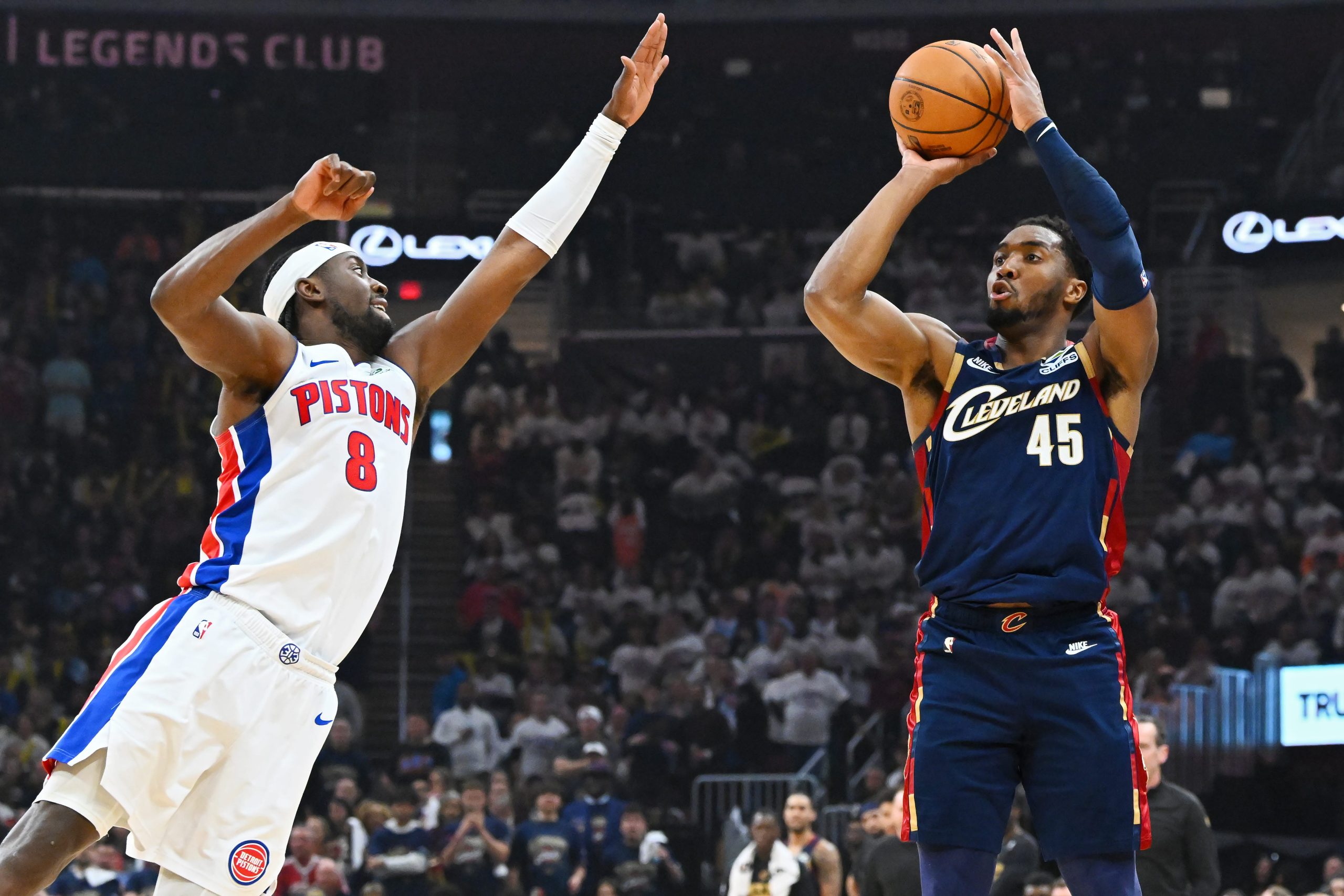
POLICY WIRE — Cleveland, United States — Sometimes, the script writes itself. Other times, a player just takes the pen — and scrawls across every damn expectation, throwing convention out the window. That’s what went down Monday night in Cleveland, when Donovan Mitchell, a man many still call ‘Spida,’ ripped through the Detroit Pistons like a category five hurricane, notching a statistical performance so outlandish it barely felt real. It wasn’t about the box score alone; it was the raw, unadulterated defiance of a slow start, the sheer will powering a single man to shoulder an entire team and yank a playoff series from the brink.
It sounds dramatic, sure. But we’re talking about a basketball game where a guy essentially started his personal combustion engine in the second half, pouring in 39 points to finish with 43 for the night. That kind of second-half barrage tied a decades-old NBA playoff record for points in a half, set by Eric ‘Sleepy’ Floyd back in ’87. And here’s the kicker: Mitchell, drafted 13th back in 2017 after his time at Louisville—the university, not the bat factory—began that very game just 1-for-8 from the field, failing to register a bucket until nearly three minutes into the second quarter. Imagine the gnawing doubt. Imagine the collective groan from the faithful on the wrong side of Lake Erie. Then, boom.
It’s this type of unpredictable surge, this singular display of human athleticism against narrative, that keeps sports – and its multi-billion dollar economy – humming. Because fans aren’t just buying tickets to see a team. They’re waiting for the spectacle. They’re hoping for that one-in-a-million moment, the sort of explosive, almost cinematic event Mitchell delivered. He nearly broke the record, too, but then, in a twist that Hollywood execs might find a bit too on the nose, missed one of two free throws with 27 seconds left. It’s never quite perfect, is it?
“We’re in an era where individual brilliance has never been more monetized, never more amplified,” noted Elias Thorne, Director of Sports Economic Trends at the Athena Institute. “A performance like Mitchell’s isn’t just a highlight; it’s an economic catalyst. It spikes merchandise sales, inflates viewing figures, and — don’t forget this part — drives conversations that stretch well beyond traditional sports audiences. It becomes content. Pure, uncut content.” Thorne isn’t wrong; these single-player heroics are quickly chopped, GIF’d, and shared across continents, reaching markets that care less about team loyalties and more about raw, undeniable talent. It’s a mirror, really, for how individual star power now often outweighs team narratives, whether you’re talking basketball or the aging fast bowler defying expectations on the cricket pitch.
This was Mitchell’s fourth 40-point playoff outing as a Cavalier, pushing him past Kyrie Irving for second most in franchise history, behind only LeBron James. Data from StatMuse confirms Mitchell’s remarkable consistency, showing he’s averaging 27.9 points this season, alongside 5.7 assists and 4.7 rebounds – numbers that aren’t just good, they’re the engine for a franchise hoping to compete for a championship. And because he’s that engine, the expectations grow, not just for the player, but for the entire operation. These high-octane displays fuel the narrative that U.S. professional sports isn’t just a domestic affair, but a global export.
Take Pakistan, for instance. A nation traditionally obsessed with cricket, rugby, and field hockey—where every street corner seems to have a battered wicket or a scrum forming—is seeing a slow, steady percolation of NBA culture. It’s not just the expat communities; it’s the digital natives, streaming highlights, devouring online analysis. They’re seeing these high-flying acts and connecting with them, probably faster than the traditional gatekeepers of Pakistani sports culture might care to admit. Mitchell’s kind of explosive, against-the-odds display—that individual triumph—resonates, no matter the hemisphere. And it’s doing a lot more for NBA branding in regions like South Asia than any traditional marketing campaign ever could.
“The global fan base for the NBA continues to expand at an astonishing rate, largely driven by these electrifying individual performances,” remarked Ms. Lena Sharif, Vice President of International Marketing at NBA Global Partnerships. “A record-tying night like Donovan’s cuts through cultural barriers. It isn’t just about baskets; it’s about an aspirational narrative. Kids from Lahore to London are watching — and dreaming big. It’s what keeps our growth trajectory in places like the Muslim world—regions where American cultural inroads can sometimes be…complicated—consistently on the upswing.” She’s right; these moments transcend the game, morphing into cultural currency that speaks to universal themes of perseverance and triumph.
What This Means
Donovan Mitchell’s dazzling night is more than just a notch in the record books; it’s a potent illustration of the modern NBA’s economic engine and its growing international footprint. For the Cavaliers, it means keeping championship hopes alive, and crucially, bolstering the economic value of their marquee player. Stars aren’t just players anymore; they’re assets, market makers. Their performances dictate ticket sales, television ratings, and, ultimately, franchise valuations. From a political economy standpoint, the league leverages these individual sagas to expand into new global territories, often succeeding where traditional diplomacy struggles. A spectacular game might not resolve geopolitical tensions, but it creates shared cultural touchstones across diverse populations. And this particular explosion? It wasn’t just a record; it was a loud, clear signal to everyone watching, everywhere, that the league’s star power remains an irresistible force, no matter the context.
The Cavaliers will trek to Detroit for Game 5. You bet your bottom dollar Mitchell’s performance—and the near miss on a solo record—will loom large over that contest. Because that’s how these narratives go. That’s how legends, or at least very effective marketing campaigns, get made.