
Graveyard Politics: Israel Seeks More Time, Families Fight for Burials
POLICY WIRE — Jerusalem — The dead don’t usually bargain. But in a conflict-scarred land, even the deceased can become currency. That’s the cold reality as Israel’s High Court...

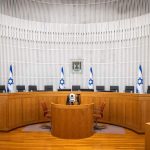
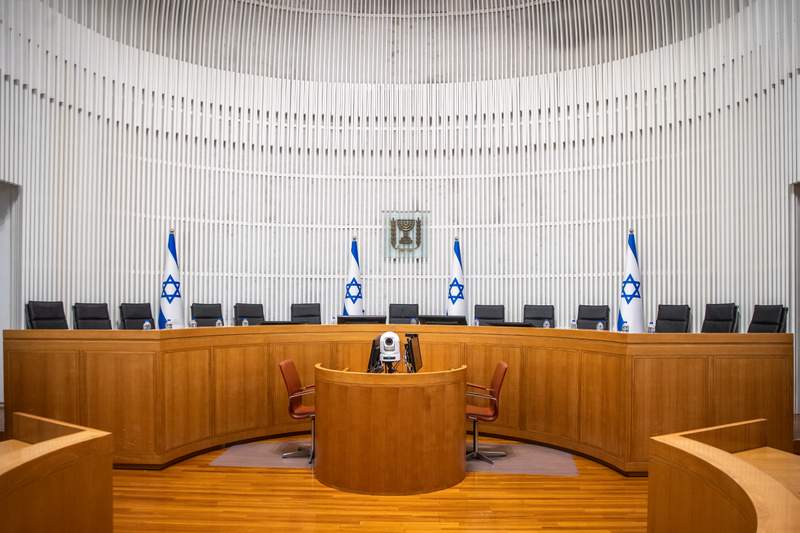
POLICY WIRE — Jerusalem — The dead don’t usually bargain. But in a conflict-scarred land, even the deceased can become currency. That’s the cold reality as Israel’s High Court weighs a state petition for, get this, more time to retain the bodies of slain Palestinians—bodies it has already held, in some cases, for years.
It’s a chilling bureaucratic maneuver that’s pitted government cold calculus against the searing grief of families. They simply want to bury their loved ones, in keeping with religious strictures — and basic human decency. And who can blame them?
This latest legal skirmish saw the State Prosecutor’s Office request a further 60 days to formulate its response to a petition demanding the release of the bodies. The families? They aren’t just opposing the delay; they’re pushing back against the entire morbid practice. Their legal representatives, backed by human rights organizations, aren’t having any of it, arguing that denying timely burials compounds suffering and violates international humanitarian law. It’s an administrative move that feels a lot like emotional torture—a tactic aimed at maintaining leverage, no matter the cost to those left behind.
“We’re facing an asymmetric threat,” remarked Deputy Defense Minister Eli Cohen, speaking recently on the government’s security posture. “And these bodies, regrettable as it sounds, offer a strategic lever against further aggressions. It’s a deterrence measure, plain and simple, albeit a tough one.” His words, stark and unapologetic, reflect a prevailing sentiment within hawkish government circles that this isn’t just about bodies; it’s about state security.
But families — and advocates see it very differently. “Every day these souls aren’t buried, our grief is renewed,” retorted Diana Said, a legal counsel for the Addameer Prisoner Support and Human Rights Association, during a virtual press briefing. “This isn’t about security; it’s collective punishment, pure and simple, and it shreds the very fabric of human dignity.”
In Islamic tradition, the expeditious burial of the deceased is paramount. It’s a rite deeply ingrained, offering closure — and respect. For many across the Muslim world, from Cairo to Karachi, this detention of bodies isn’t just an Israeli-Palestinian issue—it’s an affront to shared religious values. Think of Pakistan’s strong stance on human rights issues affecting Muslim communities globally; these sorts of practices echo similar indignities felt far beyond the immediate conflict zone. It forces families to live in a state of perpetual limbo, unable to properly mourn or observe critical religious obligations, denying them even the somber peace of a gravesite.
The state, naturally, maintains it needs more time to hash out a comprehensive policy regarding the handling of these remains. A specific law on the matter? No, they don’t exactly have one. This leaves the door open to seemingly arbitrary administrative detention orders and a constantly evolving justification for keeping the dead in cold storage—sometimes literally. For years, critics say, it’s been a policy of deliberate ambiguity. But is ambiguity really a policy?
And these aren’t just a handful of cases. According to data compiled by various human rights groups, including Physicians for Human Rights Israel, over 256 Palestinian bodies were held in Israeli custody as of mid-2023, with dozens of those detained in refrigerated lockers, effectively becoming permanent bargaining chips. Some families have been waiting for two decades or more. That’s a significant human rights problem, a situation ripe for international condemnation, and a burden that doesn’t alleviate.
The courts, caught between state security demands — and the outcry for human rights, haven’t exactly found an easy path. There’s no simple solution here. But for families, this prolonged uncertainty just feeds a profound sense of injustice. It’s a game of brinkmanship played with the dead.
What This Means
This seemingly technical request for an extension reveals the grim contours of a conflict strategy that exploits grief for geopolitical leverage. It signifies the state’s continued intent to use human remains as a deterrent or, perhaps more disturbingly, as pawns in future prisoner exchanges—a macabre form of diplomacy. The political implication? It deepens distrust, fueling animosity rather than fostering any remote chance of reconciliation. For Palestinian society, this isn’t just a legal debate; it’s a constant, painful reminder of state power exercised at its most intimate and violating level, creating martyrs even in death.
Economically, while direct impact is limited, such policies contribute to a perception of instability and human rights abuses that can subtly deter foreign investment and tourism, particularly from nations sensitive to ethical governance. It’s not just a court ruling; it’s another data point in a much larger narrative about the sanctity of life—and death—under occupation. These continued battles in the Israeli High Court are a stark contrast to broader efforts for international cooperation or human rights advancements that often involve navigating complex diplomatic waters elsewhere in the world. But here, the battle rages over fundamental dignity.
But the pressure is building, internationally and internally, for Israel to adopt clearer, more humane guidelines for handling the deceased. Because what society can truly claim justice when it can’t even rest its dead?