


Seam Under Scrutiny: Afridi’s Spikes Reignite Cricket’s Ethics Debate in Dhaka
POLICY WIRE — Dhaka, Bangladesh — The weight of expectation, you know, it can really get to a player. It’s heavy. And it sometimes makes otherwise calm individuals—superstars, even—do things...

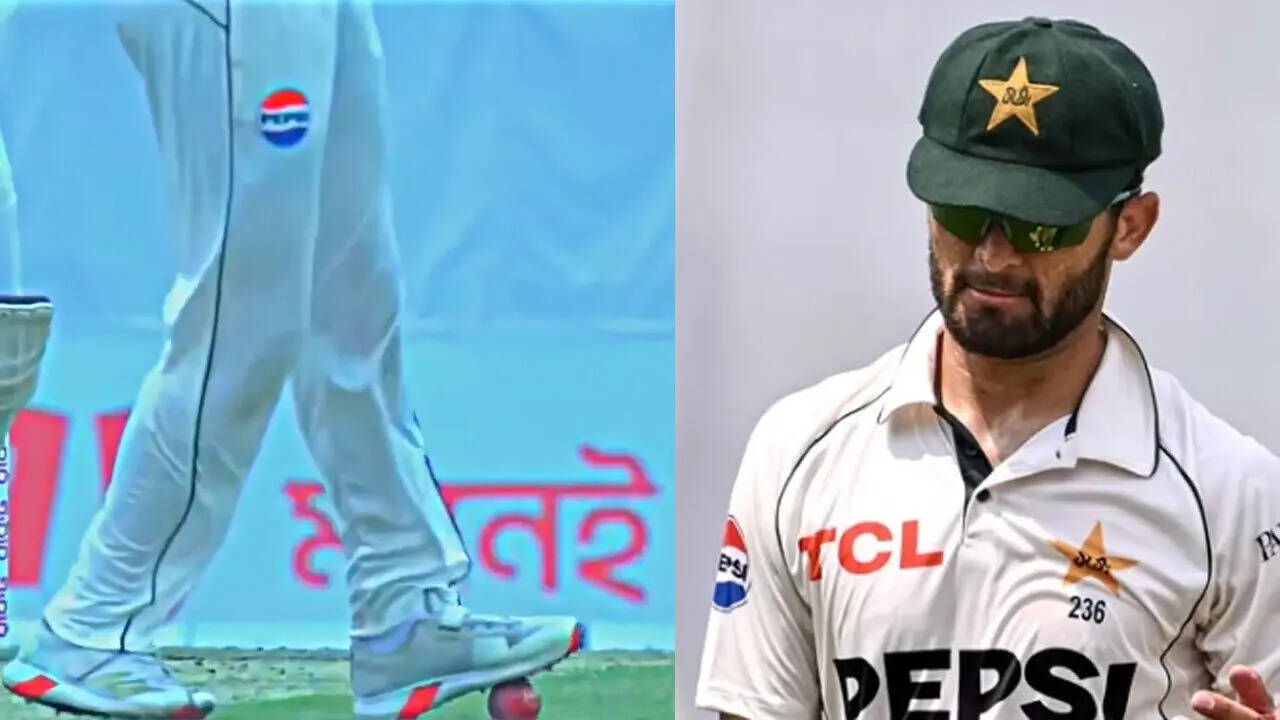
POLICY WIRE — Dhaka, Bangladesh — The weight of expectation, you know, it can really get to a player. It’s heavy. And it sometimes makes otherwise calm individuals—superstars, even—do things that draw the umpire’s eye, which is never good. In the sweltering heat of Dhaka, amidst a gripping Test match, Pakistani paceman Shaheen Afridi found himself once again in that uncomfortable spotlight. But this wasn’t about a dropped catch or a misjudged LBW call. This was about something more fundamental to the game itself, the very fabric of fair play, catching an umpire’s attention in a moment that could’ve easily slipped by.
It was on the fourth day of the inaugural Test between Pakistan and Bangladesh, a contest simmering with regional pride and sporting ambition, when the cameras caught Afridi engaging in an unusual interaction with the Kookaburra. He was seen, quite distinctly, pressing the leather sphere under his boot spikes. On-field umpire Michael Gough, with an almost surgical precision born of years in the game, spotted the gesture. Gough, whose eyes miss little—they usually don’t—promptly halted play. He walked up to Afridi, took the ball, — and meticulously examined its surface. Nothing, it seems, was found amiss. No visible alteration. So, the game continued. Just like that.
But the incident, though officially closed on the field, reopened an older, thornier discussion off it: the blurred lines between competitive cunning and outright cheating in cricket. Pakistan, a nation where cricket isn’t just a sport but a fervent religion, finds its stars frequently under such intense scrutiny. But this isn’t just a Pakistani problem; it’s a subcontinental saga. Across the border, in the cricketing madhouse that’s Bangladesh, the drama was instantly dissected by fans — and pundits. This perceived attempt, whether successful or not, touches raw nerves in a game often celebrated for its “spirit.”
And let’s be frank, Test cricket itself is a relentless beast. Long format, intense pressure, sometimes played on pitches that favor only the bold or the cunning. But it demands something pure, doesn’t it? The scores themselves reflect a hard-fought battle: Bangladesh, despite being relative newcomers to Test cricket’s elite tier, had put up a respectable 413 in their first innings. Pakistan replied with 386. Bangladesh then extended their lead. On Day 4, they were 152 for 3, holding a 179-run lead when stumps were called. These numbers tell a story of tight competition, where even the slightest advantage—real or imagined—could swing the balance. According to official ICC statistics, Bangladesh’s Mominul Haque had just crossed the impressive 5,000-run milestone in Test cricket in the very innings where this episode unfolded, adding another layer of context to the high stakes.
“We’re playing to win. I think if we can bowl 70-75 overs tomorrow, — and if there’s no rain, there will be the opportunity to play 98 overs. I think we will have a chance to win,” declared Mohammad Ashraful, Bangladesh’s batting coach, sounding a note of optimistic aggression. Because for nations like Pakistan and Bangladesh, wins, especially in Test matches against regional rivals, aren’t just wins. They’re statements. And they’re morale boosters for millions. Meanwhile, Pakistan’s Salman Ali Agha offered a counter-punch: “Definitely we’ll go for the win. If they’re brave enough to give us 70 overs and 260, we will definitely go for the chase.” Spoken like a true competitor, unwilling to back down.
What This Means
This whole episode, insignificant as it might seem to some, packs a punch. It’s not just about a cricket ball; it’s about perception, national pride, and the enduring integrity of an institution. For Pakistan, a country that’s been under the glare for ball-tampering allegations in the past—remember that 2018 South Africa tour? — it’s another unfortunate reminder of the high bar of ethical conduct the international cricket community holds them to. It impacts reputation, future tours, even sponsorships. You see, the economics of sports, especially in South Asia, are tied directly to perceived fair play — and hero status.
For Bangladesh, this kind of incident, whether proven or not, can be framed in different ways. It can ignite nationalist fervor, or it can simply serve as a talking point. Either way, it casts a shadow, however faint, on an already heated rivalry. In a world increasingly defined by geopolitical lines and performative fandom, the sporting arena often becomes a proxy battleground. This little moment with Shaheen Afridi — and a cricket ball in Dhaka isn’t going to collapse international relations. Not really. But it adds another wrinkle to the complex narrative of competition and integrity in the Muslim world’s most beloved sport. And it reminds us that while money and contracts dominate much of the athletic landscape, the fundamental expectation of an honest contest still holds a quiet, potent power.
What’s clear is that the scrutiny facing international athletes from these cricketing powerhouses is unrelenting. They’re not just playing a game; they’re carrying the aspirations of millions, which is, well, an incredible burden. The game must go on, sure. But the conversations, — and the whispered suspicions, they’ll linger. Like a slow, unplayable delivery.