

The Ghost Storms: New Mexico’s Arid Winds Whisper Warnings for a Thirsty Planet
POLICY WIRE — ALBUQUERQUE, N.M. — It’s a strange sort of prophecy New Mexico’s getting this week. Not fire, not flood, not even a decent downpour, but something far more insidious: dry storms....

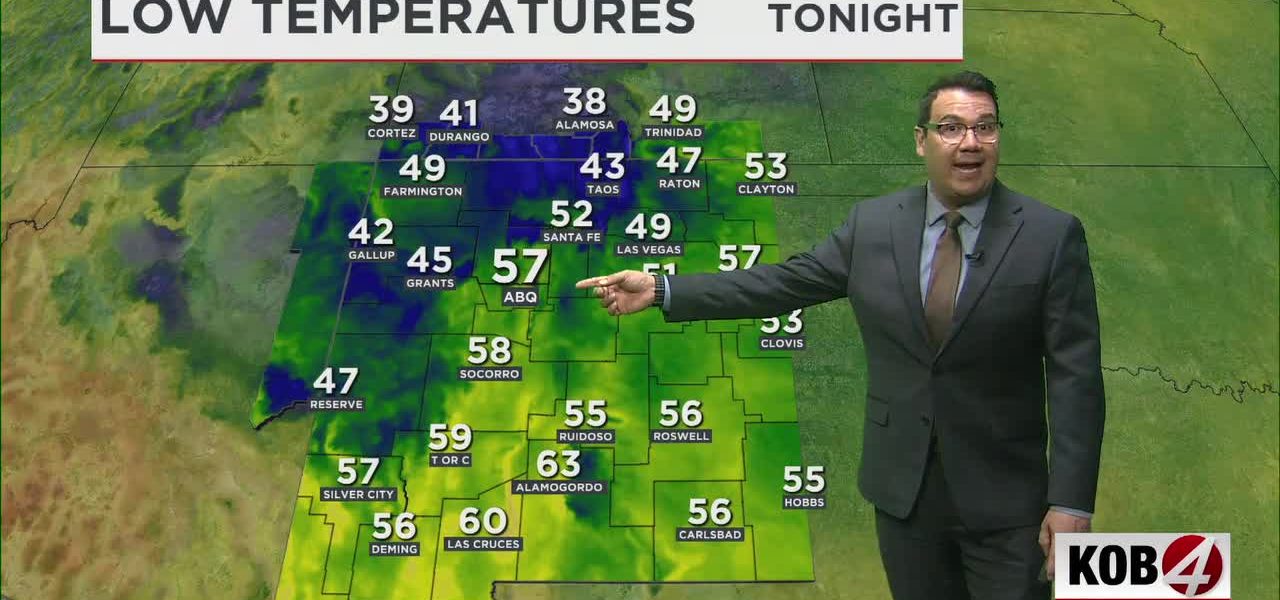
POLICY WIRE — ALBUQUERQUE, N.M. — It’s a strange sort of prophecy New Mexico’s getting this week. Not fire, not flood, not even a decent downpour, but something far more insidious: dry storms. Think gusty winds that kick up more dust than hope, lightning that strikes tinder-dry earth without a single drop of rain to douse the subsequent flame. Temperatures are set to cook, hitting 91 in Albuquerque, 98 in Roswell – close to old records, but these days, ‘record-breaking’ feels less like an anomaly and more like the grim, persistent hum of a new normal.
It’s a peculiar, almost theatrical weather event. The kind that suggests the land itself is throwing a tantrum, whipping up drama but refusing any real resolution. Because what you’re really seeing isn’t just a weather pattern; it’s a dress rehearsal for resource scarcity, a raw, undeniable signal echoing across other thirsty lands, from the American West to India’s searing plains.
And yes, those ‘high-based showers’ near Ruidoso or the Sacramento Mountains? They’re little more than hydrological teases. They promise much, deliver next to nothing, and sometimes, even worse, contribute to the kind of strong, erratic outflow winds that are more destructive than any refreshing deluge. It’s a cruel joke nature plays, especially when a strong upper high sits, obstinate as a politician avoiding tough questions, over neighboring Arizona, just baking the whole landscape.
The mercury won’t just rise; it’ll climb with a relentless, oppressive grip, making Tuesday an even hotter, meaner day. Farmington hits the low 90s, Carlsbad the mid-90s. Even Santa Fe, usually a sanctuary of sorts, will bake in the upper 80s. Folks around here, they know what this means for water. It isn’t good.
“We’ve got to confront these climate realities head-on. It’s not just about fire season anymore; it’s about reshaping our whole approach to land and water management for the long haul,” Governor Michelle Lujan Grisham told Policy Wire, her tone laced with an understandable urgency. She’s seen enough bad seasons. But these particular ‘ghost storms,’ with their lightning and wind but no mercy, present a unique kind of danger to a state already contending with a deepening aridity.
But this isn’t merely a local phenomenon. These patterns, these parched gusts, they’re not unique to New Mexico. They’re an ugly global trend. Look at Pakistan, for example. The Sindh province often grapples with extreme heat that pushes agricultural limits to breaking point, drying out river systems, threatening livelihoods in a manner not so dissimilar, structurally speaking, to what we’re seeing manifest here. Their infrastructure, their ancient irrigation systems—they’re all feeling the squeeze, much like ours.
📄 POLICY WIRE WHITEPAPER PUBLISHED: PAKISTAN'S NATIONAL SECURITY POLICY PRIORITIES
👉 READ BY CLICKING HERE“These dry-heat-with-wind patterns? They’re gut-punches,” opined Dr. Javier Rios, director of the Southwestern Water Conservancy Bureau, a public official who understands the numbers. “It’s not just a matter of discomfort. It’s about deep-rooted issues for our farmers, for our rapidly depleting reservoirs, and for our overall economic stability.” Indeed. The U.S. Drought Monitor, for instance, reported that as of last month, over 70% of New Mexico was experiencing moderate to severe drought conditions, a figure that paints a stark picture for water tables and agricultural forecasts.
What This Means
The seemingly innocuous phrase ‘dry storms’ masks a wicked political — and economic consequence. It signals an accelerating era of ‘climate volatility without visible payoff.’ States like New Mexico, and indeed entire nations in the Global South, especially across the Muslim world and South Asia, are finding themselves locked into cycles of increasingly erratic, but consistently destructive, weather. It’s less about a sudden catastrophe and more about relentless, incremental decline, each gust of hot wind eroding a little more resilience. The lack of effective rainfall, despite the spectacle of lightning, translates directly into agricultural strain, increased wildfire risk, and—perhaps most insidious of all—strained interstate or even international relations over dwindling water resources.
Economically, expect insurance premiums to climb. Public safety budgets will stretch thin managing fires. Agriculture, already on a knife’s edge, faces yet another existential threat, potentially driving up food prices and further exacerbating inflation. Politically, this plays out in increased demands for federal aid, contentious debates over water rights, and a constant, low-grade anxiety that, cumulatively, can corrode social cohesion. It’s not just a bad week for the weather; it’s a grim forecast for policy battles yet to come.